

Key Takeaways
Finding reliable components for your vehicle is easier when utilizing digital inventory tools tailored for the automotive salvage industry. Following these core principles helps ensure you secure parts that meet your exact specifications.
- Online catalogs provide instant visibility into current salvage stock levels.
- Verifying business credentials is the primary step in avoiding poor-quality components.
- Cross-referencing VIN and OEM numbers guarantees proper part fitment for your specific Toyota model.
- Understanding grading systems for used components prevents unexpected quality issues upon delivery.
- Establishing clear communication regarding shipping and return policies protects your financial investment.
Benefits of using an online parts catalog for Toyota parts
Transitioning to digital platforms for automotive sourcing has fundamentally shifted how local mechanics and vehicle owners handle repair projects. By moving away from manual database management, these systems centralize data into a searchable, user-friendly interface. This streamlined approach minimizes the need for extensive phone inquiries and manual site visits, creating a more professional sourcing experience for repair technicians and car owners alike.
Efficiency in part identification
Modern digital platforms allow users to locate specific components by inputting detailed vehicle data, which significantly cuts down on search time. Instead of cycling through manual files, the system parses thousands of entries in seconds to display relevant options. This speed is essential when trying to get a vehicle back on the road without unnecessary delays.
Real-time inventory tracking
Inventory databases are updated as soon as new salvage stock is processed, ensuring that the listing you see is accurate for that moment. This dynamic update cycle prevents the frustration of ordering items that have already been sold. Users can trust that if the system shows a part as available, it is likely on the shelf at that moment.
Reduced wait times at physical salvage yards
By confirming part availability online before departing, you eliminate the need to visit multiple yards in person to check stock status. This preparation allows staff at the facility to have your order ready for collection upon arrival. You spend less time navigating the yard and more time focused on the Actual mechanical repair work.
Access to inventory across regional wrecking networks
Many online systems connect disparate salvage facilities into a singular, integrated regional catalog. This broad reach allows you to source rare components that might not be available at your closest neighborhood yard. It creates a vast virtual shelf that serves the entire Sydney area and beyond.
Identifying reputable Toyota wreckers in Sydney
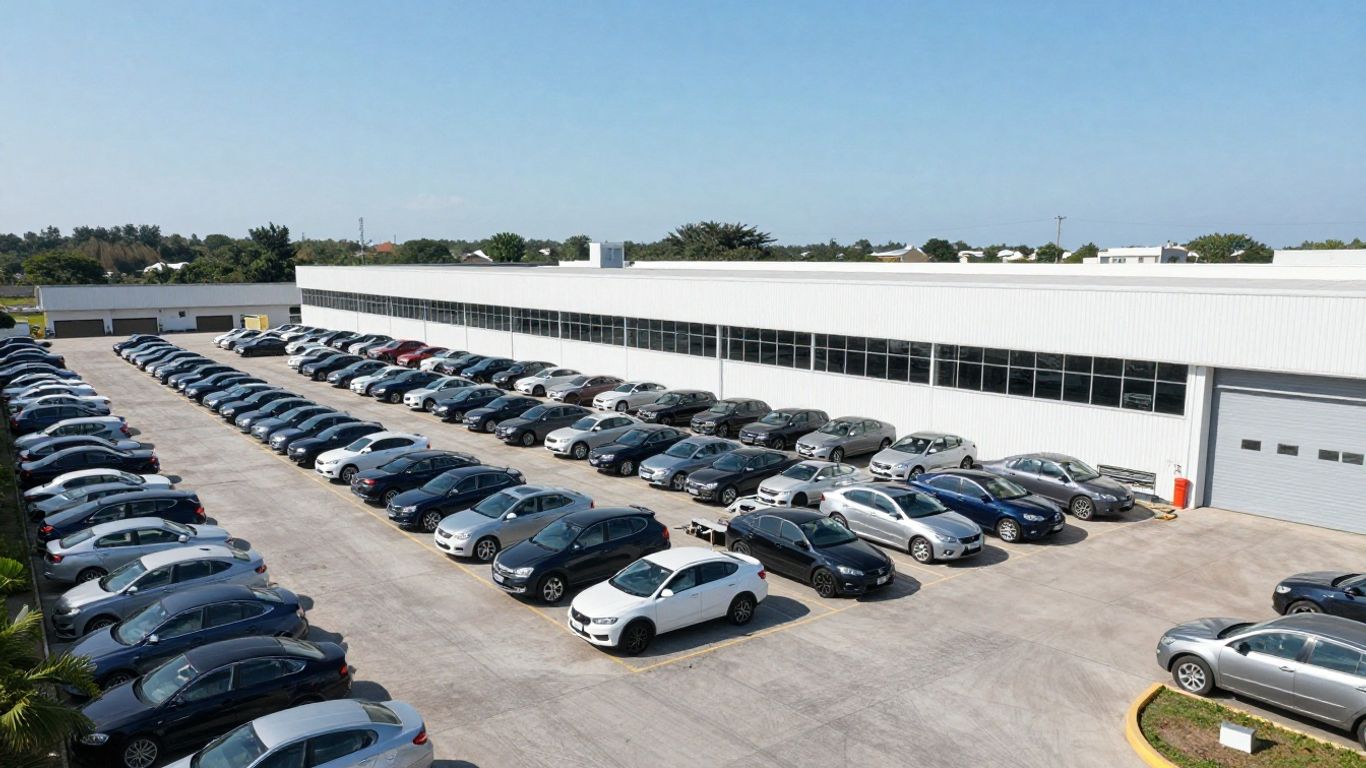
Selecting a trusted supplier is paramount when you are dealing with used components that impact vehicle performance and safety. A reputable company should display transparency in both their operational standards and the quality of their salvage inventory. You should prioritize businesses that invest in professional facilities and maintain an organized, service-oriented culture.
Checking business licensing and industry certification
Legitimate operations follow strictly mandated guidelines for environmental waste disposal and component handling. Asking for their current business registration or industry membership details can provide peace of mind that you are dealing with a company that performs its work legally and responsibly.
Evaluating local customer reviews and feedback
Publicly available feedback from other customers often provides the most accurate view of a company’s day-to-day reliability. Look for patterns in how the business handles inquiries, manages delivery timelines, and addresses concerns regarding part quality. Consistent positive accounts regarding clear communication are usually a reliable indicator of a professional supplier.
Assessing the breadth of Toyota models serviced
Some wreckers specialize exclusively in certain Toyota production lines, which often leads to deeper technical knowledge regarding specific engines or transmission components. Confirming that a provider frequently handles your particular model, year, and trim level ensures they are familiar with the mechanical nuances of your car.
Transparency in part pricing and company warranty policies
Clear communication regarding the cost of components and the associated guarantee period is a hallmark of a professional operation. A trustworthy business will document their return policy and warranty on the invoice, removing any ambiguity about what happens if a part fails shortly after installation.
How to navigate online search systems for auto parts
Successfully finding the right piece of hardware requires a systematic approach to how you perform your digital queries. By focusing on specific identifiers rather than generic search terms, you narrow down the vast inventory to only the most relevant results. This methodology prevents confusion and increases the likelihood of a successful purchase on the first attempt.
Utilizing OEM part numbers for accurate matching
Every original component is stamped with a unique OEM identifier that acts as the source of truth for compatibility. Using this exact alphanumeric code in the search bar bypasses the need for guesswork regarding fitment against your current damaged piece. Always look for this number physically on your old part before beginning your search.
Filtering inventory by model, year, and trim level
Broad searches often generate an overwhelming list of incompatible items, which is why utilizing category filters is vital to the process. Narrowing your search by specific production windows ensures that variations in engineering, such as mid-cycle interior or electronic changes, are accounted for during the results phase.
Understanding part condition grading systems
Salvage yards often use specific classifications to describe the physical wear and functionality of a used item. Understanding these internal grades is necessary for setting your expectations correctly regarding the cosmetic or functional state of the component.
Part grading remains subjective across different suppliers so clarify the meaning of A and B grade status before finalizing your purchase to ensure the item meets your requirements for vehicle restoration or standard repairs.
Always ask the supplier to define their specific terminology so you maintain a clear understanding of the component quality.
Creating user accounts to manage order history
Registering for an account on the vendor’s website allows you to keep track of your inquiries, quotes, and confirmed orders in one centralized location. This saves significant time if you need to reorder parts later for ongoing maintenance or reference previous correspondence during a delivery dispute.
Verifying part quality and compatibility for your Toyota
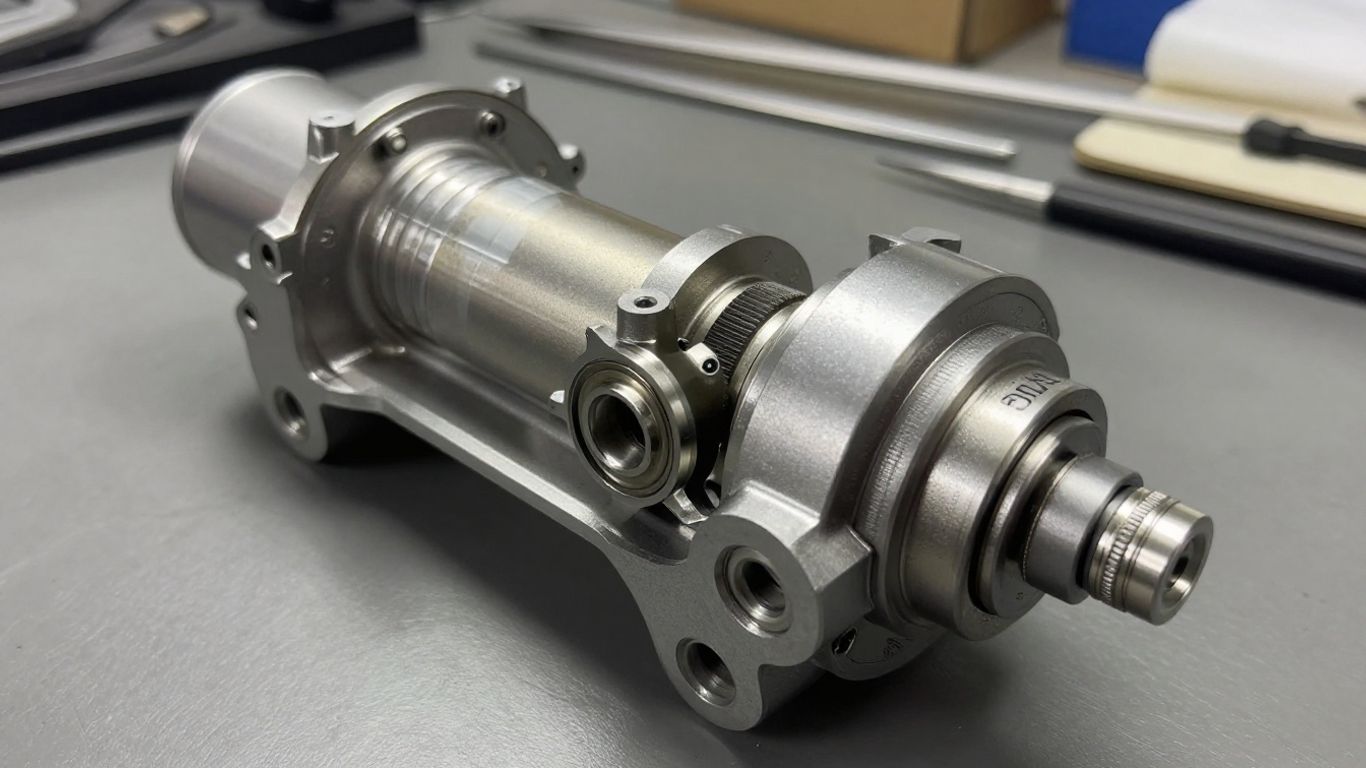
Once you have located a potential candidate, the next phase involves confirming its suitability for your specific repair task. This stage requires a cautious eye, as details that are invisible in generic descriptions can define whether a part fits seamlessly or requires modifications. Being thorough in your verification protects you from wasted time and potential safety hazards.
Matching VIN numbers to ensure perfect fitment
Your vehicle identification number provides the most granular level of detail regarding exactly how your Toyota was built in the factory. Providing this number to the wrecker allows them to cross-reference the part against your exact original equipment specifications. This step is the most effective preventative measure against ordering an item that is technically similar but structurally incompatible.
Analyzing high-resolution photos of salvage components
High-quality imagery is an essential substitute for a physical inspection when shopping for used hardware. Look for images that capture the part from multiple angles to identify potential cracks, rust, or missing mounting tabs. If the listing lacks sufficient visual detail, do not hesitate to ask for more images before entering your payment details.
Clarifying return policies for specific part categories
Different types of components, especially delicate electronic modules or ignition systems, often carry distinct terms for returns. Some vendors may have strict "as-is" rules for electrical items that are entirely different from their policies on mechanical body panels. Confirming these terms on a per-category basis saves you from unpleasant surprises during the installation process.
Distinguishing between aftermarket and original equipment manufacturer components
Knowing the origin of the part helps inform your decision on quality and price. Use a structured process to evaluate the source of the item based on the supplier’s listing documentation.
| Part Source | Quality Expectation | Typical Application |
|---|---|---|
| Original Equipment | Factory standard | Critical engine and safety components |
| Certified Aftermarket | Meets specs | Body panels and non-essential trim |
| Generic Replacement | Cost-effective | Minor interior clips or fixings |
Selecting the correct source type for your repair keeps your vehicle reliable and consistent with its original engineering standards.
Logistics and delivery options for Sydney-based wreckers
Once a purchase has been finalized, the physical exchange of the component becomes the priority. Understanding the various logistics methods available can help you decide if it is more economical to pick up the item or to have it delivered directly to your workshop. Sydney’s geography and traffic patterns often play a role in which delivery decision makes the most sense.
Same-day local pickup versus courier delivery
Local collection is often the fastest route for urgent repairs, allowing you to bypass shipping queues entirely. However, for items that are smaller or non-urgent, courier services offer a clear advantage in convenience. Weigh the value of your time spent driving against the nominal fee associated with professional delivery direct to your door.
Managing shipping constraints based on part size
Bulky items such as hoods, bumpers, or complete transmissions require specific logistical arrangements that smaller parts do not. Always check with the seller about their capability to handle oversized freight, as special crating or pallet services might be necessary. Failure to clarify this upfront can lead to unexpected delays at the local destination depot.
Packaging standards for fragile electronic components
Sensitive control units and sensor arrays require specialized handling beyond standard shipping boxes. Reputable wreckers should ensure these items are shielded from electromagnetic interference and physical impacts during transit. If you are ordering such parts, feel free to inquire about their specific packaging methods to guarantee the item arrives functional.
Calculating accurate turnaround times for Sydney metro delivery
Local metropolitan delivery services in Sydney typically offer faster windows than regional couriers, though conditions can vary. Obtaining a tracking number allows you to monitor the progress of your part from the yard to your specific location. Planning your labor schedule around these estimates ensures you have the necessary items ready when the work on the vehicle begins.
Cost-saving tips when buying used Toyota parts
Smart shopping within the salvage sector does not mean sacrificing quality; it means working efficiently with the market. Developing a strategy for how you acquire these components can lead to significant savings over the long term. Many wreckers value consistent business and are willing to work with buyers who understand the process.
Bundling multiple components to negotiate shipping costs
Consolidating your needs into a single order often allows the dealer to utilize more efficient shipping configurations. This approach might entitle you to combined shipping rates, as the wrecker simplifies their logistics for one larger delivery. It is a win-win for both parties when you plan your list before initiating the communication.
Monitoring seasonal clearance sections in online catalogs
Many suppliers manage their inventory by clearing out specific stock periodically throughout the year. Keeping an eye on these sections can lead to discovering deep discounts on parts that might not be in high demand but remain in perfect condition. It is a simple way to stretch your repair budget further when working on preventative maintenance.
Leveraging wholesale status for frequent workshop buyers
If you find yourself purchasing parts regularly, you may qualify for business or wholesale pricing structures. Establishing a professional ongoing relationship with a reliable wrecker often results in better rates or priority access to incoming inventory. Consistency in your purchasing patterns can transform your interaction with salvage providers into a valuable commercial partnership.
Comparing competitive price points across different wrecking providers
While price is an important variable, it should always be viewed in the context of warranty and component condition. A slightly higher price for a better-graded part often represents much better long-term value than a bottom-tier price for an inferior item. Always weigh the total cost of the part alongside the level of service and documentation provided by the seller.
Conclusion
Taking advantage of specialized digital inventories for automotive parts simplifies your search for affordable, quality components significantly. By methodically verifying the legitimacy of your suppliers and confirming part compatibility through VIN and OEM references, you ensure that your investment in salvage materials delivers reliable performance for your vehicle. Applying these careful selection and logistics strategies will help you maintain your car’s standards while managing costs effectively throughout the entire repair process.