
Key Takeaways
Navigating the process of sourcing automotive parts from salvage yards can save owners significant time and money when maintained properly. These five points highlight how to approach the local scrap market effectively for your vehicle needs.
- Toyota Prado wreckers in Toowoomba provide affordable alternatives to buying brand-new dealership components.
- Proper inspection ensures that wear and fatigue from salvaged parts do not impact your vehicle’s performance.
- Selecting a reputable facility with established industry standards offers better peace of mind through warranties.
- Matching exact model codes is critical for ensuring that salvaged parts integrate with your specific Prado build.
- Safety and preparation remain the most important aspects for anyone visiting a physical wrecking yard to perform extractions.
Understanding the benefits of using Toyota Prado wreckers in Toowoomba
Finding the right spare parts for a rugged 4×4 often leads owners toward local salvage yards. These facilities act as vital hubs for component recovery, allowing vehicle enthusiasts to maintain their machines efficiently. By choosing this route, you can often secure original manufacturer equipment at a fraction of the cost found at authorized dealerships.
Cost-effectiveness compared to dealership prices
When maintenance budgets are tight, opting for used components provides immediate financial relief. Brand-new items often carry high retail markups that reflect packaging and overhead rather than just the metal itself, whereas salvage options provide the same utility without the premium price tag. For common repairs, this smart purchasing strategy often makes the difference between keeping a vehicle on the road and letting it sit idle.
Availability of discontinued or hard-to-find components
As vehicle generations evolve, manufacturers eventually stop producing specific trim levels or minor mechanical fittings. Specialized wreckers often maintain inventories of older models that are no longer supported by modern parts departments. This access ensures that owners of older rigs can still source genuine fittings instead of settling for inferior universal substitutes.
Supporting local circular economy and sustainability
Every time a part is successfully reused, it reduces the demand for new resource extraction and energy-intensive manufacturing processes. Repurposing these components keeps functional steel and aluminum out of landfills while supporting the local Toowoomba economy. This approach promotes a sustainable cycle that keeps older, well-engineered vehicles fully operational for much longer.
How to verify the quality of second hand parts
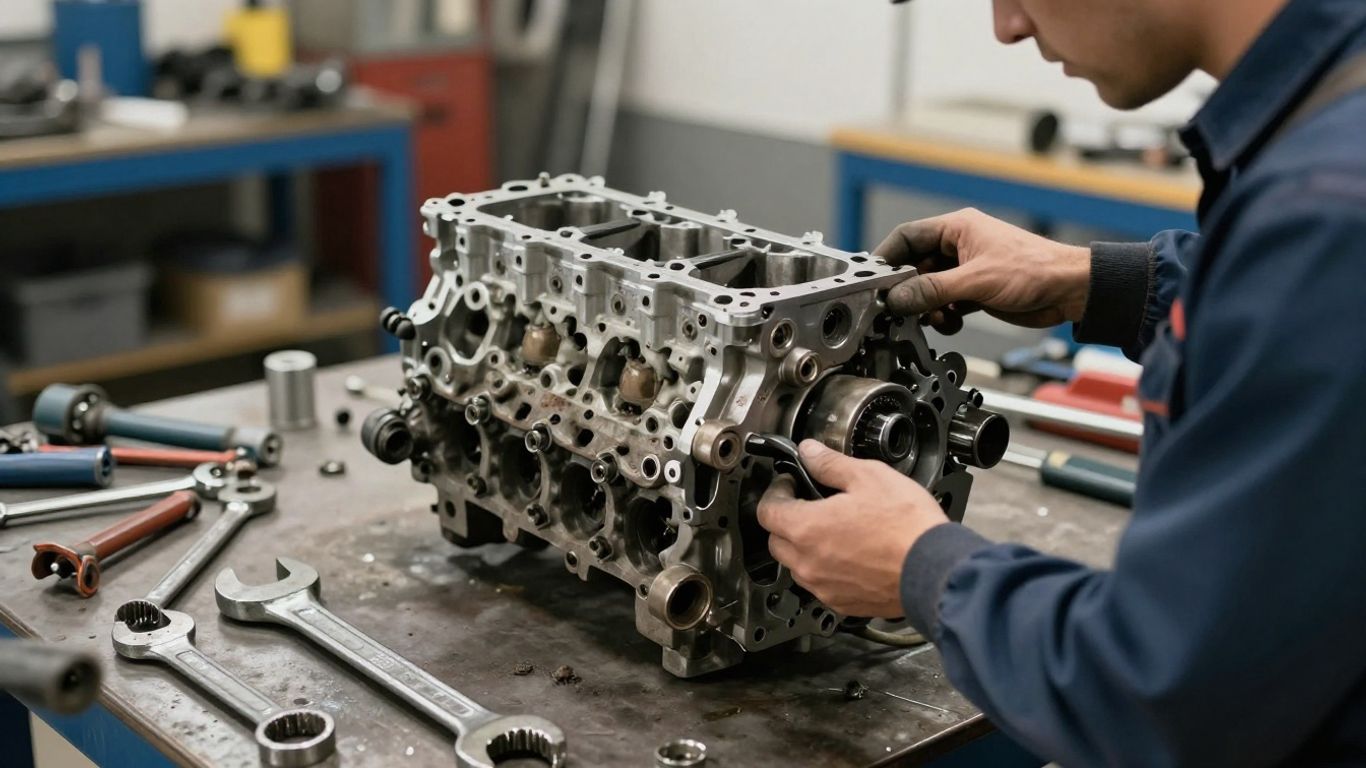
Visual assessment is the first step in determining whether a salvaged component will hold up under daily stress. It is crucial to look past the surface dust to see if the metal structure shows signs of past failure or extreme environmental degradation. Taking the time to observe these details prevents wasted labor during installation.
Inspecting for mechanical wear and fatigue
When examining a component, look for signs of excessive metal deformation or irregular abrasion patterns that indicate past misuse. Mechanical parts, such as steering knuckles or suspension arms, should feel solid without any play in the joints that could point to internal decay. If a piece looks like it has been through an intense collision, it is usually safer to find an alternative.
Checking testing documentation or wrecking logs
Reputable facilities often keep detailed logs of when a vehicle entered the yard and what initial tests were performed on major assemblies. These logs serve as a record of condition, helping you distinguish between a mid-mileage engine and one that has surpassed its design life. Reviewing these records provides a clearer picture of the component’s history than a simple visual glance.
Identifying genuine Toyota parts versus aftermarket alternatives
Toyota manufactures components designed for specific tolerance levels, and finding these original pieces ensures better compatibility across the Prado range. If you find a component with the appropriate serial number stamped into the metal, it is likely the factory original item. Identifying these markings allows you to filter out generic aftermarket alternatives that might not live up to the original specification expectations.
Assessing the reliability of Toowoomba dismantlers
Choosing the right yard requires looking beyond the sheer size of their inventory. Reliability is built on how the business manages its stock, treats its customers, and stands behind the hardware they sell. By vetting the facility first, you ensure a smoother experience from the moment you call for a quote to the completion of your repair.
Evaluating customer reviews and online reputation
Looking at digital feedback helps gauge whether the shop is known for honesty and fair dealing. While no business is perfect, a pattern of helpful staff and transparency regarding stock often points toward a reliable operation. Checking if they communicate openly about potential defects or part conditions allows you to set realistic expectations before you make the trip.
Verifying business accreditation and industry standards
Professional dismantlers usually align themselves with industry associations that set guidelines for recycling and hazardous material handling. This status is not just a badge; it demonstrates a commitment to following standardized legal and environmental procedures. Ensuring the business follows these frameworks protects you as the consumer and ensures that parts are handled with care.
Understanding return policies and warranty coverage
| Feature Type | Standard Practice | Benefit to Owner |
|---|---|---|
| Warranty Period | ||
| 30 to 90 Days | ||
| Confidence in operation | ||
| Return Window | ||
| 14 Day Limit | ||
| Adequate time for testing | ||
| Restocking Fees | ||
| Variable 10-25% | ||
| Covers operational labor |
Clear policies act as a safety net for professional installers and hobbyists alike. When a business outlines exactly what is covered in the event a part does not function correctly, it removes the guesswork from your purchase. Always confirm these details on your invoice, as written agreements provide the protection needed for any mechanical repair.
Searching for specific Prado generations and models
Efficiency in the yards depends heavily on how well you can pinpoint the unique model codes associated with your specific vehicle. Since different years may use variations in sensors or chassis mounting points, matching the exact generation is the most vital step in the process. Having your vehicle identification number ready can save significant time when checking inventory.
Navigating model codes for compatibility accuracy
Toyota relies on distinct chassis codes to define exactly which electrical and mechanical systems are integrated into each edition of the Prado. Knowing whether you need parts for a J90 or a J150 generation ensures that mounting brackets and plugs will align correctly. Relying on these codes is far more effective than just searching by the production year alone.
Cross-referencing part numbers with Toyota catalogs
Even within the same generation, different trim levels might require specific variations of a component like a cooling fan or an alternator. Before heading out, try to locate the specific part number found directly on your old unit. Cross-referencing this digit with factory catalogs ensures that the replacement will function exactly as intended without modifications.
Sourcing engines and transmissions versus body panels
Big-ticket items like engines and transmissions require careful vetting to ensure their internal health is suitable for installation. Consider the following approach to sourcing these heavier components:
Focusing on items with low documented mileage or verified donor histories usually results in better long-term reliability for your powertrain. By prioritizing parts with clean maintenance logs, you avoid the risks associated with units that have sat outdoors for extended periods without protection.
Body panels, meanwhile, are primarily assessed for structural integrity and paint matching. While mechanical parts require a deep dive into logs, body items offer a more visual, straightforward selection process.
Tips for a successful visit to a wrecking yard
Walking into a large-scale salvage operation can be overwhelming if you arrive unprepared. The environment is designed for active dismantling, which means having the right gear and a clear plan is essential for finding what you need effectively. Approaching the yard with a professional demeanor helps staff assist you faster.
Preparing an essential tool kit for part removal
Most yards expect you to be ready to extract components yourself if the part is not pre-pulled. Bringing a comprehensive set of metric sockets, wrenches, and pry bars is vital for dealing with rusted bolts and tight spaces. A portable battery light is also indispensable for seeing into dark engine bays or underneath deep chassis points safely.
Communicating clearly about specific salvage requirements
When you greet the front counter team, be as specific as possible about the part you need and the model of your vehicle. Describing exactly where the part sits or why it failed helps them narrow down which sections of the yard hold the best candidates. If you have any hesitation about the part’s condition, asking for help often results in a more thorough check.
Safety protocols when navigating salvage yard environments
Salvage environments contain uneven surfaces, fluid spills, and hanging metal that can pose risks to the unprepared. Wearing closed-toe boots and durable clothing is the baseline for staying safe while walking through rows of vehicles. Always pause to check your surroundings before maneuvering under a vehicle, as stability in a yard is never guaranteed compared to a flat workshop floor.
Installation best practices for reclaimed components
Bringing a component home is only half the battle, as the installation phase requires just as much care as the extraction. Whether you are performing the work in your garage or having a shop do the heavy lifting, following a structured process helps ensure the part integrates into your vehicle seamlessly. Never rush the connection of electrical harnesses or the securing of mounting brackets.
Professional installation versus DIY implementation considerations
Deciding who manages the installation often comes down to the complexity of the part and your own experience levels. Simple body parts like handles or mirrors are well-suited for a standard weekend project, but major mechanical upgrades usually benefit from the expertise of a technician. A professional shop can properly torque fasteners and verify system integration, which protects the longevity of your investment.
Necessary safety checks before full vehicle integration
Before taking your vehicle out for a test drive, perform a comprehensive inspection of every bolt replaced during the process. Verify that all electrical plugs are seated until you feel a firm click, which ensures clean communication between sensors and the central control unit. A final walk-through scan of the engine bay prevents simple mistakes like leftover tools or loose wiring from causing issues at speed.
Fluid and component maintenance requirements post-installation
Used parts, especially those related to cooling or lubrication, should receive fresh fluids immediately upon installation. For instance, putting a salvaged radiator into an engine that has fresh coolant ensures that you are starting with a clean, efficient system. Following up with a standard maintenance schedule keeps the new-to-you component performing within its rated parameters for years to come.
Conclusion
Finding quality components for your vehicle is a rewarding process that combines practical skills with a dedication to sustainable vehicle ownership. While it requires patience and a careful eye for detail, the ability to source reliable parts from wreckers allows you to keep your rig running efficiently for a much longer lifespan. By prioritizing reputable sources, accurate model matching, and thorough installation habits, you ensure that every repair you make adds value and performance to your daily drive.