

Key Takeaways
Finding affordable, quality components for your vehicle requires a mix of research and technical oversight, especially when seeking reliable local sources. By prioritizing authenticity and proper inspection, you can keep your car running smoothly without overspending on brand new inventory.
- Understanding the difference between OEM and aftermarket is essential for long-term vehicle health.
- Always verify that your chosen wrecker maintains current industry certifications to ensure their recovery process follows safety standards.
- Visual inspection and checking part number compatibility are the most critical steps before finalizing any purchase agreement.
- Balancing cost savings against the risk of high-wear parts allows for smarter financial decisions during repairs.
- Never overlook warranty terms, as they are your primary protection if a component fails shortly after installation.
Understanding the benefits of genuine Toyota parts
Choosing the right components for your car is a balancing act between budget concerns and long-term functional stability. Genuine OEM parts, or Toyota Genuine Parts, are engineered to integrate seamlessly into your specific model, ensuring that every mount and connection fits perfectly the first time. Relying on authentic components often eliminates the headaches that come with poorly fitting aftermarket alternatives.
Why OEM specifications matter for vehicle performance
When original equipment manufacturer specifications are strictly met, your vehicle maintains the precise handling and engine response it had the day it left the assembly line. These parts are constructed from the exact materials required to handle the thermal and mechanical stresses specific to your model. Using components that meet these standards helps protect the integrity of the surrounding mechanical systems, preventing premature wear on related parts and keeping your ride smooth and responsive.
Longevity and reliability compared to aftermarket clones
Aftermarket replicas often fail to replicate the rigorous testing that goes into standard vehicle parts. While they might appear identical at a glance, the metallurgical quality and fatigue resistance often fall short, leading to shorter service intervals and unexpected failures. By opting for parts that were originally engineered for your chassis, you guarantee superior structural durability over the lifespan of your vehicle.
Maintaining your vehicle’s long-term resale value
Future buyers are often very savvy regarding the history of a vehicle’s maintenance and repair work. Disclosing that you have consistently utilized standard components throughout the life of your car can significantly bolster its market appeal and resale valuation. Prospective owners feel more secure knowing the car has been kept in its intended factory-aligned configuration, free from the risks associated with unauthorized generic components.
Identifying reputable wreckers in Blacktown, Sydney
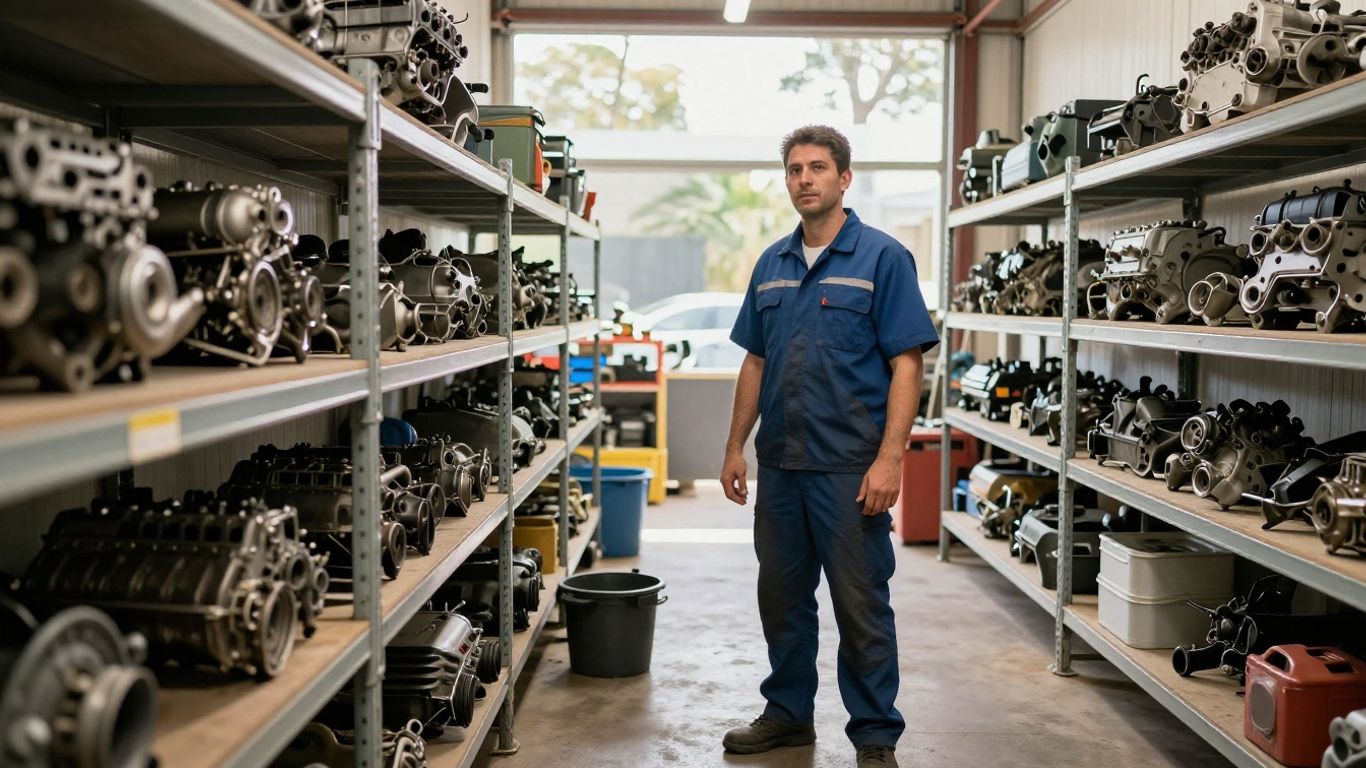
Finding a reliable source for your spare parts starts with identifying wreckers that operate with transparency and clear ethical standards. The local area in and around Blacktown hosts several specialists that handle vehicles with care and professional expertise. Toyota Wreckers Blacktown, for instance, provides unrivaled vehicle disposal services that focus on sustainable recycling practices, making them a point of reference for those looking to source parts ethically within the Sydney region.
Vetting service providers for industry certifications
A reputable business will usually have clear signage or documentation regarding their environmental and safety certifications. These badges indicate that the yard follows legal mandates concerning fluid disposal and material management. Always inquire about their certification status to confirm they aren’t just a basic scrapyard, but a professional entity that adheres to modern recycling laws.
Checking customer feedback and local shop reputation
Before you set foot on-site, spend time reviewing how previous customers have interacted with the facility. Consistent mentions of poor communication or faulty parts should serve as a warning sign. Look for shops that maintain high ratings for consistent helpfulness and accuracy, as a dealer’s reputation is often tied directly to the quality of the parts they choose to stock.
Evaluating physical access and regional inventory availability
Accessibility is not just about the distance from your home; it’s about how efficiently their inventory is managed and organized for customers to view or collect parts. The following table highlights common factors to look for when assessing a facility’s logistical capabilities regarding inventory management and customer service.
| Assessment Category | High Service Standard | Red Flag Indicator |
|---|---|---|
| Inventory Digitization | Automated database search | Manual paper logs |
| Part Retrieval Time | Same-day or next-day | Indefinite waiting periods |
| Inspection Access | Dedicated clean area | Restricted yard area |
By evaluating these metrics, you can quickly differentiate between a high-efficiency salvage operation and a chaotic, low-quality storage yard. Focus on facilities that demonstrate a clear, logical system for cataloging and securing their stock, ensuring you won’t be left wandering aimlessly in search of a specific bracket or engine component.
Inspecting second-hand parts for quality assurance
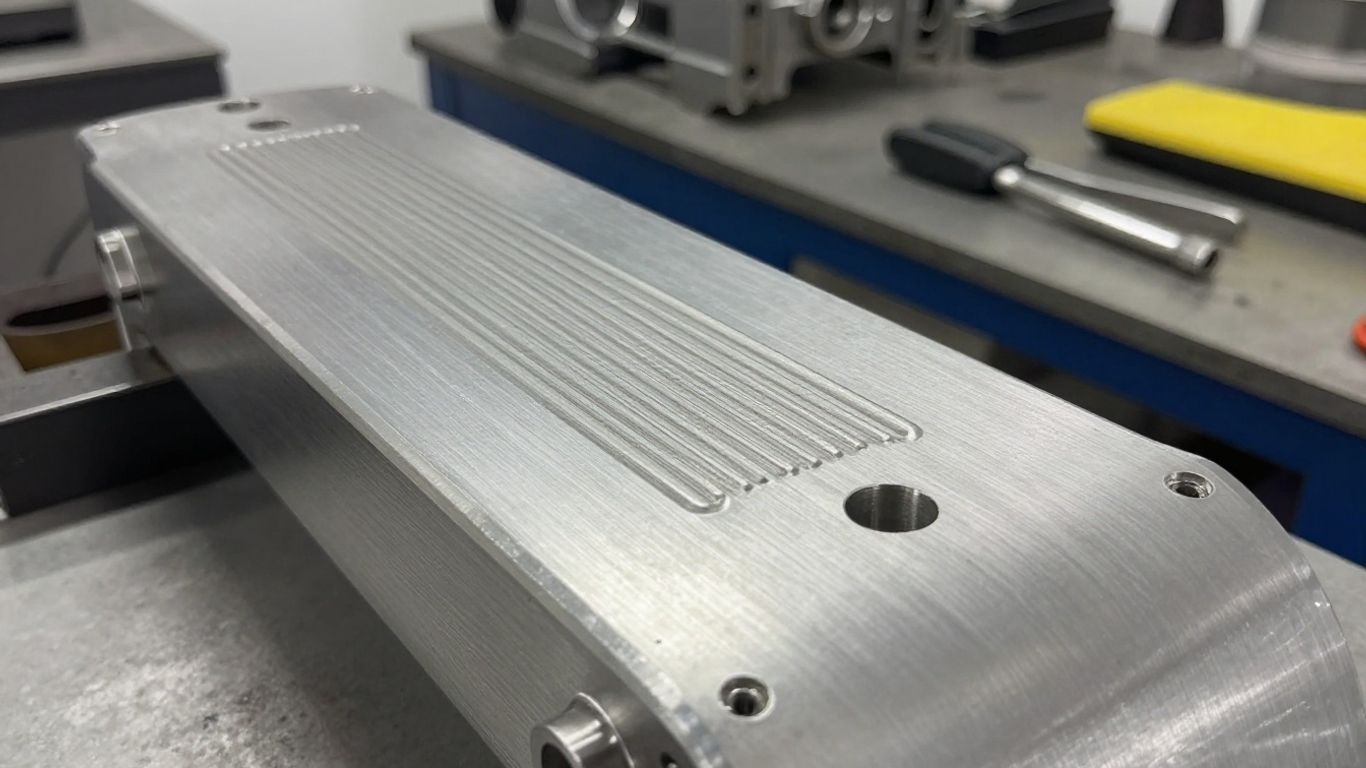
Once you reach the yard, your physical assessment of the part is the final barrier against ending up with a lemon. Always bring a flashlight and basic tools if allowed, because looking at an object from multiple angles often reveals cracks or corrosion hidden by grime. Remember that a visual assessment is your primary way to confirm the condition of the metal or housing before any money changes hands.
What to look for during a physical visual inspection
Always check for signs of impact damage or unusual discolorations that suggest the component was salvaged from a major accident or an overheating engine. Cracks in plastic housings or deep scoring on metallic surfaces are clear indications that the part may not survive long under normal operating loads. Move the part through its full range of motion to ensure there is no abnormal grinding or excessive play in the joints.
Interpreting part numbers and manufacturing date codes
Every legitimate part carries a stamp or tag that identifies its specific revision and origin. Learning to read these codes—which often include a date of manufacture—helps you avoid parts that are too old to be reliable or that belong to a different model year cycle.
Precise manufacturing markings ensure that the replacement you choose aligns perfectly with your current vehicle architecture without requiring any dangerous manual modifications or custom fabrication work to fit.
Understanding these identifiers prevents costly mistakes and ensures you don’t spend hours trying to install an incompatible unit simply because it fits physically into the same engine bay space.
Testing mechanical components before concluding the purchase
Whenever possible, ask for a brief overview of how the component was tested after retrieval from the donor vehicle. Reputable shops will often perform a basic bench test for electrical parts or check for compression on engine internals. Confirming these steps have been taken gives you a baseline level of assurance that the part will function correctly once installed in your vehicle.
Balancing cost and quality when buying used
Calculating the true value of a used part requires looking past the immediate price tag. While it might be tempting to pick the cheapest item available, the long-term utility of a component is more important than immediate savings if it requires frequent replacement. Always perform your calculations based on the total cost of ownership rather than just the initial procurement price.
Comparing scrap yard prices against new dealer quotes
Begin by obtaining a baseline price for a brand-new component from a dealer so you have a realistic anchor point for your negotiations. If a used part is priced at nearly the same cost as a new equivalent, you are almost always better off choosing the new component and starting with a clean slate. Only look at used options when the savings meaningfully offset the uncertainty of the part’s history.
Assessing the risk-versus-reward of high-wear components
Certain items, such as timing belts, water pumps, or worn alternator brushes, should rarely be purchased used regardless of how cheap they are. The energy and cost required to perform a swap often exceed the price savings if the part is already nearing its operational expiration date. Reserve used-part shopping for structural or engine-casing components that have minimal moving parts or wear surfaces.
Negotiating fair prices based on current local market supply
Market supply of specific salvaged models fluctuates, and knowing these trends can give you leverage. If you identify that a particular model is abundant at local yards, you have more room to argue for a better deal. Use polite, informed communication to let the seller understand you know the current market value of common used components in Sydney.
Understanding warranties and return policies
Establishing the terms of your purchase before you leave the shop is crucial for your peace of mind. Even the best-inspected parts can occasionally fail, and having a documented warranty provides a necessary buffer. Always confirm whether the agreement is written or oral, and push for a printed receipt that includes all standard protection terms.
Distinguishing between money-back guarantees and store credits
Most salvage yards will prefer to issue a store credit rather than a full cash refund. Understand that this policy is standard in the industry, but also be aware that a credit is only as valuable as the future inventory that business will carry. If you don’t frequent the shop often, a credit might be of limited utility compared to a clear money-back guarantee.
Key conditions that can invalidate a used part warranty
Installing a part incorrectly or using it in a way that violates the manufacturer’s suggested use is a common reason for a denied warranty claim. Avoid dismantling the part yourself if it came sealed, as opening the case usually voids any return rights immediately. Keep records of your installation process, including photos, to prove the part was treated with care during the setup stage.
Essential documentation required for processing a successful return
Always maintain a copy of the original invoice and the specific ID tags provided by the seller. These are the most common pieces of evidence required should you need to demonstrate that the part being returned is indeed the one they supplied to you. Without this paperwork, most shops will refuse claims, leaving you with no way to recuperate your investment.
Conclusion
Navigating the world of second-hand car parts in Blacktown is a simple process once you understand how to vet your suppliers and inspect every item thoroughly. By focusing on genuine Toyota parts and maintaining a sharp eye on physical condition, you secure a cost-effective path to vehicle maintenance that protects your investment long-term.