
Key Takeaways
Understanding how to navigate vehicle salvage helps owners maximize value when disposing of an older or damaged car. This guide explores the essential steps for recycling, valuation, and preparation.
- Professional wreckers provide an environmentally responsible method for disposing of end-of-life vehicles.
- Vehicle valuations are determined by condition, salvageable parts, and model-specific market demand.
- Proper site preparation ensures that removal teams can safely access and tow the asset.
- Sourcing reclaimed mechanical components offers cost savings for vehicle maintenance and repair tasks.
- Choosing a licensed facility ensures that all documentation and legal transfers are handled correctly.
The benefits of choosing local Toyota wreckers in Dandenong
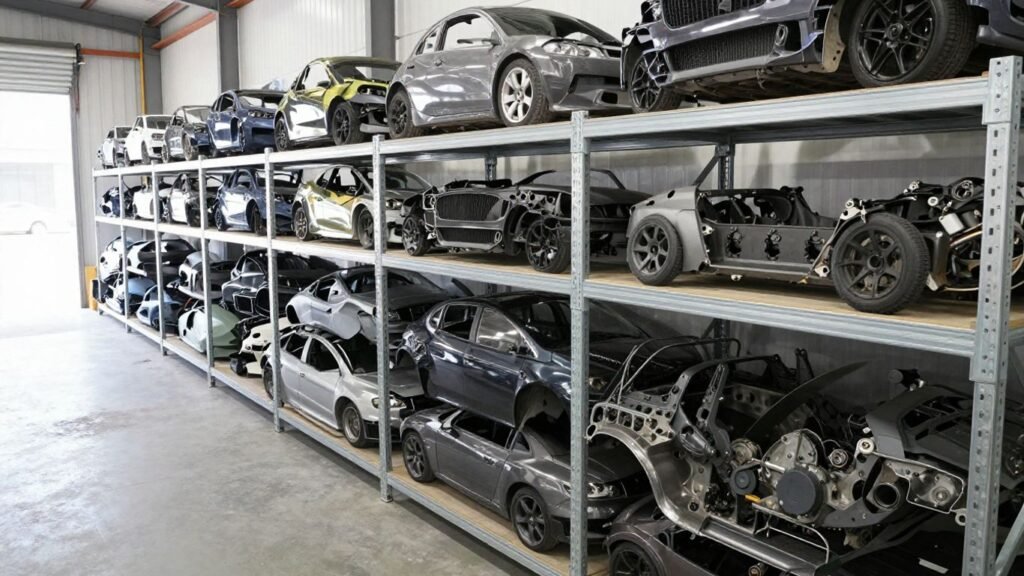
Selecting a local service for vehicle disposal provides significant advantages for car owners looking for efficiency and convenience. These organizations specialize in managing the entire cycle of a vehicle, from initial assessment to final dismantling. By focusing on regional solutions, residents ensure their needs are met with prompt, tailored support rather than dealing with distant or automated entities.
Environmental impact of professional recycling
Extracting scrap metal and safely managing hazardous fluids prevents toxins from entering local ecosystems. Professional facilities isolate steel, aluminum, and copper to redirect them for industrial reuse, reducing the demand for raw material extraction. This systematic approach ensures that even vehicles past their functional peak contribute positively to the circular economy.
Streamlined paperwork and legal compliance
Transferring ownership requires specific documentation to ensure the seller is no longer liable for the vehicle. Local services manage the transfer of title and registration cancellation protocols, minimizing the risk of administrative errors. This level of professional oversight guarantees that the transaction adheres to current regional regulations regarding automotive salvage.
Avoiding the hassle of private sales
Listing a damaged or non-running vehicle for private sale often results in unresponsive buyers and endless communication. Opting for a professional salvage service eliminates the need for advertising, test drives, and price negotiations altogether. Sellers avoid the stress of meeting strangers at their property, effectively saving significant time and effort during the disposal process.
Immediate cash payment offers
Professional wreckers provide instant compensation for vehicles based on the metal content and salvageable components. This reliable model ensures that money is delivered upon collection, removing the uncertainty associated with third-party payment platforms. Because these companies handle their own logistics, they can often provide superior liquidity compared to traditional scrap yards.
How the vehicle evaluation process works for all models
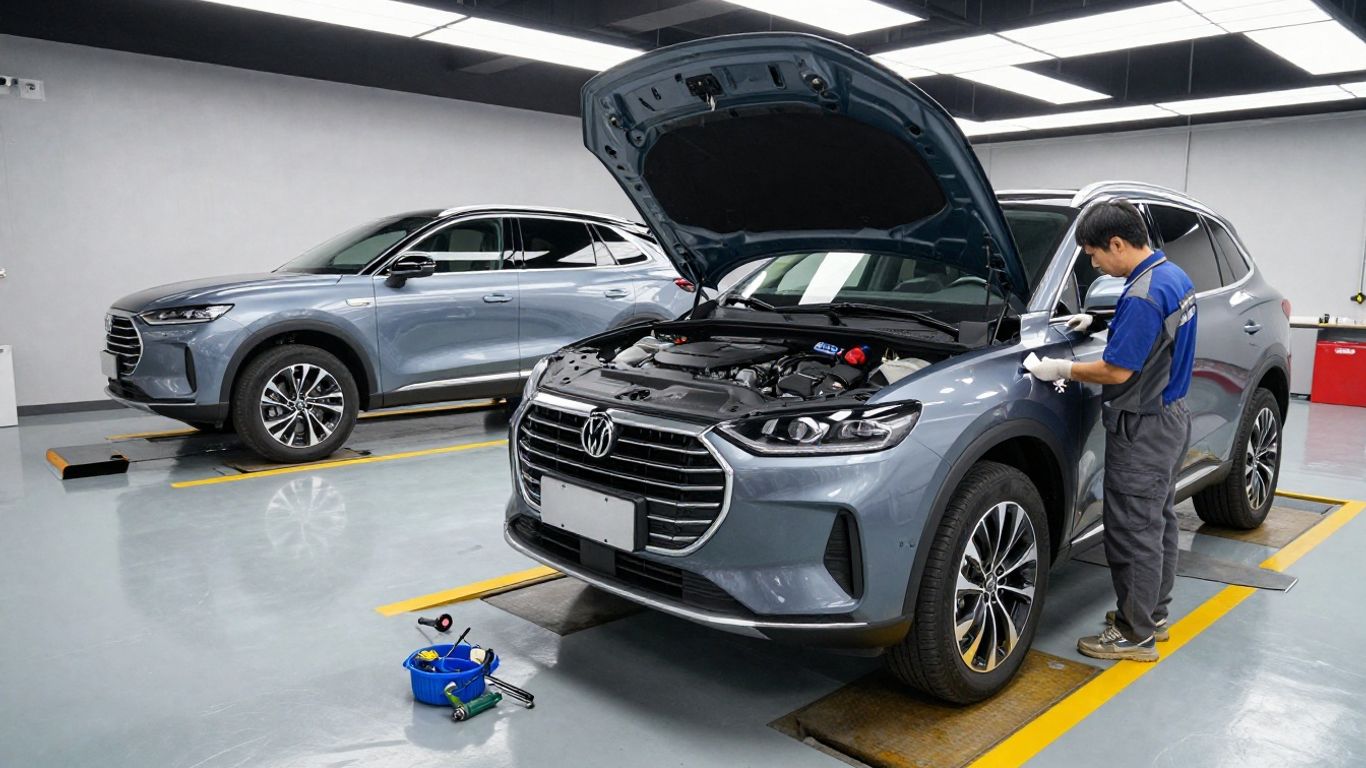
Vehicle evaluation is a highly nuanced process that requires expertise in automotive mechanics and market trends. Experts inspect every aspect of the unit to determine whether it should be refurbished or harvested for spare parts. This transparent evaluation methodology builds trust with owners and clarifies the reasoning behind the final cash quote.
Defining market value based on age and condition
Valuation starts with a thorough check of the vehicle’s mechanical state and physical exterior. While a pristine 2020 Toyota Corolla might warrant a higher premium, even older vehicles hold value due to specialized components. The assessment team looks at mileage, body damage, and the overall structural integrity of the frame.
Impact of missing or aftermarket parts
Vehicles that remain in their original factory configuration typically command better value than those heavily modified. Aftermarket components often complicate the dismantling process unless they are high-performance upgrades requested by enthusiasts. Missing catalytic converters or other major modules must be noted, as these affect the final assessment of the vehicle’s worth.
Assessing the vehicle for rebuildable components
Specialists categorize units based on the quantity of usable parts remaining, such as engines or gearboxes. The following table illustrates the general hierarchy of scrap yield based on common component categories discovered during the inspection phase.
| Component Category | Rarity of Part | Potential Recovery Value |
|---|---|---|
| Engine Block | High | Premium |
| Transmission | Medium | High |
| Interior/Seats | Low | Moderate |
It is common to find that a vehicle with a damaged body still contains nearly perfect mechanical systems, which justifies a higher offer because the parts are immediately ready for resale.
Why model year matters for final valuation
Newer model years often feature complex sensor systems and electronics that are in high demand across the repair market. Conversely, older models may contain discontinued parts that mechanics struggle to source elsewhere, granting them a unique value proposition. Understanding this balance assists companies in determining which segment a vehicle falls into before final processing.
Preparing your Toyota for removal
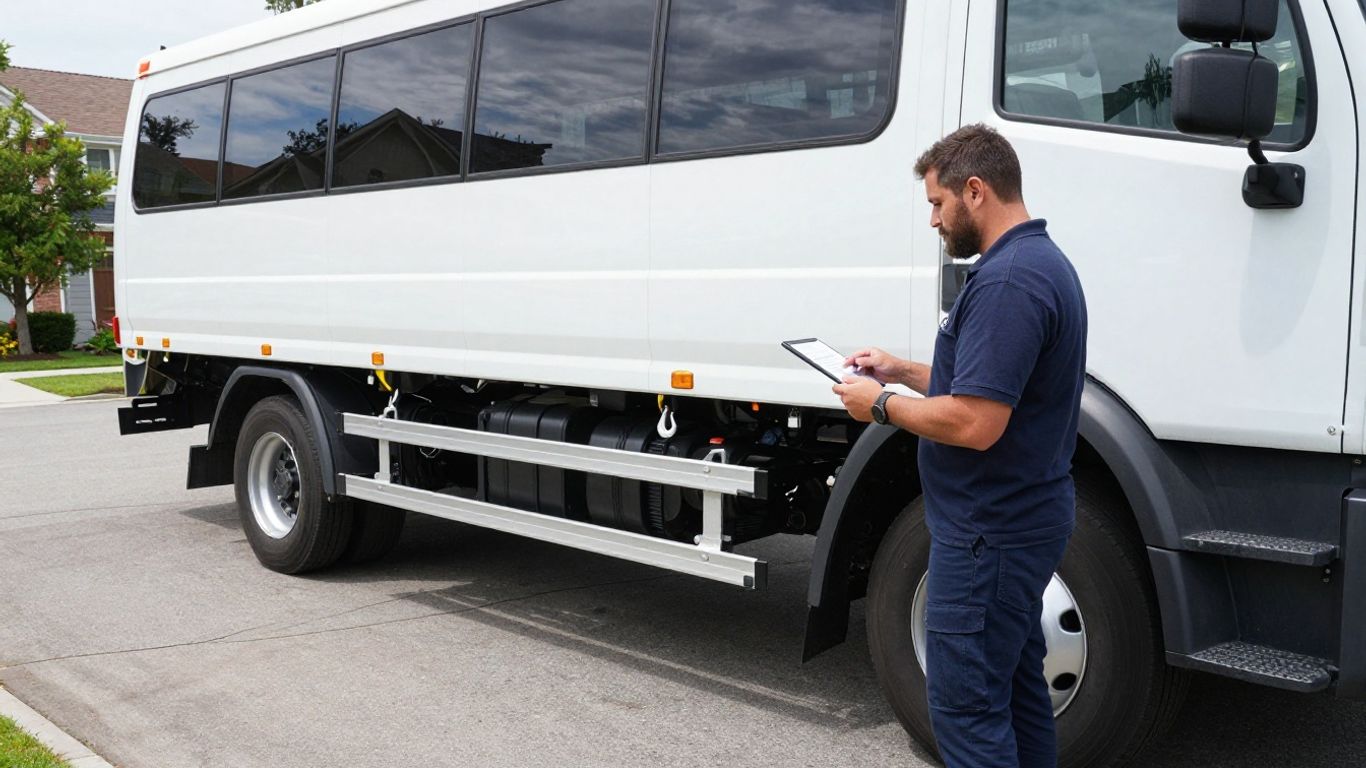
Proper preparation ensures that the transition of the vehicle from your premises to the recycling yard occurs without incident. Taking the time to organize the vehicle and the site helps the towing crew manage the removal quickly and safely. This step is a standard procedure that benefits everyone involved by mitigating risks and operational delays.
Essential documents you need to gather
Prepare your identification and proof of ownership to verify the identity of the seller. Having these documents handy allows the representative to fill out the necessary release forms on-site, expediting the transaction. Clear documentation ensures the transfer is legitimate and protects the owner from future discrepancies.
Removing personal belongings and sensitive data
Cleaning out the interior prevents accidental loss of important items like garage door remotes, sunglasses, or insurance records. Additionally, drivers should wipe any linked Bluetooth devices or factory navigation systems that store address data. A quick audit of the glove box, trunk, and door pockets serves as a simple final check.
Clearing the site for safe towing access
Position the vehicle in a stable, accessible location that allows a tow truck to maneuver without needing to cross delicate lawn areas. If the vehicle is parked in a narrow driveway or garage, notify the collection team in advance to ensure they bring the appropriate equipment.
Providing a clear path for the hydraulic lift and winch reduces the risk of accidental property damage while significantly decreasing the duration of the pickup operation.
Effective communication regarding the site conditions allows technicians to arrive well-prepared. When space is limited, they can coordinate a precise pickup time that minimizes disruption to traffic.
Managing registration plates and cancellations
Removing the state-issued license plates is a critical step that sellers must handle prior to the handover. Returning or canceling these plates through the appropriate transport authority completes the legal requirement for ownership termination. Doing this promptly provides peace of mind that the registration is officially closed.
Finding parts from wreckers for older and newer Toyota vehicles
Locating specific components requires navigating the vast inventory kept by professional dismantlers. Whether searching for a specific sensor in a Toyota Camry or specialized suspension bits for a classic Toyota 4Runner, the hunt for parts is a practical strategy for vehicle restoration. Wrecking yards maintain logical systems to track where parts are kept to ensure ease of access for local customers.
Sourcing discontinued components for classic models
Classic vehicles often suffer from a lack of support from current dealerships, forcing owners to look toward the salvage market. Wreckers frequently house abandoned or retired projects, providing a rare opportunity to find legacy hardware that is no longer manufactured. This acts as a vital lifeline for enthusiasts who want to maintain original factory specifications.
Verifying the condition of used mechanical parts
Inspection is necessary when buying used parts to ensure they are free from deep cracks or excessive wear. Reputable salvage services clarify the history of the donor vehicle, allowing buyers to understand the usage context of the mechanical unit. Checking the fluid levels or visual state of seals helps determine if a part will meet expectations once installed.
Warranty considerations for salvage parts
Many professional dismantlers offer limited warranties or exchange policies on major mechanical assemblies like transmissions and engines. Asking about these terms provides a safety net if a purchased item does not function as described during professional installation. This policy differentiates reliable, large-scale yards from disorganized scrap operations that offer no support after the sale.
Interchangeability of parts across Toyota generations
Many components across the lineup are engineered to be compatible across different production years. For instance, specific electrical components or chassis hardware might span a decade of manufacturing, increasing the availability for owners. Experts at the salvage desk can cross-reference part numbers to confirm if a specific unit will fit your needs safely.
Identifying the right wreckage service for your needs
Evaluating a service provider relies on verifying their reputation and operational scope. It is not just about the cash offer, but also about the ease of the entire process from initial contact to the final tow. Selecting an established, transparent, and fair company produces a positive experience.
Checking credentials and licensing
Confirm that the service holds current mechanical and environmental permits for vehicle disposal in the relevant region. Official licensing indicates that the business operates within government guidelines regarding hazardous waste handling and professional ethics. Verification ensures that your vehicle is being handled according to the law.
Comparing pickup speed and convenience
Assess how quickly the service can schedule a pickup based on your specific location and availability. Some providers offer same-day collection, while others might operate on a weekly dispatch schedule. Finding a service that aligns with your preferred timeline makes the entire experience much simpler.
Reading reviews for customer service track records
Online feedback regarding past transactions reveals whether a company is consistent with their quotes and respectful of property. Positive experiences concerning how staff handle paperwork and the physical removal of the car are good indicators of high management standards. Consistent praise often highlights companies that value their customers throughout the entire duration of the engagement.
Evaluating the range of vehicle makes and years accepted
Not every facility deals with commercial trucks, vans, or older salvage cars, so it is necessary to confirm their intake capability. A service that accepts a broad spectrum of models ensures they are well-equipped to process exactly what you have on your property. This simplifies the search, ensuring you do not waste time contacting services that cannot accommodate your specific situation.
Conclusion
Disposing of an unwanted vehicle through professional reclamation services offers a seamless, profitable, and environmentally conscious exit strategy for owners. By prioritizing certified wreckers, you ensure that every part of the recovery process adheres to safety and legal standards while keeping the focus on achieving a fair market outcome.