
Key Takeaways
Finding the right partner for your vehicle disposal is essential for getting the best deal on the Central Coast. This guide helps you navigate that process effectively.
- Understand how wreckers assess your car’s parts and overall condition.
- Learn to distinguish between scrap yard trade-ins and dealership sales.
- Identify the specific documents required to finalize your car’s ownership transfer.
- Prioritize local service providers to minimize towing fees and shorten payment wait times.
- Prepare your vehicle by removing aftermarket additions to maximize your total payout.
Understanding the trade-in process with Toyota wreckers
Navigating the process of selling a car to a salvage yard might seem daunting if you have only ever worked with formal sales lots. The wreckers focused on salvage often operate differently, prioritizing the recoverable components of your vehicle over its aesthetic appeal. By knowing what to expect, you can ensure a smooth transaction that respects both your time and the value of your vehicle.
How wreckers evaluate your vehicle’s condition
When a evaluator looks at your car, they are checking for the health of internal components like the engine, transmission, and electrical systems. They assess whether these parts can be salvaged for resale, which informs the final amount they are willing to offer you. It is often helpful to honestly point out any known mechanical faults so they can provide a more accurate and fair market price upon inspection.
The difference between traditional dealerships and wreckers
Choosing the right path depends on whether you have a running, pristine car or a vehicle that has reached the end of its road. The following table illustrates the core differences between these two options to help you decide.
| Feature | Professional Dealership | Local Wrecker |
|---|---|---|
| Vehicle State | Must be roadworthy | Accept any condition |
| Primary Focus | Reselling whole cars | Reselling individual parts |
| Speed of Sale | Can take several days | Often same-day service |
Selecting a path often hinges on how quickly you need the vehicle out of your driveway and what kind of physical state the vehicle is currently in. If the car is sitting in your garage non-functional, a wrecker is usually the more practical alternative compared to spending money on repairs that may not yield a profit.
Required paperwork for transferring ownership
Even when selling a vehicle to a salvage yard, local laws require that you officially transfer the title to the buyer. You should bring your registration papers and proof of identification to the yard to satisfy state legal requirements. Always ask for a signed receipt or transfer confirmation to ensure that you are no longer liable for the vehicle after the transaction is complete.
Benefits of choosing a local Central Coast wrecker
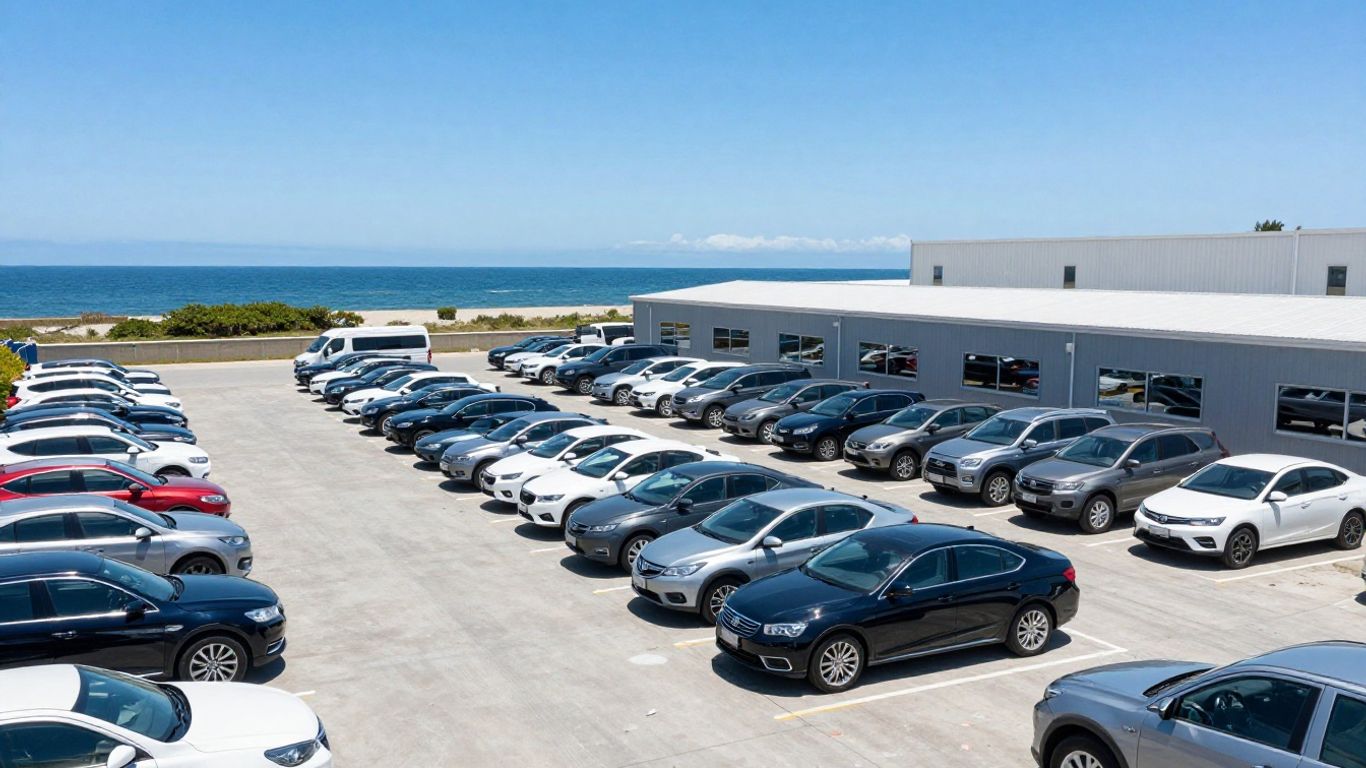
Choosing a neighborhood service provider often makes the logistical side of selling your vehicle much easier. Local expertise means they are familiar with regional geography, allowing for faster coordination and support when you need it most. Keeping your business within the region also helps foster a more responsive and accountable service relationship for all drivers.
Reduced towing costs for disabled vehicles
When your car is no longer driving, transport expenses can quickly eat into your profits. Local wreckers often charge significantly lower fees because they do not have to travel vast distances to reach your home or office. This geographic advantage ensures more of the offer amount stays in your pocket rather than covering transport logistics.
Faster turnaround for final payment
Speed is frequently a priority for vehicle owners who want to clear their property promptly. Local yards can often dispatch a team to your location within a single day, eliminating the need for back-and-forth scheduling. Once the vehicle assessment is completed and paperwork is signed on-site, payments are typically finalized immediately.
Supporting local circular economy practices
By utilizing local salvage operations, you are actively participating in the regional circular economy by keeping reusable car parts within the community. This process ensures that perfectly functional components get a second life in other vehicles, rather than ending up in a landfill. It represents a more sustainable approach to managing aging automotive fleets across our region.
Preparing your Toyota for a trade-in evaluation
Getting your car ready for an expert evaluation does not require a deep clean, but it does require some basic organization. A little bit of effort on your part can help the evaluator see the true value of your vehicle quickly. The goal is to make the process as straightforward as possible for both you and the yard staff.
Assessing mechanical issues versus aesthetic damage
It helps to differentiate between superficial dings and fundamental mechanical failures before the assessment. While body damage is usually irrelevant to a recycler looking for engine components, severe frame damage or transmission failure will heavily influence the offer. Be clear with the evaluator about what works to save everyone time.
Stripping aftermarket components for resale
If you have added custom lights, unique rims, or advanced audio equipment, consider removing these items before the inspection. These parts often have high individual resale value on the secondary market that you might want to capture separately. A stripped, stock vehicle is usually what the wrecker expects and is easier for them to process for parts.
Gathering necessary maintenance records
Even for cars headed to the scrap yard, having service records can actually be a plus point. Records proving consistent oil changes or major parts replacements suggest the engine and transmission might be in better internal condition than age alone would imply. Providing this history can sometimes lead to a better offer than a vehicle with an unknown history.
Maximizing your offer from Toyota wreckers
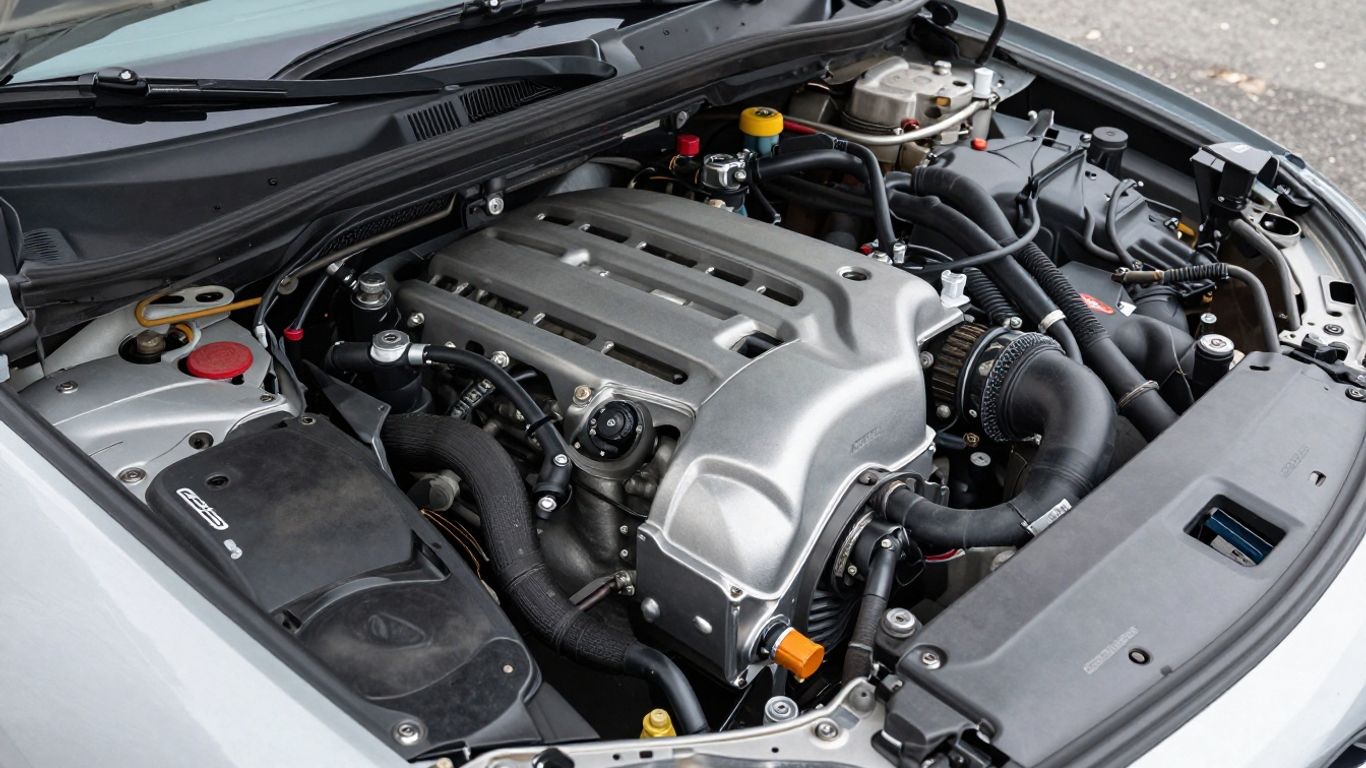
Finding the right site for your sale involves a balance of research and simple negotiation skills. You do not have to settle for the first quote you receive, as different yards place value on specific components based on their current inventory. Taking a small amount of time to compare your options can yield significant dividends.
Comparing quotes from multiple Central Coast yards
Gathering multiple estimates helps you understand the baseline value of your vehicle in the eyes of different operators. Make sure to provide the same honest description to every yard so your comparisons are accurate. Many managers expect you to shop around, and they may be willing to adjust their offer to win your business.
Highlighting rare or functioning high-value parts
If your vehicle features a specific part that is currently in high demand or particularly rare, mention it directly. An engine that has had a recent rebuild or a transmission that was replaced within the last year represents significant value. Providing this information allows the yard to see the car as a goldmine of parts.
Understanding market demand for specific Toyota models
Some vehicles share components across a wide range of models, making them more attractive to salvage operators. Being aware of which versions are common allows you to set realistic expectations for your payout.
Understanding the specific demand for your car’s parts helps you justify a higher asking price. When you identify where your vehicle’s parts are most needed, you can negotiate with a much clearer sense of its true worth in the current regional market.
This insight ensures you approach the conversation with the yard owner from a position of knowledge rather than uncertainty.
Logistics and pickup services on the Central Coast
Logistics are often the biggest hurdle for people who have cars that can no longer be driven on public roads. Relying on professional recovery systems is essentially the only way to move a dead vehicle safely. Understanding how these services interact with your needs will keep your experience stress-free.
Scheduling service in remote coastal areas
If your vehicle is located away from the main thoroughfares, it is helpful to provide clear directions or coordinates to the towing crew. Wreckers who specialize in your area often have specialized equipment designed to reach difficult spots. Communicating these details early prevents delays and unnecessary back-and-forth travel time.
Dealing with scrap vehicles that do not start
Most yards possess specialized towing rigs capable of lifting vehicles that cannot roll, start, or steer. When you call to arrange your service, explicitly state the current condition of the vehicle, including whether it is blocked in by other items. This allows the dispatcher to send the correct truck on the first attempt.
Ensuring the towing service is insured and licensed
Before allowing any company to haul your vehicle away, confirm they are operating a legal business. Proper licensing and insurance protect you from liability in the event of an accident occurring while the vehicle is in their care. A reputable business will have no issue showing you this documentation upon request.
Legal and safety considerations when selling to a wrecker
Safety is paramount when liquidating any asset, especially when it involves metal that will be recycled and processed. You must ensure that the transition of ownership is handled according to state guidelines to protect yourself from future administrative issues. Following these rules makes the whole event much safer for everyone involved.
Ensuring proper vehicle title cancellation
Title cancellation remains the most important step in the entire process to prevent legal repercussions. Once the tow truck departs, ensure you have received a formal notification of sale that you can file with your local transportation authority. Taking this step officially removes your name from the vehicle record.
Understanding environmental disposal regulations
Large salvage yards are subject to strict environmental laws regarding the handling of automotive fluids. You should feel comfortable asking how they manage the disposal of old oils, coolant, and battery components during their process. Reputable yards take these regulations seriously and have established systems to prevent leaks and contamination during salvage.
Verifying the facility’s registration status
Finally, check that the yard you are dealing with has a valid business registration for handling vehicle waste products. Using a licensed facility guarantees that your vehicle will be handled in a manner that complies with standards for hazardous waste management. This simple check gives you peace of mind that your old car is being handled by a professional operation.
Conclusion
Successfully managing the sale of your car to Toyota wreckers that accept trade-ins Central Coast relies on preparation and selecting a reputable, local specialist. By handling your paperwork, knowing your vehicle’s unique value, and navigating local logistics thoughtfully, you can turn a tedious disposal process into a seamless transaction that benefits your wallet and the local economy.