
Key Takeaways
Finding affordable electrical components for your vehicle is a practical way to manage maintenance costs. Here are five essential points to consider when searching for components in the local market:
- Quality recycled parts can offer significant savings while maintaining manufacturer specifications.
- Checking for genuine serial numbers ensures electrical compatibility across different Toyota models.
- Physical inspection and bench testing are critical steps before installing any used electrical unit.
- Professional wreckers often provide warranties that add a layer of security to your purchase.
- Proper installation techniques, including terminal cleaning and belt tensioning, improve the longevity of your repair.
Understanding the reliability of recycled Toyota parts
Choosing recycled components is a popular approach for car owners who want to maintain their vehicles without paying premium prices for brand-new items. These parts typically come from donor vehicles that were retired due to collision damage rather than mechanical failure, meaning many of the electrical systems remain in excellent working order. When you source these items, you are often getting original equipment that is designed specifically for your vehicle platform.
Benefits of using genuine Toyota recycled components
Opting for genuine components means you are installing parts that meet the exact engineering standards set by the manufacturer. Unlike aftermarket equivalents, these salvaged units are built to function perfectly with your existing electrical harness and ECU, reducing the risk of integration issues.
Using original components often results in a better fit and more predictable performance compared to inexpensive, third-party alternatives that may lack the same rigorous quality control protocols during their manufacturing phases.
This compatibility is a major advantage for car owners who prioritize long-term reliability and want to ensure their vehicle continues to operate exactly as it did when it left the factory.
Debunking common myths about used electrical systems
Many drivers fear that electronic parts have a hidden shelf life that makes them unreliable, but many alternators and starters possess significant remaining operating cycles. Professional recyclers often test salvaged inventory to verify that performance remains within expected bounds.
Evaluating the expected lifespan of salvaged automotive starters
The lifespan of these components is largely dictated by how often the engine is cycled, rather than just the passage of time. If you identify a donor vehicle with lower total vehicle mileage, the internal brushes and solenoid contacts inside the starter motor are likely to show minimal signs of wear, suggesting many years of potential service remain.
When to choose a used part over a brand-new aftermarket unit
Choosing a used part is often the better financial choice for older vehicles where brand-new factory components are no longer available or carry a prohibitive price tag. You gain access to high-quality hardware at a fraction of the cost, making it feasible to keep a reliable car on the road for much longer than expected.
Where to find quality salvage Toyota parts in Adelaide
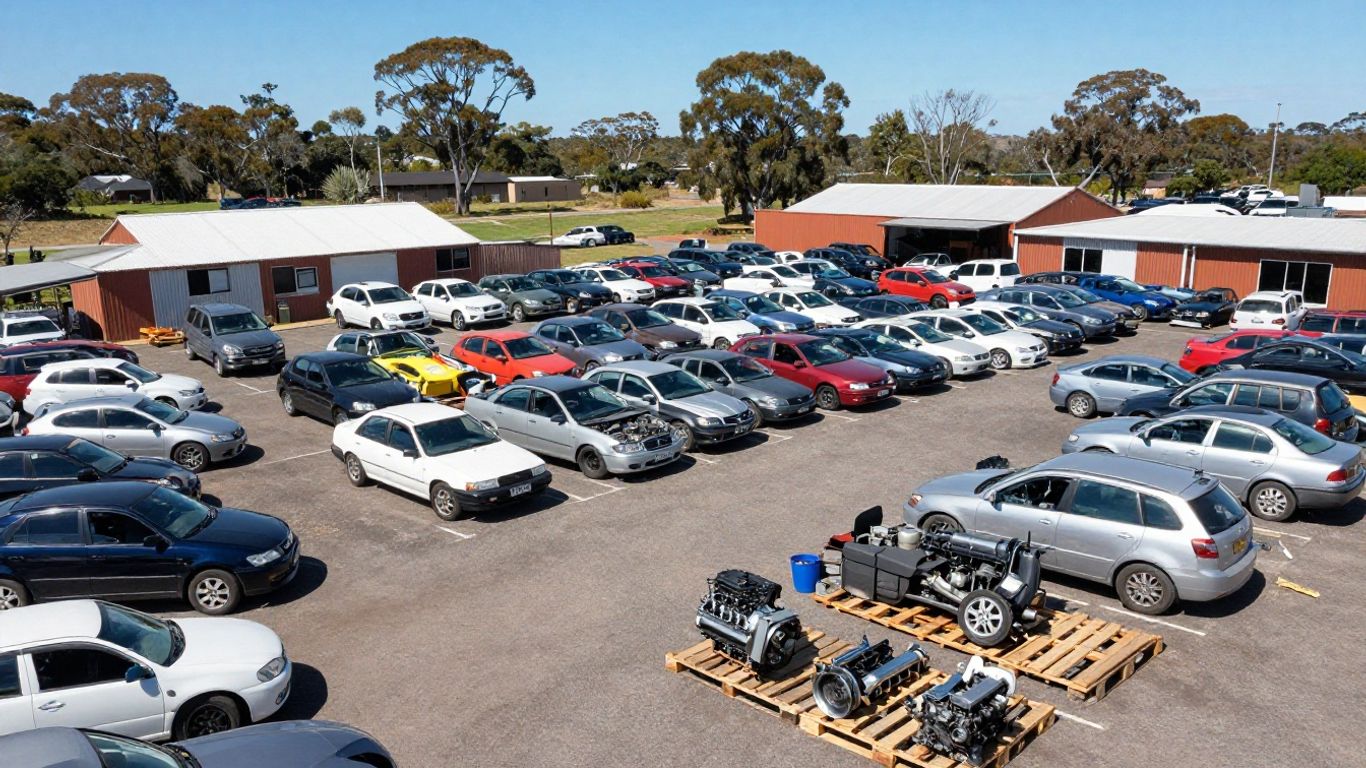
Finding the right source for your parts requires a blend of local research and attention to specific inventory records. Adelaide is served by several established wreckers, such as Salisbury Auto Parts, which maintain large stockpiles of components pulled from a wide variety of models. Visiting these yards in person or checking their online databases regularly can help you secure the specific electrical unit required for your project.
Navigating reputable local automotive wrecking yards
Reputable yards often keep their inventory organized, making it easier to locate specific engines or electrical systems. When you visit these facilities, look for organized storage systems that protect delicate electrical items from environmental damage like moisture or extreme heat.
Utilizing digital marketplaces to locate Toyota-specific inventory
Digital platforms allow you to quickly search the inventories of multiple wreckers across the state without visiting each site. You can filter by vehicle year, make, and model to pinpoint specific parts that are compatible with your current setup.
Verifying the credibility and history of Adelaide auto recyclers
Reliable businesses are usually transparent about the origins of their parts. Checking reviews or confirming if a shop is a member of professional automotive associations can provide peace of mind regarding the history of the components you intend to purchase.
Building professional relationships with local Toyota specialists
Establishing a rapport with staff at places like Salisbury Auto Parts can grant you early access to new arrivals. These professionals understand the nuances of the Toyota range and are often willing to help you verify compatibility before you finalize a purchase.
Identifying the right alternator or starter for your model
Locating the correct electrical unit for your vehicle requires a precise matching process to avoid installation failures. Not all alternators and starter motors are interchangeable, even within the same brand. You must ensure that the output capacity and mounting points align perfectly with your engine configuration to prevent immediate damage or poor operation.
Decoding your Toyota engine and chassis identifiers
Every vehicle has specific codes located on the compliance plate that detail the exact engine variant and factory specifications. Cross-referencing these numbers is the most reliable way to narrow your search to parts that were engineered for your specific build.
Matching specific part numbers to ensure electrical compatibility
Always compare the unique manufacturer part number stamped on your original component with the candidate part. While a unit might look physically similar, internal wiring variations can lead to poor charging performance or failure to engage the flywheel if the part numbers do not align.
Distinguishing between generation-specific starter motor designs
Engine designs evolve over time, and starter motor mounting orientation or electrical plug configurations may change between vehicle generations. A starter meant for an older engine might exhibit different power draw specifications that are not suitable for a newer ECU that monitors electrical load closely.
Checking for manufacturer part revisions and updates
Sometimes, the manufacturer releases an updated part design to address common failure points. When shopping for used parts, asking for the latest revision can ensure you get the most robust unit available for your vehicle chassis.
Testing used auto electrical components before installation
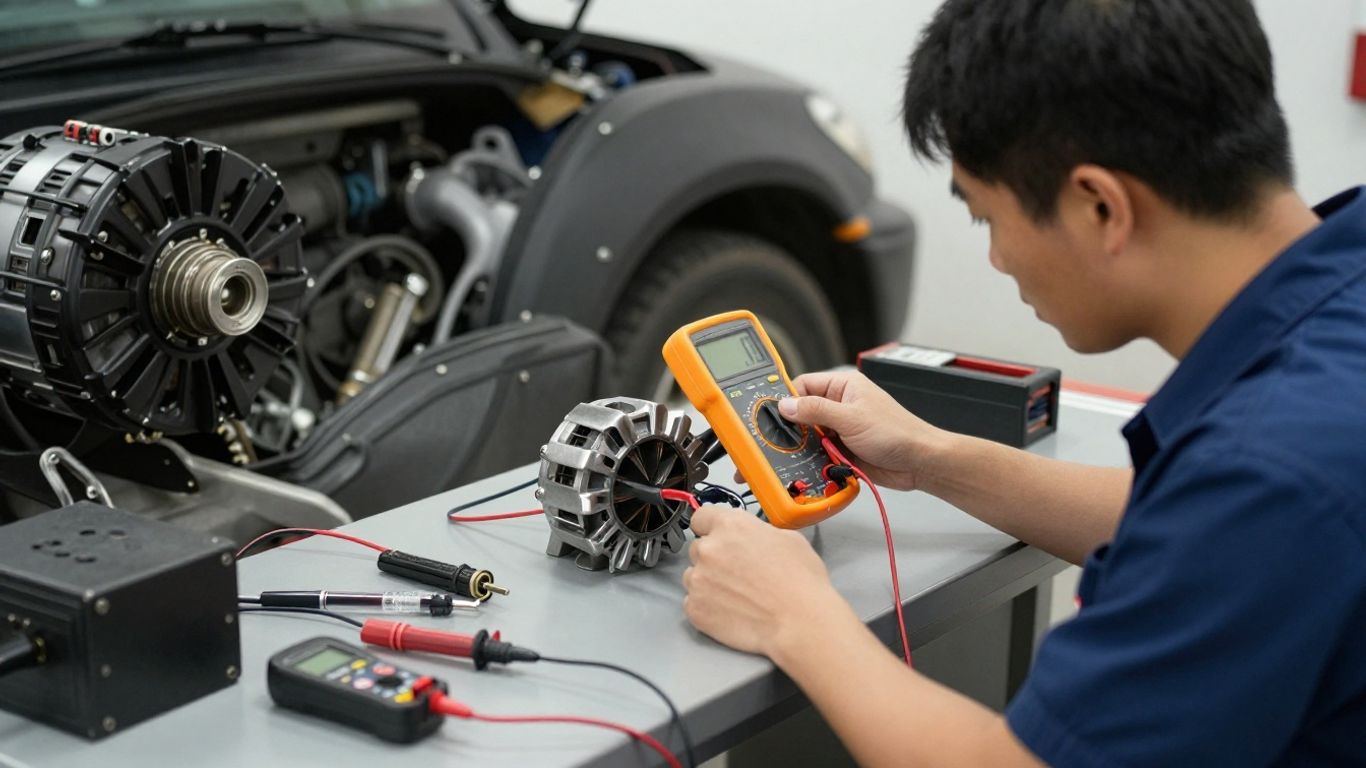
Before you bolt a replacement unit into your car, thorough testing is essential to confirm that your purchase is functional. This is a critical step because it prevents the wasted time and effort involved in installing a part that will simply need to be removed again if found to be faulty. By evaluating these simple metrics, you protect the rest of your electrical architecture.
Performing multimeter checks for alternator diode integrity
A basic multimeter allows you to test for voltage output and diode strength. You are looking for a consistent charging voltage that remains within the manufacturer’s range, ensuring the alternator can effectively top up the battery without causing power surges or system errors.
Bench testing procedures for harvested starter motors
A bench test connects the starter motor to a dedicated power source to observe its physical engagement and spin. This confirms the solenoid is retracting properly and the gear drive is extending to reach the housing, demonstrating that the unit is ready for daily ignition use.
Assessing the wear on pulleys and bendix gear drives
Visual examination of the external parts reveals a significant amount about the unit’s operating history. If the pulley has grooves or the bendix gear shows chipped teeth, it indicates that the unit might have struggled against excessive belt tension or engine vibration, and should be avoided.
Identifying signs of internal damage during physical inspection
Listen for grinding noises when the unit spins freely and look for signs of overheating such as scorched casings or loose smells. A healthy unit should turn without resistance and exhibit clean, undamaged external contact points for all electrical wires.
Best practices for installing your replacement parts
Installing a new electrical unit is a straightforward but delicate task that requires careful attention to the surrounding environment and connection points. Ensuring that the mounting bolts are torqued correctly and that every electrical lead is clean will help the replacement function reliably for years to come. Even the most robust component can fail if it is attached in a haphazard manner, so standard mechanical care is mandatory.
Disconnecting the battery to prevent electrical surges
Always remove the negative battery terminal before starting any repair work on the electrical system. This fundamental safety step prevents short circuits that could harm the vehicle’s computer or cause a fire when your tools accidentally touch the chassis.
Cleaning old battery terminals to ensure solid connections
Corrosion on terminal ends can dramatically increase electrical resistance, causing the alternator to struggle or the starter to click without cranking. Use a simple wire brush to scrub away buildup, leaving a clean metal surface that ensures maximum current flow.
Adjusting drive belt tension for optimal alternator performance
Proper belt tension is necessary to keep the alternator rotating at the right speed to recharge the battery. If the belt is too loose, the alternator may only supply inconsistent power, which forces the electrical system to drain the battery and eventually lead to a total breakdown.
Calibrating the new unit with your vehicle’s ECU if required
Some modern vehicles require that you clear error codes or perform a handshake procedure so the engine control unit recognizes the new component. While not always necessary, failing to check this might leave a warning light on the dashboard despite the part functioning perfectly.
Essential questions to ask your Adelaide wreckers
When buying parts from an auto recycler, communication is your best tool for ensuring success. Ask clear questions early on to avoid misunderstandings later, and ensure you have all the facts about the part’s origin and potential performance. Salisbury Auto Parts, among other reputable local options, typically provides detailed information if you know what to ask before leaving the counter.
Inquiring about standard warranty periods on salvaged electronics
Most recyclers offer a period of time to test the part, but the duration varies. Understanding these terms ensures you have a grace period to confirm the unit’s performance.
| Item Category | Warranty Period | Return Condition |
|---|---|---|
| Starter Motors | 30 Days | Non-functional |
| Alternators | 60 Days | Non-functional |
| Wiring Looms | 7 Days | As Purchased |
You should always keep your receipt and documentation safe. Having these details organized ensures that if you verify a fault within the trial period, your interaction with the staff will be simple and professional.
Verifying the total mileage of the donor Toyota vehicle
Knowing the approximate usage of the donor vehicle gives you a strong indication of how much life is left in the part. A low-mileage unit is generally a safer bet for longevity.
Understanding return policies for non-functional parts
If you discover an issue shortly after installation, confirm whether the business offers an exchange or a refund. Most professional yards prioritize customer satisfaction and are willing to rectify clear hardware issues.
Confirming if the component has undergone previous service or repair
Sometimes, parts have been serviced previously with new brushes or bearings before being placed for sale. Knowing the history of a refurbished unit can help you understand its potential reliability compared to an untouched original.
Conclusion
Sourcing budget-friendly components for your vehicle is a smart way to maintain high performance while keeping your automotive expenses manageable. By carefully selecting your source, verifying part compatibility, and performing diligent tests before installation, you can successfully equip your vehicle with reliable electrical hardware that lasts for years. Remember to prioritize quality, communicate clearly with your local Adelaide professionals, and follow consistent maintenance routines to get the best result for your driving needs.