
Key Takeaways
- Sourcing high-quality mechanical parts from local wrecking yards helps minimize industrial waste while preserving natural resources.
- Choosing recycled components instead of new OEM parts offers significant cost savings without compromising vehicle reliability.
- Proximity to local automotive salvage yards simplifies the logistics of obtaining heavy drivetrain components.
- Verifying service history and structural integrity before purchase is essential for a successful automotive repair project.
- Building strong relationships with reputable wreckers ensures long-term access to reliable inventory and expert mechanical advice.
The advantages of using Toyota wreckers in Parramatta NSW
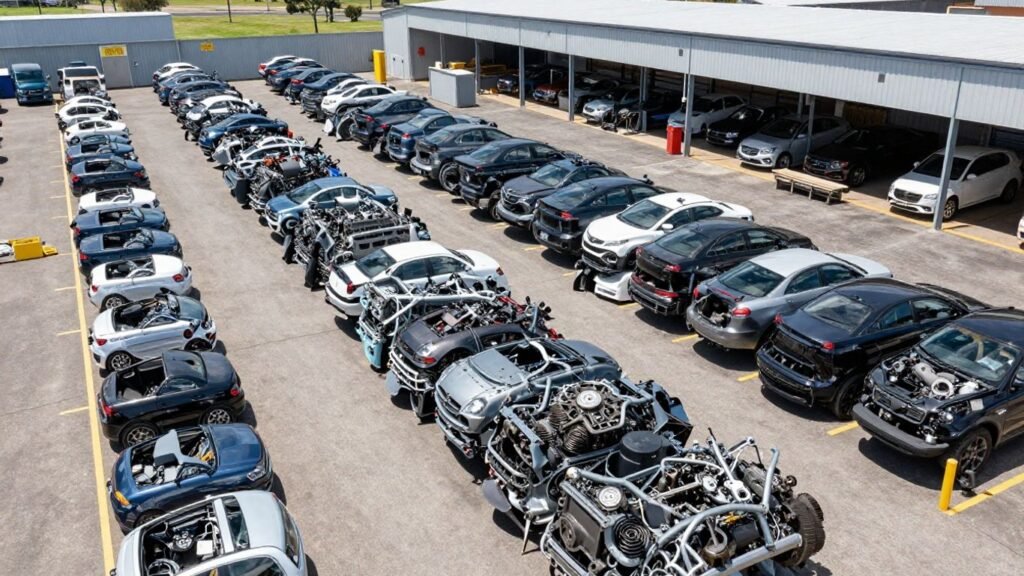
Finding the right spare parts for your vehicle can often feel like a tedious task, especially when trying to balance cost and quality. Fortunately, searching for components through local salvage specialists in the Western Sydney area provides a practical solution for car owners and independent mechanics alike. By focusing on established local businesses, you can effectively source reliable components while reducing the overall ecological footprint of your vehicle maintenance.
Environmental impact of recycled auto parts
Utilizing components rescued from salvaged vehicles plays a substantial role in reducing the demand for raw material extraction and manufacturing processes. When you repurpose an engine or gearbox, you are extending the lifecycle of that metal and precision-machined steel, which inherently requires less energy to reuse than to manufacture from scratch. This sustainable approach to vehicle ownership helps divert significant amounts of waste from landfills, effectively managing the scrap generated by older vehicles that are no longer roadworthy.
Financial benefits over buying new OEM components
Transitioning from exclusive reliance on factory-new pieces to high-quality recycled alternatives can lead to massive budgetary relief for any major car repair. You can often secure genuine mechanical parts for a fraction of the original MSRP cost compared to brand-new units. The table below illustrates the typical price difference observed when sourcing common components through salvage yards versus retail dealerships.
| Component Type | Average Retail Price | Average Wrecker Price |
|---|---|---|
| Standard Alternator | $600 | $250 |
| Used Gearbox | $2,200 | $900 |
| Core Engine | $4,500 | $1,800 |
These price variances make it much easier to perform necessary drivetrain overhauls without the prohibitive costs usually associated with official franchise dealership parts.
Local accessibility and reduced shipping hurdles
Being based near the Parramatta region grants drivers the benefit of local inventory pickup, which avoids the complexities and potential damage risks associated with long-distance freight. When you source parts from a local yard, you can often inspect them on-site, ensuring the item meets your expectations before finalizing payment. Eliminating shipping requirements not only saves on total delivery expenses but also significantly shortens the duration between identifying a required part and successfully installing it into your car.
Identifying quality used engines and gearboxes
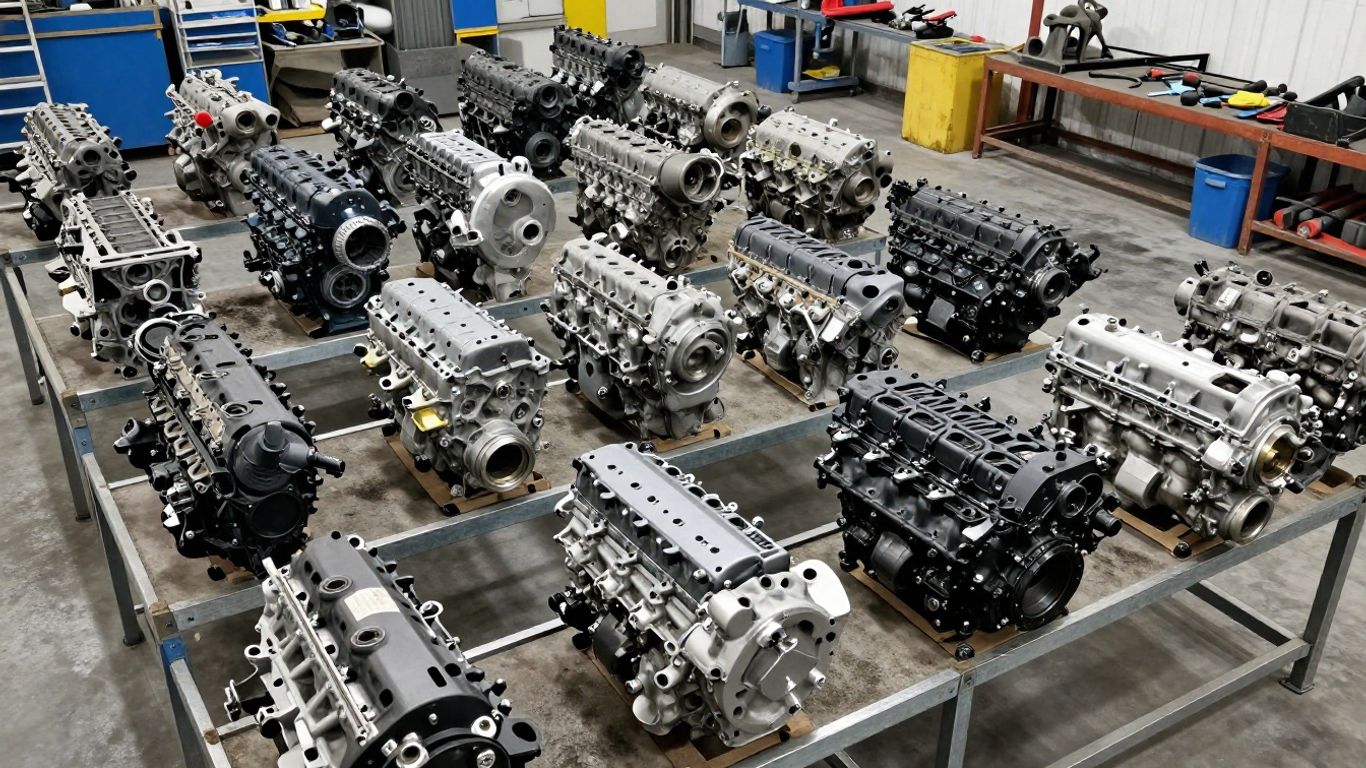
Choosing a reliable drivetrain starts by assessing the baseline health of the unit you intend to buy. Since performance depends on the history of both the wrecking yard and the donor car, paying close attention to specific maintenance records and testing procedures is crucial. Professional salvage experts perform standardized checks that distinguish high-grade inventory from worn-out scrap.
Understanding mileage and service history records
Reliable wreckers generally catalog their inventory by recording the mileage of the donor vehicle and, whenever possible, the documented service history of the engine. A vehicle that has been regularly serviced maintains cleaner internals, significantly reducing the probability of internal failures during your upcoming installation. Accessing these documents helps confirm that the engine you are considering has been maintained in accordance with standard manufacturer intervals.
Importance of thorough bench testing by wreckers
Before a component is listed for sale, specialized salvage yards often conduct compression tests and fluid analysis to ensure the integrity of the core. If you find a vendor that provides proof of these diagnostic procedures, you can have much higher confidence in the longevity of your purchase. A well-conducted bench test can highlight hidden internal wear that might not be visible during a basic visual inspection, protecting you from future mechanical headaches.
Differentiating between operational inventory and salvage-grade parts
Inventory categorizations often distinguish between parts that have been fully verified for immediate installation and those that might simply serve as restoration cores. Operational stock refers to assemblies that have been pulled and audited for immediate functionality, while salvage-grade parts might require partial rebuilds before they can safely return to the road. Distinguishing between these two categories ensures you avoid the surprise of purchasing a component that requires excessive extra labor just to make it operational.
Compatibility considerations when sourcing Toyota parts
Ensuring that your new-to-you component is perfectly compatible with your specific chassis is the single most important step in the replacement process. Toyota vehicle architecture can vary based on specific manufacturing dates, making it vital to avoid assuming that parts of the same model year will automatically fit. Accurate data is your best tool for guaranteeing that every bolt and electrical connector aligns properly during the upgrade.
Using Toyota VIN numbers for precise part matching
Your vehicle identification number (VIN) is the master key for determining the exact technical specifications required for your specific build. When communicating with staff at local wrecking yards, providing this digit sequence allows them to cross-reference their database with your car’s exact manufacturing configuration. This high degree of precision prevents the logistical nightmare of receiving an incompatible sensor or drive shaft.
Common generational changes in engine architecture
Even within the same decade, Toyota frequently refined engine sub-components, updating computer modules or sensor placements to improve efficiency. It is important to treat these evolution points with respect, as internal electronics often do not allow for simple "plug-and-play" swaps if the generations do not align precisely.
The complex nature of automotive design means that even small architectural variations between seemingly identical model years can lead to significant installation difficulties if the parts are not matched with extreme technical care.
Respecting these generational boundaries allows you to avoid attempting modifications that might ultimately lead to electrical shorts or hardware incompatibility.
Verifying transmission codes to ensure drivetrain alignment
Transmission identifiers are often stamped onto the housing, providing specific details about gear ratios and torque converter compatibility. Always confirm that the series code on the donor gearbox matches your original unit to ensure the final drive performance remains consistent with your vehicle’s factory tune. If the codes differ, you might encounter issues with sensor response or shift points that are not easily corrected through basic adjustments.
How to inspect used mechanical components before purchase
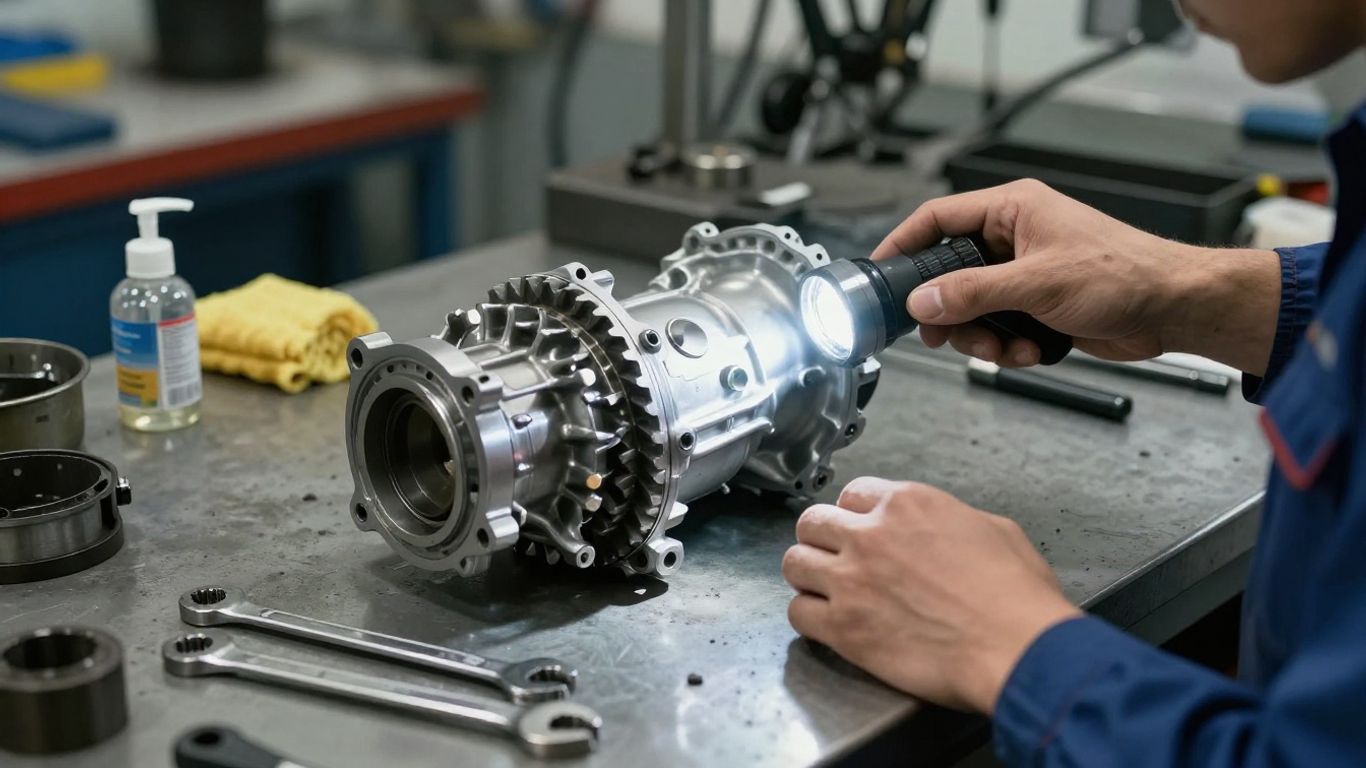
Visual verification serves as your final safeguard when selecting components in person at a wrecking yard. Bringing a flashlight and basic cleaning tools can help you examine the harder-to-see areas of an engine block or transmission assembly. By taking a methodical approach to this physical check, you can identify red flags that might otherwise be overlooked in a busy workshop setting.
Checking for signs of oil sludge or heavy corrosion
Removing oil filler caps or checking fluid drain plugs can reveal evidence of neglected maintenance, such as heavy gunk or solidified debris. A clean, amber-colored interior indicates that the previous owner respected regular oil change schedules, which is a massive indicator of health. Similarly, be vigilant for signs of excessive exterior corrosion or pitting on the mounting faces, which might indicate the vehicle was exposed to harsh environmental factors.
Evaluating the condition of visible seals and gaskets
Inspect the condition of rubber seals and gaskets for signs of drying, cracking, or active leakage. While some exterior seals are easily replaced, heavy signs of degradation are often indicative of a component that has been sitting for an extended period, potentially causing internal damage. Identifying these issues early allows you to negotiate for a lower price or look for a fresher unit that is closer to prime operational status.
Analyzing the structural integrity of mounting points and housings
Check for stress fractures in the transmission bell housing or mounting flanges, as even minor cracks can lead to catastrophic structural failure once the torque of an engine is applied. Ensure all original threaded holes remain clean and have intact threads, noting that a stripped mount can be extremely difficult to repair without specialized machine shop tools. If the housing looks deformed or shows signs of previous impact trauma, it is safer to walk away and continue with your search.
Maximizing value when buying from local wreckers
Value goes beyond the initial asking price and includes the long-term support you receive from the vendor. By asking the right questions and focusing on the total cost of ownership, you can ensure that your purchase remains a smart financial decision throughout the life of your vehicle. A thoughtful negotiation approach combined with a focus on reliable partnerships creates the best results for your repair journey.
Comparing warranty options for recycled mechanical parts
Most reputable wreckers now offer limited warranties on their mechanical inventory, acknowledging that the consumer deserves peace of mind. Clarify whether the provided warranty covers labor costs or just the part cost, as these details vary significantly between businesses. Securing a written coverage agreement ensures that you are protected against premature failure once the part is finally installed.
Negotiating price based on estimated installation labor
When you know the difficulty and time required for your mechanic to install a part, you can use that information to fairly discuss pricing. If a unit has clearly aged but is still functional, sharing the expected shop hours with the wrecker may open opportunities for a more flexible financial arrangement. This pragmatic communication helps align expectations while ensuring you maintain a fair relationship with the local business owner.
Building long-term relationships with reputable Parramatta wreckers
Developing a rapport with a single, dependable yard can provide benefits that go beyond a single transaction. Over time, you might find that these professionals alert you to incoming parts that meet your exact needs before they are even listed online. By being a consistent and appreciative customer, you guarantee you have a reliable resource for future automotive projects in the region.
Conclusion
Navigating the process of sourcing high-quality Toyota wreckers Parramatta NSW – used engines & gearboxes is a rewarding endeavor that prioritizes both sustainability and fiscal responsibility. By adhering to rigorous inspection standards, verifying compatibility through part numbers, and fostering strong professional relationships with your local salvage experts, you secure the components required to keep your car running reliably for years to come. Through this careful approach, you turn an intimidating repair task into a successful and deeply satisfying automotive experience.