
Key Takeaways
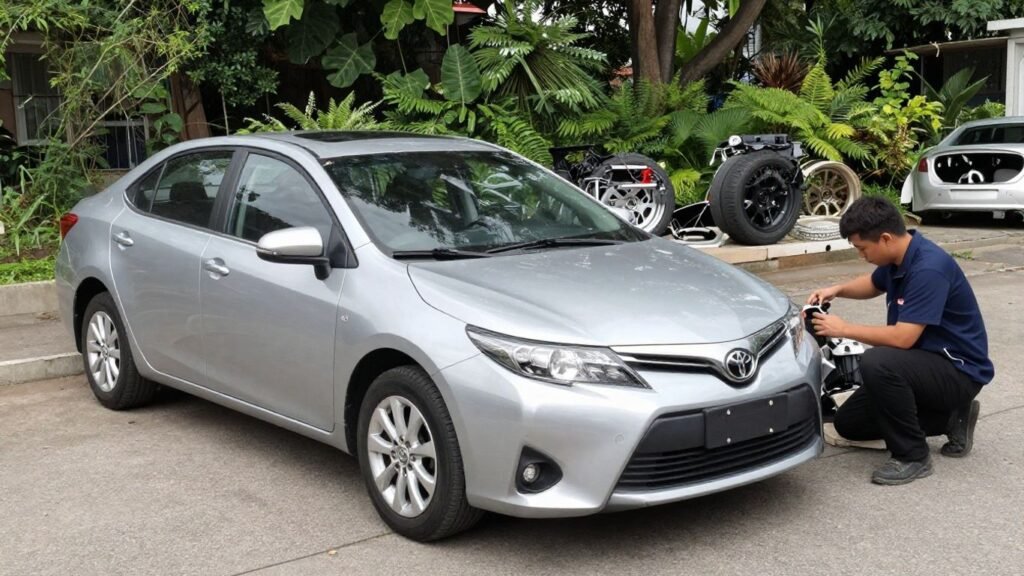
Finding Toyota parts Ringwood – genuine recyclers can make a repair more manageable when you confirm the vehicle details, part condition, and total cost before buying.
- Confirm the Toyota model, year, variant, and VIN before ordering a part.
- Ask how a used part was inspected, tested, and previously used.
- Compare the complete repair cost, not only the advertised part price.
- Check warranty, returns, fitment, and installation requirements in advance.
- Reuse suitable parts and dispose of replaced components responsibly.
Understanding Toyota parts from genuine recyclers
A genuine recycler makes used parts easier to assess because the part has a traceable vehicle source and a clear condition to discuss. The aim is not simply to find the cheapest component, but to find one that suits the repair and can be checked before purchase. Good questions about origin, testing, and returns help separate a sensible used-part choice from an uncertain one.
What makes a Toyota recycler genuine
A genuine recycler works with end-of-life or damaged vehicles, carefully identifies usable components, and provides clear information about what is being sold. You should be able to ask where the part came from, whether it has been inspected, and what identifying numbers are recorded. Clear answers and practical fitment questions are useful signs of a professional process.
A recycler should also be willing to discuss limitations rather than treating every part as interchangeable. For example, a component from one production year may look similar to another but still require different connectors, mounting points, or specifications.
Used, reconditioned, aftermarket, and new parts compared
These descriptions refer to different purchasing choices. A used part has previously been fitted to another vehicle, while a reconditioned part has been restored or repaired to an agreed standard. Aftermarket parts are made by a supplier other than the vehicle manufacturer, and new genuine parts are unused components supplied for the vehicle range.
The right option depends on the part, the vehicle’s age, your budget, and the consequences of a poor fit. A used trim piece may be a straightforward choice, while a critical mechanical or safety component deserves more careful verification.
Why recycled Toyota parts can offer better value
A recycled part can reduce the initial cost of a repair, particularly when a new replacement is expensive or difficult to source. It may also preserve an original design, connector layout, or mounting arrangement that suits the vehicle. The lowest listed price is not always the lowest final cost, so include freight, labour, seals, fluids, and any required programming in your comparison.
Value depends on condition as much as price. A clean, tested component with a suitable warranty may be a better purchase than a cheaper part with unknown history and no practical return path.
How responsible vehicle recycling supports sustainability
Vehicle recycling keeps usable components in circulation and reduces the need to manufacture replacements for every repair. It can also limit the amount of material sent directly to landfill when vehicles are dismantled methodically. These benefits depend on proper handling, so ask how fluids, batteries, tyres, and other hazardous materials are managed.
Reusing a suitable component is a practical environmental choice as well as a financial one. It gives an existing part another useful service life while helping owners maintain older vehicles.
Finding the right parts for your Toyota
Part searching becomes much easier when you begin with accurate vehicle information rather than a broad model name. Toyota vehicles can vary by year, engine, transmission, body style, trim level, and market specification. The more detail you provide, the less time is lost checking an unsuitable component.
Identifying your Toyota model, year, and variant
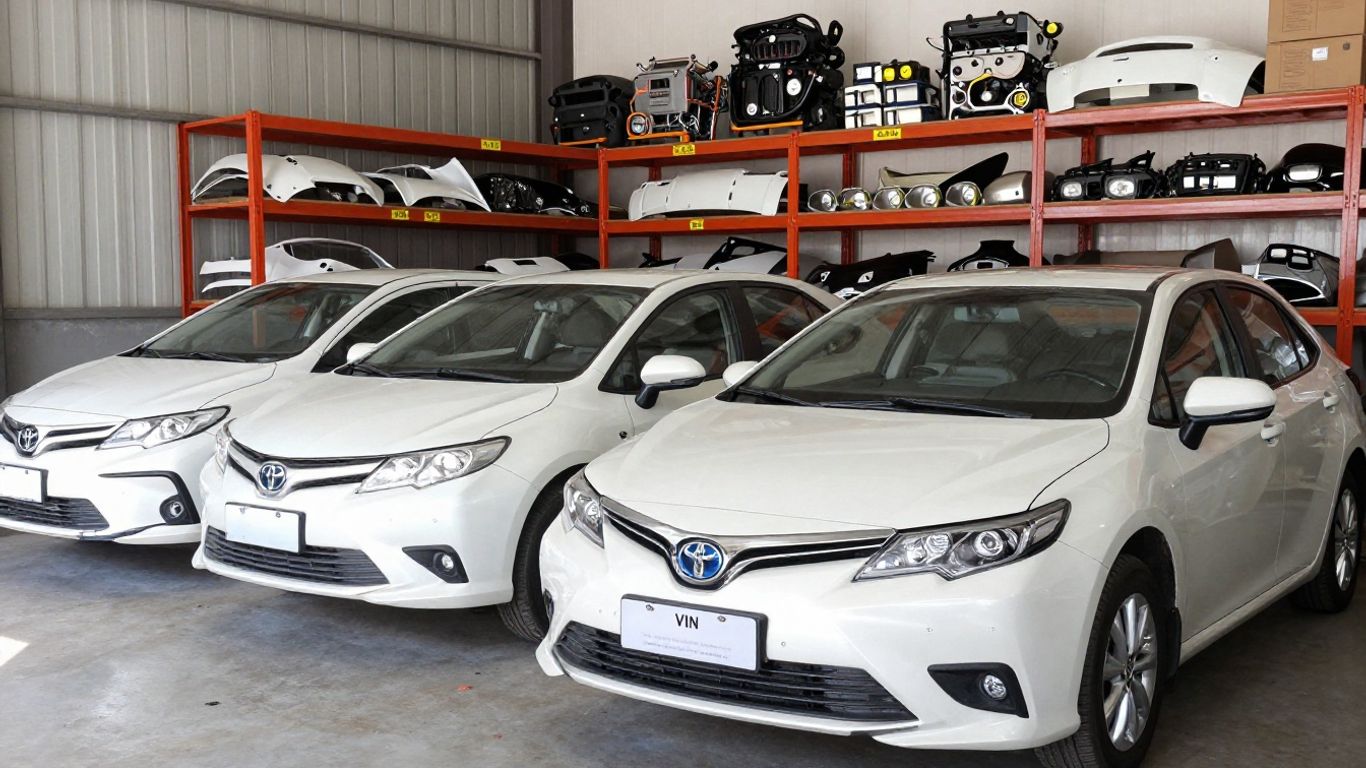
Start with the model badge, build year, registration details, body style, and variant where available. A Corolla sedan, hatchback, or wagon may use different body panels or interior pieces, while a RAV4 can vary according to drivetrain and generation. Photos of the vehicle and the existing part can add helpful context.
Do not rely on colour or appearance alone. Similar-looking panels, lamps, mirrors, and interior pieces can have different connectors or mounting points.
Using the VIN to confirm compatibility
The vehicle identification number can help a recycler narrow the search to the correct vehicle specification. Provide the complete VIN and ask the seller to compare it with the part number, donor vehicle details, or other available identification. This is especially useful when a model name covers several generations or engine options.
VIN information improves the search, but it does not remove the need to verify the actual part. Ask for photographs, measurements, connector details, or a part-number comparison when the component is not a simple visual match.
Matching engine, transmission, and body specifications
Mechanical components must be matched to the relevant engine and transmission specifications, not just the vehicle badge. Body parts may depend on the generation, body style, door count, lighting package, or equipment fitted to the car. A small mismatch can create extra labour if the part needs modification or cannot be installed.
When requesting a part, describe the complete vehicle and the repair symptom if appropriate. A knowledgeable parts conversation can reveal whether you need the component itself, an attached sensor, a mounting bracket, or a related installation item.
Common Toyota parts available from recyclers
Recyclers may have body panels, doors, mirrors, lamps, wheels, interior trim, engines, transmissions, suspension parts, cooling components, and electrical items. Availability changes as vehicles are dismantled and sold, so a request is usually more useful than assuming a specific part is always in stock.
A simple comparison can help organise the information you need before making contact. The exact details will vary by component, but the questions below keep the search focused.
| Part area | Details to confirm | Why it matters |
|---|---|---|
| Body and trim | Model year, body style, colour, side | Prevents visual but incorrect matches |
| Mechanical | Engine, transmission, mileage, part number | Confirms specification and likely condition |
| Electrical | Connector, sensor type, testing, coding | Reduces installation and compatibility problems |
| Interior | Trim level, colour, airbags, switch layout | Helps match visible and safety-related features |
Use the table as a starting point, then confirm the details directly with the recycler. A part that appears suitable in a listing still needs to be checked against the vehicle and the repair.
Popular Toyota models and parts in Ringwood
Ringwood searches often involve familiar Toyota models, but popularity does not make every part interchangeable. Each model spans multiple years and variants, and the same name can cover substantial mechanical or body changes. Treat the model name as the beginning of the enquiry, not the final compatibility check.
Corolla parts for common repairs
Corolla owners may look for replacement lamps, mirrors, doors, bumpers, interior pieces, suspension components, or engine-related parts. The correct choice depends on the Corolla’s generation, body style, engine, and equipment level. A photograph of the damaged component can help start the conversation, but the vehicle details should confirm the match.
For exterior parts, paint colour and side placement matter. For electrical and mechanical parts, connector shape, part numbers, and specification are often more useful than appearance.
Camry parts for mechanical and interior needs
Camry enquiries commonly cover mechanical components, cooling and suspension items, dashboards, seats, door trims, switches, and other interior pieces. Differences between model years and trim levels can affect both fit and finish. Confirm whether the replacement is intended for the same body generation and interior configuration.
Interior parts deserve a close colour and condition check because fading, wear, and stitching may vary even when the shape is correct. For mechanical components, ask about inspection details and any included accessories.
RAV4 parts for SUVs and four-wheel-drive systems
RAV4 parts may include body panels, tailgates, lamps, suspension items, driveline components, and interior fittings. Four-wheel-drive versions and two-wheel-drive versions can have different parts around the drivetrain and underbody. State the drivetrain and vehicle generation at the first enquiry.
SUV components can also be heavier or more expensive to transport than smaller trim pieces. Confirm dimensions, handling, and delivery arrangements before agreeing to the purchase.
Hilux, Kluger, and Tarago parts availability
Hilux, Kluger, and Tarago searches can involve very different part categories, from utility body panels and driveline components to SUV interior parts and people-mover seating or trim. Availability is shaped by the vehicles currently being dismantled, so it is sensible to provide the exact year and requested component. Older vehicles may benefit from this route when a new source has limited availability.
Ask whether the part is complete and whether associated brackets, wiring, keys, modules, or fasteners are included. Those details can affect whether the component is ready for installation or needs additional parts.
How to buy Toyota parts in Ringwood
Buying used parts is a short process when the enquiry is specific and the terms are clear. Have the vehicle information, the required component, and a few photographs ready before contacting a recycler. Then compare condition and support alongside price, rather than choosing from a number alone.
Checking current stock and part condition
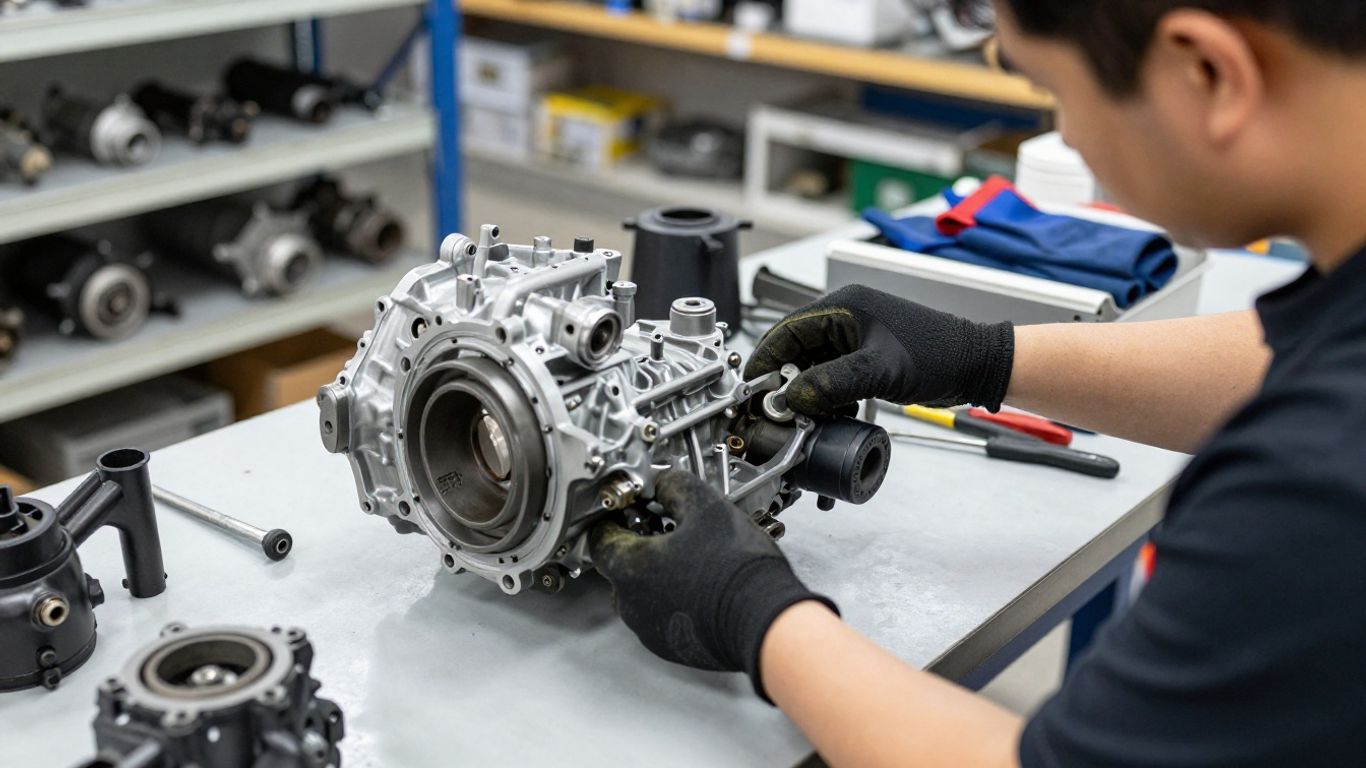
Ask whether the part is physically in stock, rather than relying on an old listing or a general model catalogue. Request current photographs showing mounting points, connectors, wear areas, and any damage. For panels and trim, ask about dents, scratches, fading, and matching colour; for mechanical parts, ask what inspection has been completed.
Stock can change quickly, especially for common repair items. Confirm the part is being held for you, if applicable, and clarify how long the quoted price remains valid.
Asking about mileage, testing, and previous use
For engines, transmissions, suspension parts, and electrical components, ask about the donor vehicle’s mileage when that information is available. Also ask whether the component was tested before removal or after dismantling, and whether its previous use is known. A straightforward explanation is more useful than a vague assurance.
A used part is easier to trust when its condition, identity, and limits are clearly explained.
After asking these questions, record the answers with the quote or invoice. This gives you a practical reference if you later need to discuss fitment or a return.
Comparing prices with dealerships and aftermarket suppliers
Compare like with like. A recycled part, a new genuine part, and an aftermarket replacement may differ in condition, included hardware, warranty, delivery time, and installation requirements. A low quote can change once freight, exchange components, programming, or labour is added.
Look at the expected service life and the importance of the component as well. Spending more on a part that is difficult to access may be sensible if it reduces the risk of paying for the same labour twice.
Arranging pickup, delivery, or installation
Confirm whether pickup, local delivery, or courier transport is available and whether the part needs special packaging. Large panels, glass, engines, and transmissions require more planning than small electrical or trim items. Check the delivery address, timing, freight cost, and responsibility for damage in transit.
Installation may be available through a workshop, but do not assume it is included in the part price. Ask for a written breakdown so the repair budget reflects the complete arrangement.
Quality, warranty, and fitment considerations
A used component can be a sound repair choice, but quality has to be assessed for the particular part. Fitment, condition, testing, warranty, and installation all influence the outcome. Take a little time before paying, especially where a wrong part would create significant labour or safety concerns.
Questions to ask before purchasing a used part
Ask for the exact part description, donor vehicle details, condition notes, included accessories, and compatibility information. You should also know the price, payment terms, warranty period if offered, and return conditions before the transaction is completed. Written details are helpful when a part has several similar versions.
For higher-value items, ask whether the part number and identifying marks can be photographed. If the answer to a basic fitment question is uncertain, pause and verify the vehicle information rather than guessing.
Understanding warranties and return conditions
A warranty may apply only to certain parts, faults, or installation methods, so read the terms instead of assuming every component has identical cover. Clarify whether labour, fluids, freight, diagnostic costs, or removal are included. Returns may also depend on the part being unmodified and installed by an appropriately qualified person.
Keep the invoice, photographs, part numbers, and communication together. If a problem occurs, these records make it easier to explain what was supplied and how the concern developed.
Inspecting electrical, mechanical, and safety components
Electrical parts should be checked for damaged plugs, corrosion, broken housings, and evidence of water entry. Mechanical components need attention to leaks, cracks, excessive wear, and missing fittings. Safety-related items such as airbags, seatbelt components, steering parts, and braking components require particularly careful sourcing and professional assessment.
Do not treat a clean appearance as proof that a part is serviceable. Ask what testing was performed and whether the component is suitable for the intended repair before installation.
Knowing when professional installation is required
Professional installation is appropriate when a part affects braking, steering, suspension, airbags, seatbelts, fuel systems, engine timing, or vehicle electronics. Some components may need calibration, coding, bleeding, specialist tools, or post-installation checks. A qualified technician can also identify related damage that is not obvious from the removed part.
If you are unsure, ask the recycler or repairer what the installation involves before purchasing. That advice can prevent a cheap component from becoming an expensive failed repair.
Making a cost-effective Toyota repair decision
The most economical repair is the one that solves the problem safely and predictably, not necessarily the one with the smallest part price. Consider the vehicle’s age, overall condition, intended ownership period, and the importance of the failed component. A clear comparison helps you decide without rushing.
Calculating the total cost beyond the part price
Add delivery or pickup costs, installation labour, fluids, seals, fasteners, programming, diagnostic work, and disposal fees where relevant. Also consider whether the replacement part requires another component to be transferred or replaced. These extras can be small individually but significant together.
Request an itemised estimate when possible. Comparing complete repair totals gives you a more realistic view of whether a recycled, new, or aftermarket option suits the vehicle.
Choosing recycled parts for older Toyota vehicles
Recycled parts can make particular sense for an older vehicle when a new component is costly, unavailable, or disproportionate to the car’s value. They can also help retain an original fit for body and interior components. Condition and warranty still matter, so the vehicle’s age should not lower your standards for safety or compatibility.
Consider the vehicle’s remaining service life and the likely quality of nearby components. A reliable used part may extend the vehicle’s usefulness without turning a modest repair into an uneconomic project.
Balancing genuine parts with aftermarket alternatives
A genuine recycled part may match the vehicle’s original design, while an aftermarket alternative may offer a different price or availability. The better choice depends on the component, the supplier’s specifications, the warranty, and the consequences of a poor fit. Compare verified details rather than assuming one category is always superior.
For visible panels, finish and alignment may guide the decision. For electrical, mechanical, and safety-related parts, documented compatibility and installation support deserve more weight than appearance.
Disposing of replaced parts responsibly
Do not leave removed batteries, oils, coolant, tyres, airbags, or electronic components with ordinary household waste. Ask the repairer or recycler whether the old part can be returned, reused, or processed through an appropriate recovery stream. Drainage and storage should be handled safely, particularly for fluids and damaged components.
Responsible disposal completes the repair properly. It keeps hazardous materials out of unsuitable waste channels and gives recoverable materials another chance to be used.
Conclusion
A careful search for Toyota parts Ringwood – genuine recyclers starts with accurate vehicle details and ends with a realistic repair plan. Confirm the part’s identity, condition, testing, warranty, fitment, and full installed cost before committing, and choose professional help whenever safety or complex electronics are involved.