

Key Takeaways
Finding the right recycled Toyota part is easier when you approach the search with accurate vehicle details and clear questions for the wrecker.
- Recycled parts may offer a practical alternative to replacing a vehicle or buying new components.
- Model year, generation, engine, transmission, and build details all affect compatibility.
- Commonly sourced items include mechanical parts, body panels, lights, interior pieces, and suspension components.
- Condition checks, testing information, warranty terms, and return policies should be discussed before purchase.
- A reliable Toyota wrecker should provide clear communication, sensible vehicle-removal information, and responsible recycling practices.
How Toyota wreckers in Ipswich help vehicle owners
A Toyota wrecker can help vehicle owners find usable components from vehicles that are no longer being repaired or returned to the road. The process often suits people dealing with accident damage, mechanical failure, discontinued trim, or an older vehicle that is still worth keeping. For Ipswich drivers, a local search may also make collection, inspection, and communication more straightforward. The phrase Toyota wreckers Ipswich – all models from 1990–2025 covers a broad search, so the right part still needs to be identified carefully.
What a Toyota wrecker does
A wrecker acquires end-of-life or damaged vehicles, assesses their usable components, and dismantles them for potential reuse. Parts are removed, stored, and matched with enquiries from people repairing similar vehicles. The available stock changes constantly because it depends on the vehicles entering the yard and the parts that remain suitable for sale. A good enquiry begins with the exact vehicle details rather than only a general model name.
Why recycled parts can reduce repair costs
A recycled part can reduce the amount spent on a repair because it gives the owner another option besides a new component or a major vehicle replacement. The saving depends on the part, its condition, availability, and the labour required to fit it. Mechanical items may need more careful assessment than a simple trim piece, while cosmetic panels can be especially useful when colour and shape are still suitable. A lower purchase price should be considered alongside testing, warranty coverage, and installation costs.
Used parts versus new aftermarket replacements
Used and new aftermarket parts each have a place in vehicle repair. A used original component may match the vehicle’s existing design and finish more closely, while an aftermarket item may be easier to order when availability is limited. Neither option should be selected on price alone. Compare the part number, condition, fitment information, delivery time, and any return terms before deciding.
When wrecking and dismantling services are the right choice
Wrecking services are worth considering when a vehicle has a damaged body but retains useful mechanical or interior components. They can also help owners keep an older Toyota running when a particular piece is no longer readily available through ordinary parts channels. Dismantling is less suitable when the replacement item is safety-critical and its condition cannot be verified. In those cases, professional assessment and installation deserve a place in the budget.
Toyota models from 1990–2025 commonly available for parts
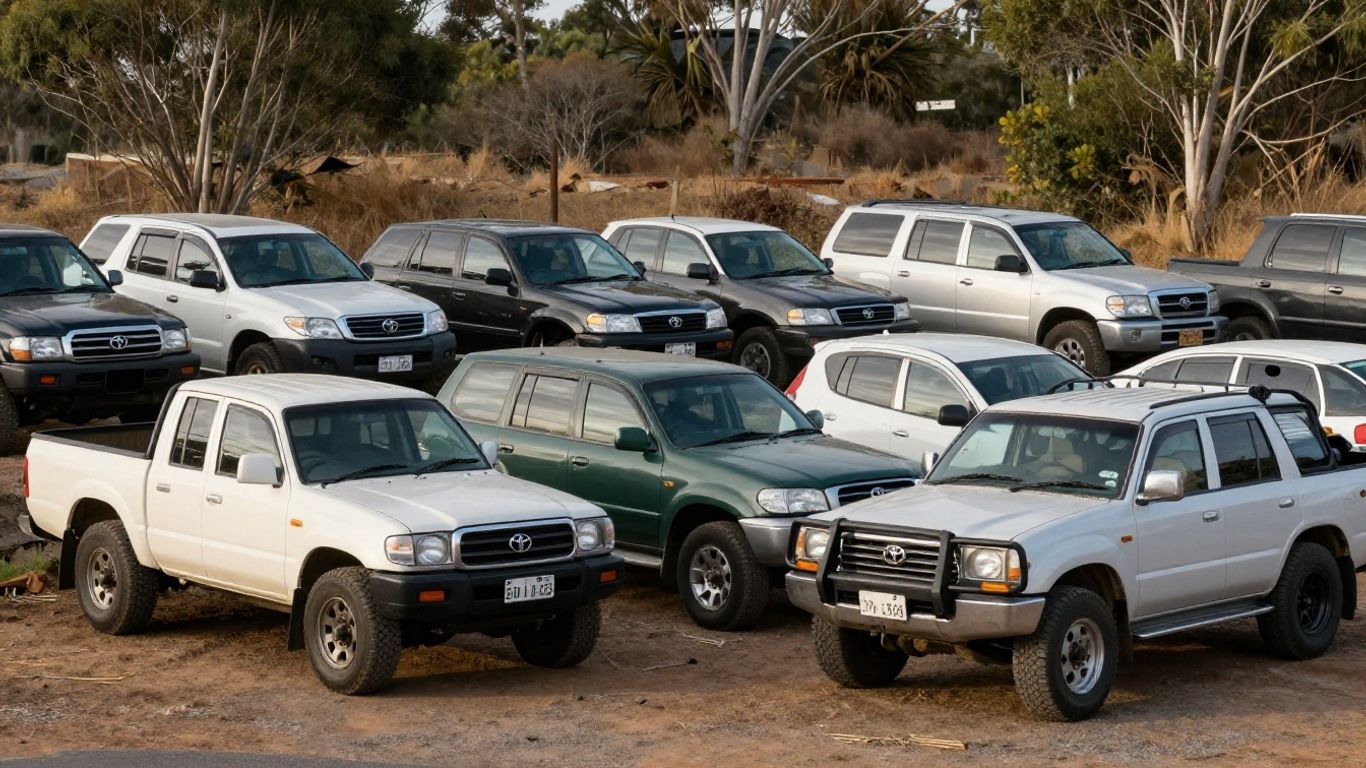
Toyota has produced a wide range of passenger cars, four-wheel drives, vans, and work vehicles across this period. Demand is usually strongest for models that were sold in larger numbers, but age, local usage, and accident patterns all influence what appears in stock. A vehicle from the same badge family may still use different parts across generations. Checking the exact build information remains more useful than relying on a model name alone.
Corolla, Camry, Yaris, and other passenger cars
Corolla, Camry, and Yaris owners may find enquiries for body panels, lamps, interior fittings, engines, transmissions, and smaller electrical components. Earlier passenger cars often require extra care because trim, connectors, and mounting points can change between updates. The same model badge may cover several generations with limited interchangeability. Give the wrecker the registration details or vehicle identification number whenever possible.
Hilux, RAV4, Kluger, and other popular SUVs and trucks
Hilux, RAV4, and Kluger parts are commonly sought for repairs involving bodywork, driveline components, suspension, lighting, and cabin trim. Trucks and SUVs can have substantial variation in drivetrain, cab configuration, equipment level, and wheelbase. A replacement part that appears visually similar may not bolt on or communicate correctly with the vehicle. Ask for a comparison against the original component before arranging payment.
HiAce, Prado, Land Cruiser, and commercial models
HiAce, Prado, and Land Cruiser vehicles may need parts that are specific to commercial use, heavier loads, four-wheel-drive systems, or larger body structures. Vans can also differ according to seating layout and body length. For commercial models, downtime matters, so it helps to establish whether the part is ready for collection or needs to be sourced. Photos of the original item and its mounting points can make the conversation more efficient.
Checking availability for older and less common Toyota models
Older or less common models may not be sitting in local inventory when you first ask. A wrecker may still be able to search stored stock, recent dismantling activity, or wider industry contacts, although availability cannot be assumed. Have several identifying details ready, including the year, body style, engine, transmission, and the part’s location on the vehicle. If the exact item is unavailable, ask whether a compatible version exists rather than accepting a guess.
How to identify the right Toyota replacement part
Part identification is where many avoidable mistakes begin. A model name can point the search in the right direction, but it rarely proves compatibility by itself. Build information, equipment level, engine type, and transmission can all change the component required. Clear identification also helps a wrecker give a more accurate price and delivery estimate.
Using the vehicle identification number and build details
The vehicle identification number is a useful starting point because it ties the enquiry to one particular vehicle. Build month, body style, drivetrain, and equipment can provide additional clues when a model changed during a production run. If the old part is still available, photograph its label, connectors, brackets, and mounting holes. Supplying those details early can prevent an expensive exchange later.
Matching model year, generation, engine, and transmission
Model year is only one part of the match. Confirm the generation, engine family, transmission type, drive arrangement, and whether the vehicle has a particular equipment package. Two vehicles sold under the same name may use different sensors, shafts, control units, or cooling components. A wrecker should be able to compare the proposed part with the information supplied before the order is finalised.
Comparing original equipment numbers and part labels
Original equipment numbers and labels provide another layer of verification. Compare the number on the old item with the number supplied by the wrecker, while allowing for superseded numbers or approved revisions. Physical appearance is helpful but should not be the only test. If the label is missing or unreadable, clear photographs and the vehicle identification number become even more valuable.
Confirming compatibility for hybrid and electronically controlled systems
Hybrid vehicles and electronically controlled systems require particular caution because a component may look correct yet depend on specific wiring, software, or control-unit arrangements. Ask whether the replacement was removed from a vehicle with matching system details. Do not assume that a conventional component can substitute for a hybrid or electronically controlled one. A qualified technician should handle testing and installation where high-voltage or complex electronic systems are involved.
Popular used Toyota parts to source from wreckers
The most useful enquiries tend to cover parts that are expensive new, difficult to find, or practical to replace with a matching used item. Mechanical components need a closer look at mileage and operating history, while body and interior pieces are often judged by visible condition and fit. Stock changes quickly, so photographs and part numbers can help narrow the search. The best choice depends on the vehicle’s condition and the repair’s purpose.
Engines, transmissions, and drivetrain components
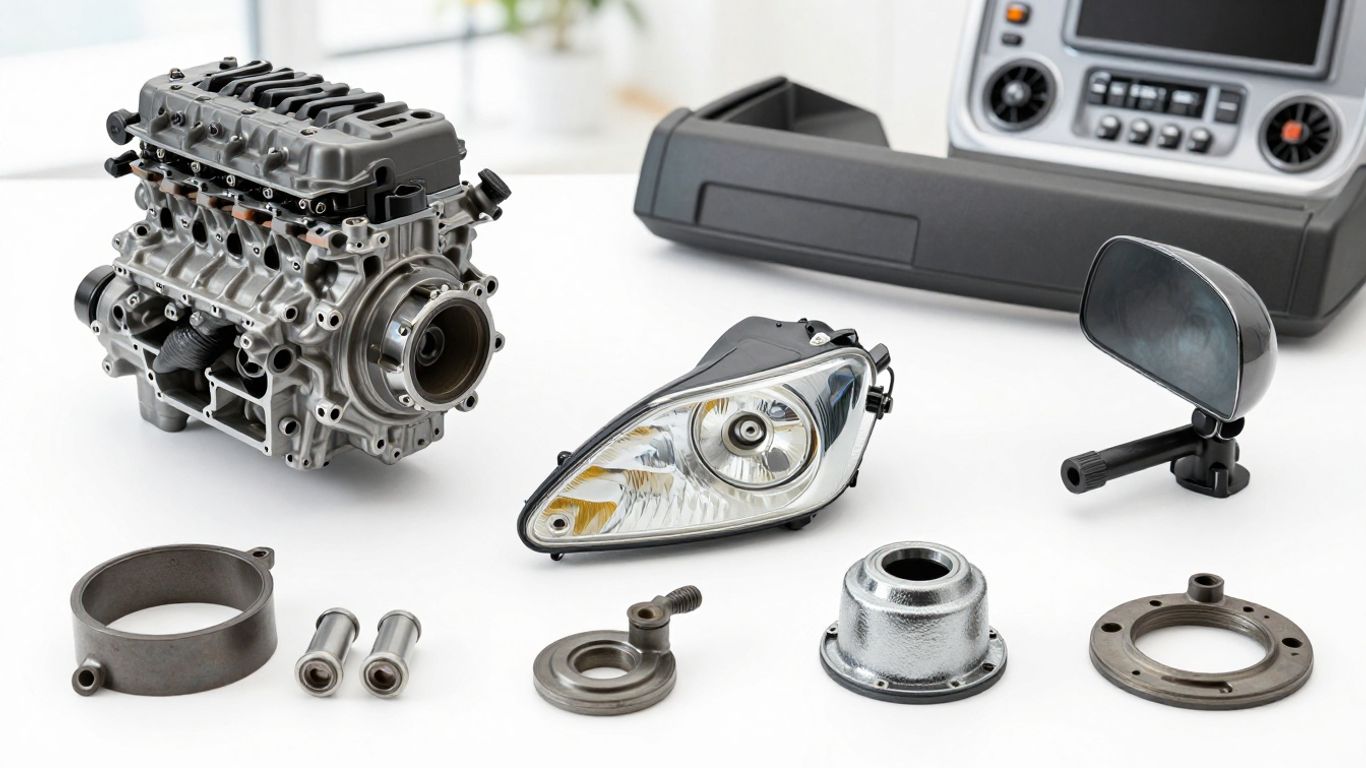
Engines, transmissions, differentials, driveshafts, transfer cases, and related components are frequently considered for older or damaged vehicles. These parts should be matched by engine code, transmission type, drive system, and build details rather than badge alone. Ask how the component was assessed and whether accessories are included. Installation may also require replacement seals, fluids, programming, or associated hardware.
Body panels, lights, mirrors, and exterior trim
Doors, guards, bonnets, bumpers, grilles, mirrors, headlamps, tail lamps, and exterior trim can be sensible used-part enquiries after collision damage. Check the panel’s edges, mounting points, corrosion, dents, and previous repairs. Colour matching may depend on the paint code and the condition of the rest of the vehicle. A part that needs repainting may still be worthwhile, but that cost should be included in the comparison.
Interior parts, dashboards, seats, and accessories
Interior components can restore a vehicle without requiring a complete refurbishment. Seats, dashboards, door trims, consoles, switches, steering wheels, and small accessories vary by trim level and safety equipment. Look for broken clips, stains, fading, water damage, and missing fasteners. When buying electrical interior parts, compare connectors and labels before assuming that a visually similar item will work.
Suspension, steering, braking, and cooling components
Suspension arms, steering pieces, brake-related components, radiators, fans, condensers, and other cooling items may be available from dismantled vehicles. These parts deserve a careful condition review because wear can affect safety or reliability. Ask whether the item is suitable for direct installation or whether it should be inspected or rebuilt first. The technician fitting the part can often advise which used components are sensible for the repair.
What to check before buying recycled Toyota parts
A recycled part is not automatically the right part, and a clean appearance does not reveal its full history. Before purchasing, establish what was inspected, what is included, and what happens if the fit is wrong. Written details are useful when the item is being shipped or collected later. A few direct questions can make the transaction much less uncertain.
Inspecting condition, wear, and signs of previous damage
Start by checking the areas most likely to affect fit or function: mounting points, connectors, seals, threads, housings, and moving surfaces. Look for cracks, corrosion, heat damage, fluid contamination, impact marks, and evidence of hurried repairs. For panels and trim, inspect clips and edges as well as the visible face. Request current photographs when an in-person inspection is not possible.
Asking about testing, mileage, and part history
Ask whether the component was tested before removal or after dismantling, and request any available mileage or donor-vehicle information. The answer may differ according to the type of part; an engine needs different evidence from a mirror or trim piece. If the history is unknown, treat that uncertainty as part of the buying decision. A clear explanation is more useful than an absolute promise about performance.
The right used part is identified by evidence, not appearance alone.
That principle is especially useful for electrical, mechanical, and safety-related components. Match the evidence to the risk of the part, then decide whether an inspection or professional test is needed before installation. It also gives you a sensible basis for comparing two otherwise similar offers.
Understanding warranties, returns, and exchange policies
Warranty and return conditions should be confirmed before payment, including the period, exclusions, and process for reporting a problem. Ask whether labour, freight, programming, or related damage is excluded. Some parts may need to be returned in their original condition or exchanged for an equivalent item. Keep the invoice, photographs, and written compatibility information until the repair is complete.
Evaluating shipping, pickup, and installation requirements
A part’s final cost includes more than its listed price. Check freight, packaging, delivery access, pickup times, and whether the component requires special handling. Large panels and heavy mechanical assemblies may need suitable transport or lifting equipment. Confirm who will install the part and whether calibration, coding, fluid replacement, or post-installation testing is required.
How to choose a reliable Toyota wrecker in Ipswich
The best choice is usually the business that makes the part-search process clear from the first conversation. Compare how carefully each wrecker records vehicle details, explains condition, and answers questions about delivery or collection. A large inventory can help, but useful communication matters just as much when the exact item is difficult to locate. Treat the interaction as part of the service, not an afterthought.
Comparing inventory, sourcing networks, and response times
Ask whether the business holds the required part locally or needs to source it elsewhere. A wrecker with broader sourcing access may have more ways to locate an older or less common component, but the expected timeframe should still be explained. Compare stock photographs, condition notes, dispatch arrangements, and response times. Fast communication is valuable, particularly when a vehicle is off the road.
Checking business reputation and customer feedback
Customer feedback can reveal whether a business communicates accurately, describes parts fairly, and handles problems after sale. Look for consistent comments rather than relying on one unusually positive or negative review. You can also ask a repairer whether the business is straightforward to deal with. Reputation is most useful when it supports the specific service you need, such as locating a difficult part or arranging delivery.
Requesting an accurate quote for parts and vehicle removal
Request a written quote that separates the part price from freight, taxes, fitting, and any removal or collection charge. If you are disposing of a Toyota, ask how its condition affects the offer and whether vehicle removal is available in your area. Provide honest information about whether it runs, rolls, or has accident damage. A detailed quote reduces surprises and makes different options easier to compare.
Confirming responsible recycling and end-of-life vehicle practices
Responsible dismantling involves more than removing parts that can be sold. Ask how fluids, batteries, tyres, metals, and unusable materials are handled, and whether the vehicle is processed through appropriate recycling channels. Good end-of-life practices protect the site, workers, and surrounding environment. They also make vehicle disposal feel like a considered part of the repair decision rather than simply a final chore.
Conclusion
Finding quality used Toyota parts in Ipswich comes down to accurate identification, realistic condition checks, and clear buying terms. Whether you need a panel for a newer SUV or a harder-to-find component for an older passenger car, provide complete vehicle details and ask practical questions before committing. A careful comparison of fitment, testing, warranty, delivery, and installation can make recycled parts a sensible way to keep the right vehicle on the road.