

Key Takeaways
A suitable used Toyota gearbox should be matched by transmission code, drivetrain, and specification—not just by vehicle name. Careful checks, clear freight arrangements, and a realistic installation budget make the replacement process far less risky.
- Confirm the gearbox type, transmission code, drivetrain, and engine details before ordering.
- Ask about mileage, testing, service history, condition, warranty coverage, and returns.
- Compare the complete delivered cost rather than looking only at the advertised gearbox price.
- Prepare for installation with suitable seals, fluids, mounts, and related component checks.
- Confirm freight access, packaging, insurance, tracking, and delivery arrangements in advance.
Understanding used Toyota gearboxes and compatibility
Toyota gearboxes vary considerably between models, engines, body styles, production years, and drivetrain layouts. A gearbox that appears suitable from a distance may have different ratios, mounting points, sensors, or bellhousing details. For buyers searching for Used Toyota gearboxes Townsville – freight available Australia-wide, compatibility should be settled before discussing price or delivery.
Manual and automatic gearbox options
Manual and automatic gearboxes require different checks because their controls, fluid systems, and installation requirements are not the same. A manual unit may need attention to the clutch, release mechanism, and linkage, while an automatic replacement may involve cooler lines, electronic connections, and fluid specifications. The replacement must match the vehicle’s original transmission type unless a properly engineered conversion is planned.
Do not assume that every gearbox listed for a model is interchangeable. Toyota vehicles can use several transmissions across one model range, and even apparently similar units may differ in gearing or control equipment. Ask the supplier to confirm whether the unit is manual or automatic and whether it was removed from a vehicle with the same relevant configuration.
Matching the gearbox to your Toyota model
The model name is only the starting point. Record the vehicle’s year, engine size, fuel type, body style, drive layout, and any four-wheel-drive or transfer-case arrangement. This information gives the supplier a much better basis for locating a suitable assembly.
A useful comparison should include the details that affect physical fit and operation. The table below provides a practical set of checks to make before approving a unit.
| Check | Why it matters | What to confirm |
|---|---|---|
| Vehicle model and year | Production changes can alter fitment | Exact series, build period, and body style |
| Engine specification | Different engines may use different bellhousings | Engine code or complete engine description |
| Drive layout | Two-wheel drive and four-wheel drive units are not automatically interchangeable | Drive type and transfer-case arrangement |
| Transmission code | The code identifies the assembly more precisely | Code stamped on the original or listed unit |
Use these details together rather than relying on one matching label. If the supplier cannot explain how the proposed gearbox matches the vehicle, pause the purchase and obtain clearer identification first.
Identifying transmission codes and specifications
Transmission codes may be stamped on the housing, shown on a vehicle identification record, or included in a supplier’s inventory description. Photographing the original gearbox and its identification markings can help when the vehicle is already dismantled. Also record connector positions, output shaft details, mounting brackets, and any attached components.
Ask whether the quoted unit includes external parts such as sensors, selector mechanisms, transfer cases, or brackets. A bare assembly may be mechanically suitable but still require parts from the original unit. Written confirmation is useful because it creates a clear reference if questions arise before dispatch.
Why drivetrain compatibility matters
Drivetrain compatibility affects more than whether the gearbox physically bolts into place. Differences in output shafts, final-drive relationships, transfer cases, electronic controls, and differential arrangements can create operating problems or prevent installation altogether. A mismatch may also lead to extra labor and parts costs after the old gearbox has been removed.
Before committing, compare the complete drivetrain specification with the replacement listing. Exact identification saves money because it reduces the chance of discovering an incompatibility when the vehicle is already on a workshop hoist.
How to choose a reliable used Toyota gearbox
A used gearbox is a component with a history, so the quality of the buying decision depends on the information available about that history. Price matters, but it should be considered alongside testing, inspection, storage, and warranty terms. A few targeted questions can distinguish a documented unit from one being sold with little useful detail.
Checking mileage, condition, and service history
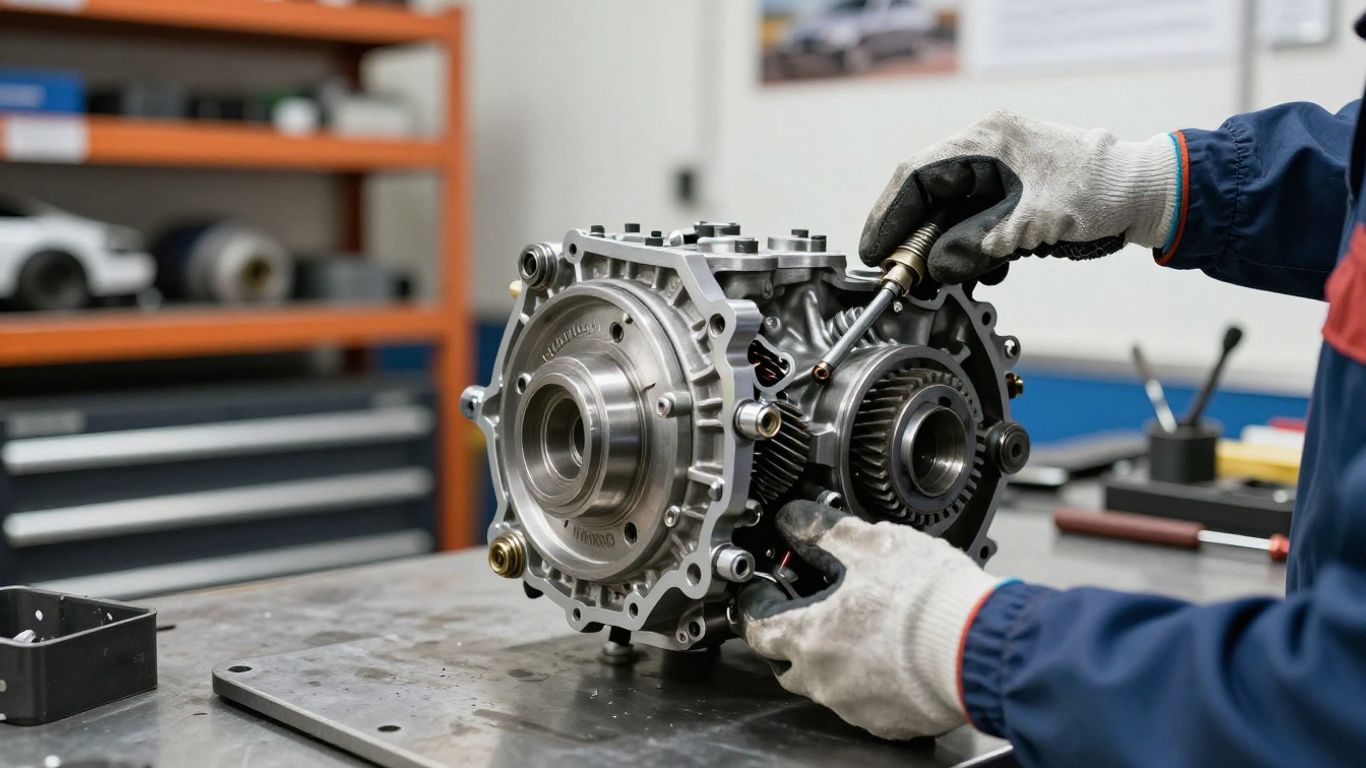
Ask for the donor vehicle’s mileage where it is known, along with its year, engine, drivetrain, and reason for dismantling. Mileage is not a complete measure of condition, yet it helps establish context. A gearbox from a well-maintained vehicle may be a better prospect than a lower-mileage unit with unknown use or damage.
Service history is especially useful for automatic gearboxes, where fluid condition and maintenance intervals can affect internal wear. Request any available inspection notes, photographs, fluid observations, or test information. If the history is incomplete, treat that uncertainty as part of the purchasing decision rather than filling the gaps with assumptions.
Assessing wear on internal and external components
External inspection can reveal damaged housings, cracked mounts, corrosion, leaking seals, missing sensors, and impact marks. These findings do not always prove that the internal assembly is unusable, but they should prompt specific questions before payment. Check whether the unit has been stored under cover and whether openings were protected from dirt and moisture.
Internal condition is harder to judge without testing or disassembly. Ask what checks were performed and whether the gears, bearings, shafts, selector operation, or hydraulic functions were assessed. A clear description of what was actually checked is more useful than a broad statement that the gearbox is in good condition.
Comparing tested, inspected, and reconditioned units
Terms such as tested, inspected, and reconditioned can describe different levels of work. Testing may refer to a basic operational assessment, while inspection may be limited to visible condition and selected checks. Reconditioning generally suggests that some components have been replaced or repaired, but the exact work still needs to be documented.
Ask for an itemised description of the process and distinguish included work from optional work. Compare like with like: a lower-priced tested unit may not offer the same preparation as a reconditioned assembly, while a higher price is not meaningful without supporting details.
Understanding warranties and return policies
Read the warranty before ordering, not after a problem appears. Check its duration, covered components, installation requirements, exclusions, claim process, and whether labor is excluded. Some warranties may require professional installation, approved fluids, or evidence that related faults were addressed.
Return conditions deserve the same attention. Confirm who pays freight, whether a restocking fee applies, how quickly a claim must be made, and whether the unit must be returned in a particular condition. Keep the invoice, photographs, correspondence, and installation records together in case the paperwork is needed.
Finding used Toyota gearboxes in Townsville
A local search can make inspection, collection, and communication easier, but location alone does not establish quality. Townsville buyers should compare the supplier’s information, handling process, and willingness to verify fitment. The best choice is usually the one that provides clear answers and a practical path if the unit proves unsuitable.
What to look for in a local supplier
Look for a supplier that can identify the donor vehicle, transmission code, mileage where available, and condition of the gearbox. Clear photographs and a written description are useful, particularly when the buyer cannot inspect the unit in person. Ask how parts are stored and whether the gearbox is drained and secured before collection.
Just Toyos Freight states that it can send large parts such as gearboxes across Australia. That capability may help a Townsville buyer compare local stock with suitable units held elsewhere, but the buyer should still verify the exact assembly and freight terms before purchase.
Questions to ask before making a purchase
A short, specific question list often produces better answers than a general request for a “Toyota gearbox.” Ask for the transmission code, donor vehicle details, mileage, included components, testing performed, warranty conditions, return procedure, and a delivered price. Also ask whether the unit is ready for installation or whether seals, sensors, brackets, or other parts must be transferred.
Just Toyos Freight describes careful packing and tracking for parts shipments. If ordering through a supplier with a similar freight process, ask what packaging will be used, which carrier will handle the shipment, and how damage or delay is managed. The answers should be recorded with the quote.
Comparing wreckers, recyclers, and specialist dealers
Different suppliers may have different strengths. A wrecker may offer donor-vehicle information and a broad range of used assemblies, while a recycler may focus on recovered parts and efficient stock handling. A specialist dealer may provide more detailed technical guidance or reconditioning options, though the actual service should be judged by the documentation supplied.
Compare the unit itself, not only the category of supplier. Consider identification, inspection evidence, warranty, returns, packaging, freight, and communication. A supplier who explains limitations honestly may be a safer choice than one who makes sweeping promises without details.
When local pickup is more practical than delivery
Pickup can be useful when the gearbox is available nearby, the buyer has suitable transport, and the supplier allows inspection before release. It may reduce freight handling and make it easier to check the housing, mounts, connectors, and included parts. Heavy automotive components still need safe lifting and secure transport, so plan those details before collection.
Delivery may remain preferable when the unit is better documented elsewhere or when the buyer lacks suitable equipment. Compare the convenience of pickup with the value of a more appropriate, better-supported gearbox rather than treating distance as the deciding factor.
Arranging freight across Australia
A gearbox is heavy, awkward, and vulnerable to impact, so freight planning should begin while comparing units. The quoted price may depend on destination type, access, packaging, dimensions, and whether delivery is to a business or residential address. Confirm these points before paying because a later change can affect both cost and timing.
How Australia-wide gearbox freight works
The supplier generally prepares the gearbox, protects exposed areas, and books a carrier based on the shipment’s weight and dimensions. The carrier may move it by road, with delivery arrangements varying between metropolitan, regional, and remote destinations. Provide the complete delivery address and identify any access restrictions at the outset.
Just Toyos Freight says it sends parts around Australia and tracks shipments. Buyers should request the consignment details once the gearbox is dispatched and check whether the quoted service is depot, business, or residential delivery. Those distinctions can affect the final handover.
Packaging requirements for heavy automotive parts
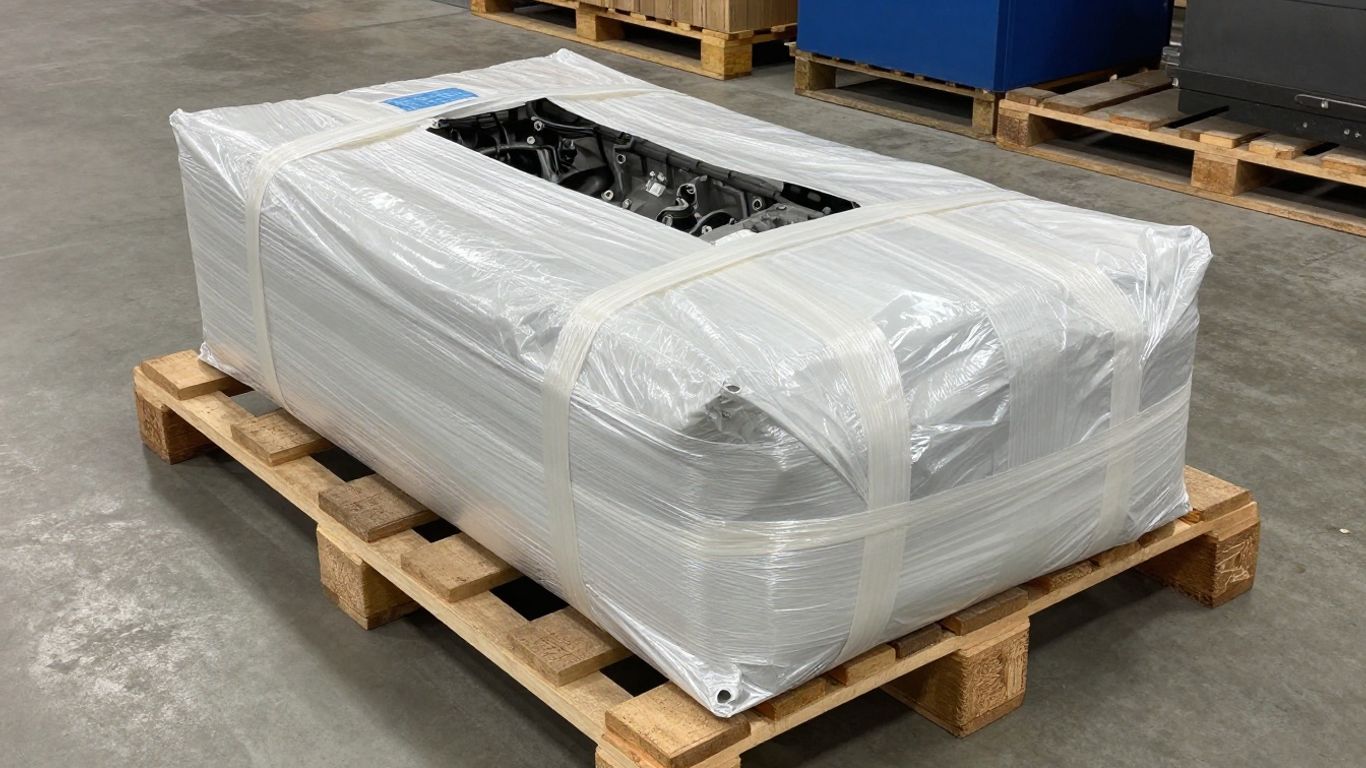
A gearbox should be drained as appropriate, protected against leaks, and secured so it cannot shift inside its packaging. Strong cartons, timber skids, pallets, or other suitable support may be needed depending on the carrier’s requirements. Delicate connectors, shafts, selector parts, and machined surfaces need protection from knocks and moisture.
Heavy parts should be packaged for movement, not merely covered for storage.
Ask for a photograph of the packed unit if there is any uncertainty about how it will travel. Good packaging reduces the risk of damage and makes it easier to identify whether an issue occurred before dispatch or during transit.
Delivery timeframes to major cities and regional areas
Delivery estimates depend on the route, carrier schedule, freight class, and destination access. Major cities may have more frequent services, while regional and remote areas can involve additional handling or depot collection. Weather, seasonal demand, and road conditions can also affect the expected arrival date.
Treat an estimate as a planning guide rather than a guarantee. If the vehicle is already dismantled, allow enough time for freight movement and inspection before booking installation. Confirm the expected dispatch date separately from the expected delivery date.
Tracking, insurance, and receiving the shipment
Request tracking information and ask what level of transit cover applies. When the gearbox arrives, inspect the packaging before signing where possible, then photograph visible damage, labels, and the condition of the unit. Note shortages or impact marks promptly and follow the supplier’s reporting procedure.
Do not discard packaging until the gearbox has been checked against the order. Keep the consignment record and delivery paperwork with the purchase documents. A careful receiving process gives the buyer stronger evidence if a freight or supply problem needs to be resolved.
Calculating the total cost of a replacement gearbox
The advertised gearbox price is only one part of the replacement budget. Freight, workshop time, fluids, seals, mounts, and possible follow-up work can materially change the final figure. A realistic estimate helps compare a used assembly with repair or reconditioning without relying on an attractive headline price.
Gearbox price versus reconditioning costs
A used gearbox may be the simpler option when a suitable, documented assembly is available. Reconditioning the original may make sense when the housing and major components are serviceable and the vehicle has a known transmission history. The right comparison should include what each option actually delivers and how long the work is expected to take.
Ask for a written scope before comparing prices. A reconditioning quote may change after disassembly, while a used-unit quote may exclude accessories or preparation. Keep those uncertainties visible rather than presenting two incomplete figures as equivalent.
Freight charges and delivery surcharges
Freight can depend on weight, package dimensions, destination, access, and service type. Residential delivery, tail-lift requirements, remote-area handling, and depot collection may each affect the charge. Ask whether the quote includes GST, insurance, packaging, and any stated surcharge.
A delivered price is easier to assess than a part-only price. If the destination is regional, provide the exact postcode and delivery conditions before approving the order. This reduces the chance of a revised charge after dispatch.
Installation labor and replacement parts
Workshop labor can include removal, cleaning, transfer of external components, installation, fluid filling, adjustment, and road testing. The job may also require seals, gaskets, filters, fluids, mounts, fasteners, or clutch-related parts. Automatic transmissions may require additional attention to cooler lines and fluid procedures.
Ask the installer what is included in the estimate and what would be treated as additional work. It is often cheaper to replace accessible wear items during the installation than to remove the gearbox again later, provided the parts are genuinely relevant to the vehicle and repair.
Core exchanges, deposits, and additional fees
Some transactions require the old gearbox to be returned as a core, while others involve a refundable deposit or a separate core charge. Clarify the deadline, collection method, acceptable condition, and responsibility for return freight. A damaged or incomplete core may not qualify for the expected refund.
Also ask about inspection fees, cancellation charges, storage costs, and payment surcharges. These terms may be minor compared with the gearbox itself, yet they can change the final budget. Written terms are preferable to an informal understanding.
Preparing for gearbox installation
Preparation starts before the replacement arrives. Confirming the unit and planning the workshop job can prevent a vehicle from remaining immobile while missing parts or compatibility questions are resolved. It also gives the installer time to identify related issues that could affect the repair.
Confirming the replacement unit before removal
Compare the delivered gearbox with the order before removing the original unit whenever possible. Check the transmission code, housing, mounts, connectors, output arrangement, and included components against the vehicle information. Photograph the original installation so brackets, wiring, and external parts can be positioned correctly later.
If the unit appears different or damaged, contact the supplier before installation. Installing an uncertain gearbox can complicate a return claim and create unnecessary labor costs. A short verification step is much easier before the workshop has committed to the job.
Inspecting related drivetrain components
The gearbox may not be the only source of a shifting, noise, or driveline problem. Inspect the clutch or torque-converter-related parts, driveshafts, differential connections, transfer case, mounts, cooler lines, wiring, and shifter mechanism as applicable. Existing damage can affect the replacement or produce similar symptoms after installation.
Ask the technician to report visible wear rather than authorising unrelated work automatically. The goal is to address components that affect the gearbox installation or reliability while keeping the repair scope clear.
Replacing seals, fluids, and mounting hardware
Accessible seals and gaskets are worth discussing before the gearbox is fitted, particularly if they show evidence of leakage or hardening. Use the fluid type and fill procedure specified for the vehicle and replacement unit. Mounting hardware should be checked for damage, corrosion, and correct fit.
Clean mating surfaces and protect openings from dirt during the job. These small preparation steps support a cleaner installation and reduce the likelihood of leaks or loose connections after the vehicle returns to service.
When professional installation is recommended
Professional installation is recommended when the gearbox is heavy, access is restricted, or electronic calibration, hydraulic procedures, or special lifting equipment may be involved. A qualified workshop can also document the work and perform checks before the vehicle is driven normally. This may be particularly valuable where warranty terms require evidence of suitable installation.
The buyer should still remain involved in confirming the part and approving additional work. Professional fitting does not replace the need to verify compatibility, warranty conditions, fluid requirements, and the condition of related drivetrain components.
Avoiding common used gearbox buying mistakes
Most costly mistakes happen before installation rather than during it. Buyers may focus on the vehicle model, rush to secure a low price, or overlook the practical details of freight and returns. A measured purchase process gives the gearbox a fair chance of fitting correctly and keeps the next steps manageable.
Choosing the cheapest unit without checking its history
The cheapest listing may omit mileage, donor details, testing information, included components, or warranty coverage. Those omissions can become costs later if the unit needs additional parts or fails to suit the vehicle. Compare the level of information and support as carefully as the dollar amount.
A slightly higher price can be reasonable when it includes clearer identification, inspection evidence, suitable packaging, and workable return terms. The decision should be based on risk-adjusted value, not the lowest number displayed in a search result.
Ordering by vehicle model without verifying the transmission code
A Toyota model can use more than one gearbox across its production run. Ordering from the model name alone leaves too much room for differences in engine, drive layout, gearing, sensors, and mounting points. Provide the code and supporting vehicle details before the supplier confirms the match.
When the code is unavailable, send clear photographs and the vehicle identification information available to you. Ask the supplier to state the basis for the match in writing. If the answer remains uncertain, continuing the search is safer than forcing an approximate fit.
Overlooking warranty terms and return conditions
A warranty is useful only when its conditions are understood and achievable. Check installation requirements, claim deadlines, covered parts, labor exclusions, fluid requirements, and return freight. Also confirm what happens if the gearbox is found to be incompatible before installation.
Keep every document associated with the purchase, including the listing, invoice, messages, photographs, and freight record. Clear records make it easier to follow the correct process if the unit must be returned or a claim needs to be considered.
Failing to confirm freight access and delivery details
Heavy freight cannot always be delivered like a small parcel. Confirm whether the address is residential, commercial, remote, or restricted, and whether a forklift, tail lift, depot collection, or appointment is required. Give the supplier accurate contact details and make sure someone can receive the shipment.
Ask when dispatch will occur, how tracking will be provided, and what to do if the package arrives damaged. Sorting out those details before payment prevents avoidable delays and gives the workshop a more reliable installation schedule.
Conclusion
Buying a used Toyota gearbox in Townsville can be straightforward when compatibility, condition, warranty, freight, and installation are considered together. Verify the transmission code and drivetrain first, compare the complete delivered cost, and keep written records from the initial enquiry through to delivery and fitting. That careful process helps turn a difficult repair into a controlled, practical replacement.