

Key Takeaways
Toyota wreckers can provide practical options for sourcing used parts, dismantling unwanted vehicles and recovering recyclable materials. A careful buyer or seller checks compatibility, paperwork, condition and removal arrangements before agreeing to anything.
- Full vehicle dismantlers assess cars, remove usable components and separate recyclable materials.
- Model, year, trim and part details all matter when matching Toyota replacement parts.
- Tested used parts may offer value, but condition, warranty and return terms should be clear.
- Vehicle sellers should prepare ownership details and accurate information about the car’s condition.
- Reputable wreckers explain their process, fees, pickup arrangements and recycling practices.
Understanding Toyota wreckers in Joondalup
Toyota wreckers Joondalup – full vehicle dismantlers can serve several needs at once, from finding a replacement mirror to disposing of a damaged car. Unlike a repair shop, a dismantler works with vehicles as collections of recoverable parts and materials. That makes the process useful for owners, repairers and people clearing an unwanted vehicle. The right choice depends on the car’s condition, the part required and how quickly it is needed.
What full vehicle dismantlers do
A full vehicle dismantler receives a vehicle, assesses what can be recovered and removes components in a controlled sequence. Usable engines, gearboxes, panels, lights, seats and smaller fittings may be separated for future sale, while fluids and remaining materials are handled through appropriate disposal or recycling channels. The work is more than simply storing old cars; it involves identification, handling and cataloging.
A dismantler can also help when a vehicle is no longer economical to repair. Instead of sending the entire car directly to scrap, the business may recover parts that still have serviceable value before the shell is processed.
Toyota models commonly handled by local wreckers
Local Toyota dismantlers may encounter a broad mix of sedans, hatchbacks, four-wheel drives, utes and people movers. Older high-volume models are often easier to match because more vehicles and replacement components have circulated through the market, although availability changes from one yard to another.
When contacting a wrecker, give the exact model, build year, body style and engine details if known. A photograph of the vehicle or the part can also reduce confusion, particularly when two versions of a model use different connectors, brackets or trim shapes.
Used parts, salvage vehicles and scrap materials
A dismantled Toyota can produce several categories of stock. Some components are suitable for direct replacement, some vehicles may be sold in damaged or incomplete form, and the remaining shell can be separated into metals and other materials. These categories should not be treated as interchangeable: a tested component, a salvage vehicle and a scrap body carry different risks and pricing.
The useful question is what outcome you need. Someone repairing a daily driver may want a tested alternator or door assembly, while a person clearing a driveway may care more about prompt removal and responsible disposal than individual parts.
When a wrecker is a better option than a repair shop
A repair shop is generally the natural place for diagnosis, installation and broader mechanical work. A wrecker becomes more attractive when the required component is discontinued, unusually expensive new, or available from a compatible donor vehicle. It can also be practical after collision damage, when several body and interior pieces are needed at once.
Before choosing, compare the complete cost rather than the sticker price alone. Include fitting, freight, inspection and the possibility that a low-cost part may need additional testing or refurbishment.
How the Toyota dismantling process works
Dismantling starts with an assessment rather than immediate removal of parts. The vehicle’s identity, condition and likely recovery value are considered before a sequence is planned. Fluids and hazardous items need attention before components are handled, and parts worth retaining must be separated from material destined for recycling. This orderly approach protects workers, buyers and the environment.
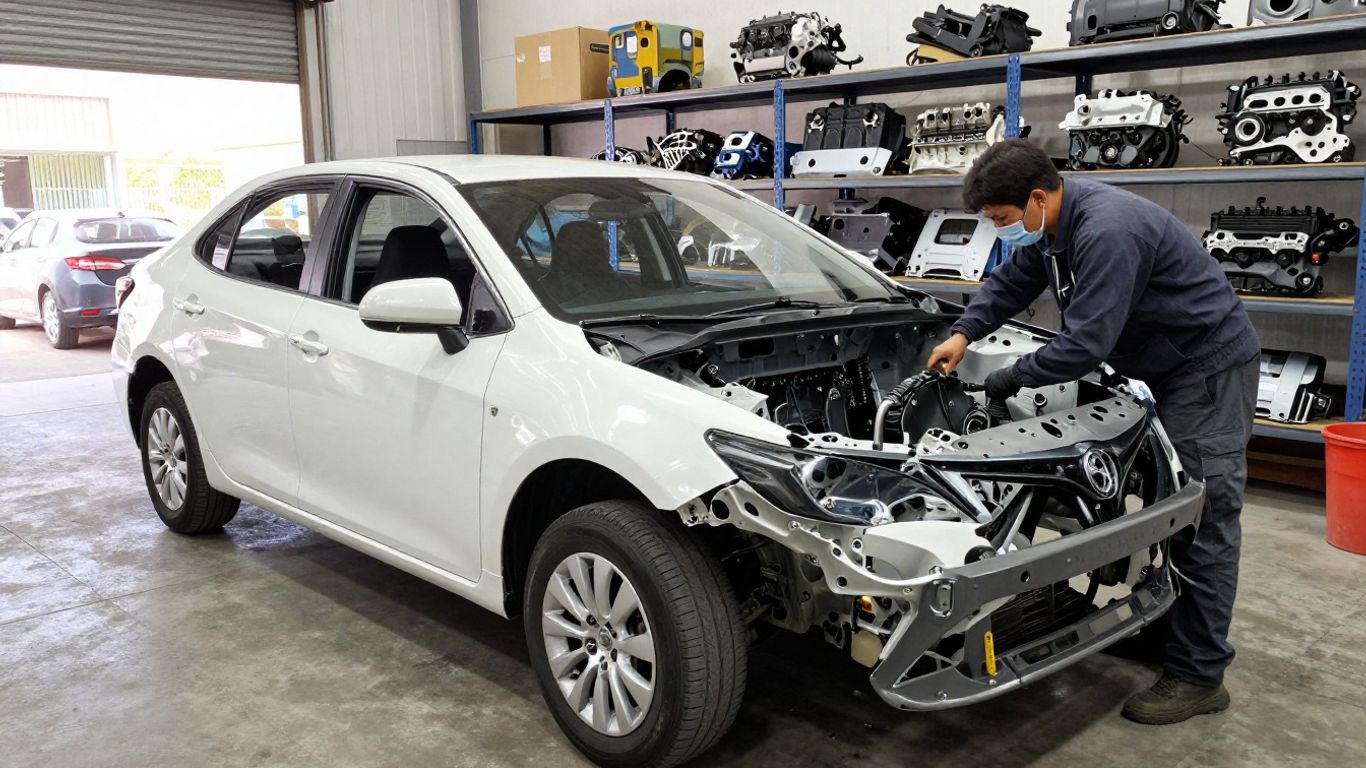
The exact workflow varies with the vehicle, its damage and the equipment available, but the main stages are broadly similar. Understanding them helps a vehicle owner ask sensible questions and set realistic expectations about availability.
Vehicle assessment and parts identification
The first stage is a visual and mechanical assessment. Staff may record the vehicle identification details, inspect damage, check major assemblies and identify components that appear suitable for recovery. They also consider whether a part is complete, damaged, heavily worn or likely to require further testing.
This step is especially relevant when a vehicle has been in a crash. A panel may look usable while its mounting points are distorted, and a component from a flooded or badly damaged car may not be worth retaining. Good assessment reduces the chance of unsuitable stock entering circulation.
Safe draining of fuel, oil and other fluids
Fuel, engine oil, coolant, brake fluid, transmission fluid and refrigerants require careful handling during dismantling. They should be removed with suitable equipment and stored or disposed of through appropriate channels rather than released onto the ground. Batteries, airbags and other potentially hazardous items also need controlled handling.
For a customer buying a part, this stage may not be visible, but it still matters. A clean, properly prepared component is easier to store, inspect and transport, while responsible fluid handling limits avoidable contamination around the dismantling site.
Testing, removing and cataloging components
After the vehicle is made safe, recoverable components can be removed and inspected. Depending on the part, testing may involve visual checks, electrical checks, pressure checks or examination for wear and damage. The item is then recorded with identifying details so it can be located and matched to an enquiry.
A part number remains useful even when the component looks familiar. Small changes between production years can affect mounting points, wiring and software compatibility. Asking for the recorded part number or clear photographs is often more reliable than relying on appearance alone.
Recycling shells, metals and unusable materials
Once valuable components are removed, the remaining vehicle is prepared for material recovery. Ferrous and non-ferrous metals can be separated, while materials that cannot be reused need a suitable disposal pathway. Tyres, glass, plastics and electronic items may each require different handling.
The result is a more complete process than abandoning a vehicle or sending every component to general waste. Buyers and sellers can ask how unusable materials are managed if recycling practice is part of their decision.
Finding the right Toyota replacement parts
Finding a part is not only a matter of locating a Toyota with the same badge. Engines, transmissions, body panels, wiring and interior fittings can vary by model generation, production year and trim. A clear request gives the wrecker a better chance of finding a match quickly. It also helps the buyer compare used stock with new alternatives on a like-for-like basis.
The safest approach is to begin with the vehicle’s identification details and the exact repair need. If a mechanic has diagnosed the fault, ask for the original part number or a written description rather than relying on a guess.
Mechanical parts for common repairs
Mechanical enquiries may involve engines, transmissions, suspension pieces, steering components, cooling assemblies, brakes or accessories. Each category has different inspection needs. For example, an external housing may be assessed visually, while an engine or gearbox calls for more detailed information about mileage, testing and prior operation.
Ask whether the component is complete and whether attached items are included. A replacement assembly that appears inexpensive may require extra brackets, sensors, hoses or labour before it can be installed.
Electrical, interior and body components
Electrical parts include items such as alternators, starter motors, switches, modules and wiring-related components. Interior stock can include seats, consoles, dashboards and trim, while body stock may cover doors, guards, bonnets, bumpers and mirrors. Appearance is relevant, but connectors and mounting points can matter just as much.
Photographs are helpful for colour, shape and visible damage, yet they do not establish electrical compatibility. For modules and sensors, confirm the part number and ask whether programming or calibration may be needed after installation.
Matching parts by model, year and trim
The model name is only the starting point. Provide the build year, body configuration, engine size, transmission type, drivetrain and trim level where possible. A vehicle identification number can assist with confirmation, although the wrecker or installer may still need to compare the old and replacement parts directly.
Here is a simple way to organize the information before making an enquiry:
| Detail to provide | Why it matters | Useful evidence |
|---|---|---|
| Model and build year | Narrows the generation and likely fitment | Registration or vehicle records |
| Engine and transmission | Helps distinguish mechanical and electronic variants | Mechanic’s notes or VIN data |
| Trim and body style | Identifies different panels and interior fittings | Vehicle photographs |
| Part number | Supports a closer component match | Label or photograph of the old part |
The more complete the information, the less time is spent comparing near-matches. If uncertainty remains, have the installer confirm fitment before purchase.
New aftermarket parts versus tested used parts
New aftermarket parts can be suitable where a predictable supply, fresh wear surfaces or a manufacturer-specific option is preferred. Tested used parts may make more sense for cosmetic panels, older vehicles or assemblies where a new replacement would cost considerably more. Neither category is automatically right for every repair.
Consider the part’s role, expected service life, installation cost and warranty. A low purchase price has limited value if the part is difficult to return or requires repeated labour to replace.
Buying used Toyota parts with confidence
Used parts can be a sensible way to keep an older Toyota on the road, but confidence comes from information rather than appearance alone. The buyer should understand where the part came from, what has been checked and what happens if it does not fit. These questions are normal and should be answered clearly. A careful purchase is usually faster than trying to resolve an avoidable mismatch later.
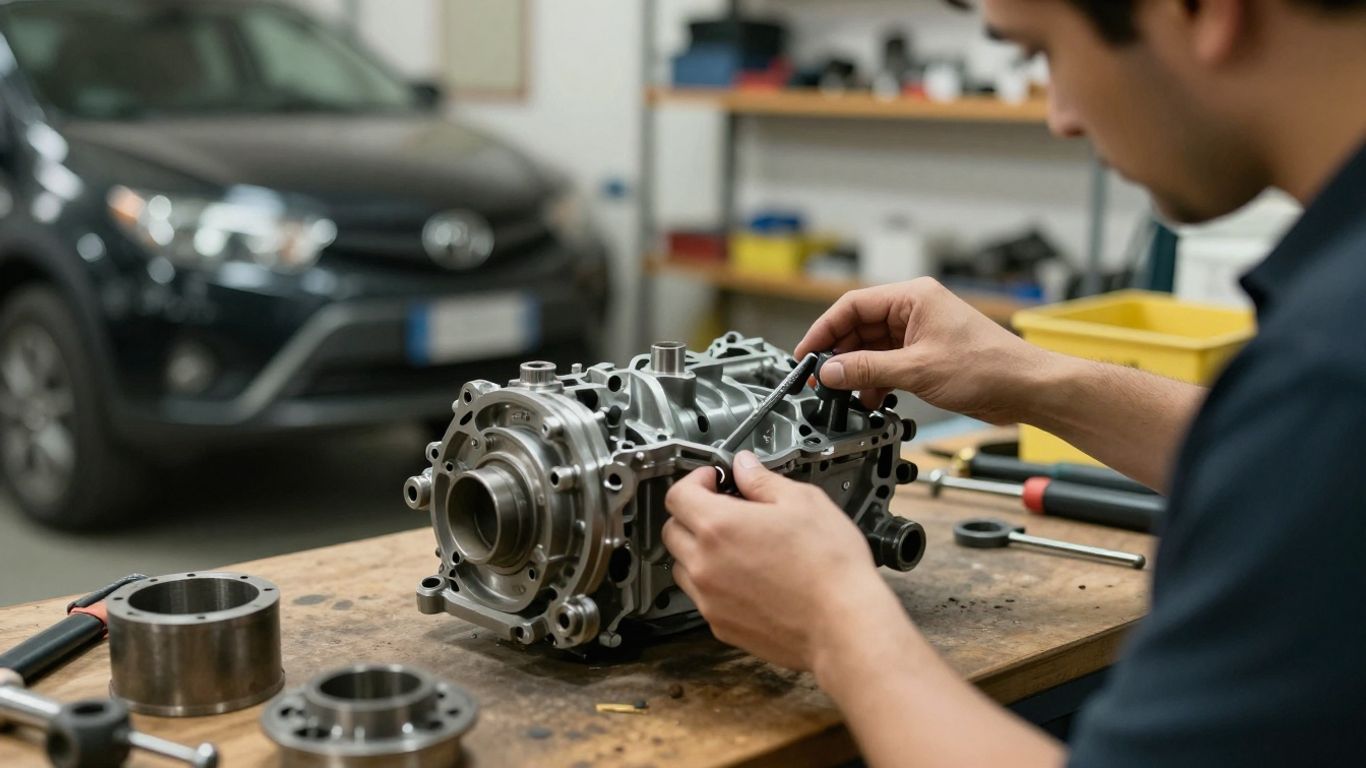
Before paying, record the part description, identifying number, condition and agreed terms. Keep photographs and written messages, particularly when the part will be collected by someone else or sent to a workshop.
Questions to ask about condition and compatibility
Ask whether the component was tested, whether it has visible damage and whether any accessories shown in the photograph are included. For mechanical assemblies, ask about mileage or operating history when that information is available. For body parts, check colour, dents, corrosion, mounting tabs and glass condition.
Compatibility should be discussed using the vehicle details and part number, not just a general statement that the item is “for Toyota”. If the seller cannot confirm a match, ask what information an installer would need before making the decision.
Checking warranties, returns and fitment support
Warranty and return terms vary, so read them before committing. Confirm the length of any warranty, what it covers, whether labour is excluded and how a claim is started. Also ask whether a return is accepted when the customer ordered the wrong variant rather than receiving a faulty part.
Fitment support can be valuable when several versions look similar. Even so, the purchaser remains responsible for supplying accurate vehicle information and checking that the proposed part suits the repair.
Comparing prices with dealerships and online sellers
A fair comparison includes more than the listed price. Add delivery, core charges, inspection costs, installation and the time involved in sourcing an alternative if the first part is unsuitable. Dealership stock may offer different documentation or supply conditions, while online listings may provide more choice but less local support.
The cheapest quote is not necessarily the lowest overall cost. A tested local part with clear return terms can be worthwhile even when another listing has a smaller headline price.
Arranging collection or delivery to Joondalup
Confirm whether the part is ready for collection, how it will be packaged and when it can be collected or delivered. Large panels, engines and glass need different transport arrangements, and fragile fittings should not be left loose in a vehicle. Give the wrecker accurate contact and delivery details.
For collection, check loading access and whether assistance is available. For delivery, ask about freight timing, tracking and responsibility for damage in transit. A short conversation beforehand prevents many practical surprises.
Selling or disposing of a Toyota through a wrecker
Selling an unwanted Toyota involves more than accepting the first estimate. The vehicle’s condition, completeness, location and paperwork all influence how straightforward the transaction will be. A wrecker may value a complete running car differently from a stripped shell or severely damaged vehicle. Clear information helps produce a more realistic assessment.
The process can be useful for cars that are old, damaged, unregistered or no longer worth repairing, but the owner should still understand what is being transferred and how the vehicle will leave the property.
How vehicle valuations are typically determined
A valuation may take into account the model, age, demand for parts, mechanical condition, body damage, completeness and current material value. The location of the vehicle and the effort required to load or transport it can also affect the offer. An accurate description usually produces a better starting point than an optimistic one.
Provide photographs of all sides, the interior, the engine bay and any major damage. Mention missing keys, flat tyres, non-running conditions or previous flood and collision damage before a final price is agreed.
Documents and ownership details you may need
Have identification, proof of ownership and vehicle details available where required. Registration information, the vehicle identification number, keys and finance details may also be relevant. Requirements can vary, so ask the wrecker what documents must be supplied before pickup or payment.
Do not hand over paperwork casually if ownership is unclear. Resolve finance, estate or shared-ownership questions first, and keep a record of the sale or disposal arrangement for your files.
Preparing a damaged, unwanted or unregistered vehicle
Remove personal belongings and check hidden storage areas before the vehicle leaves. Take photographs, collect spare keys and make a note of valuable accessories that are included in the agreement. If the car is damaged, tell the wrecker about hazards such as unstable panels, broken glass or blocked access.
An unregistered vehicle should not be driven on public roads simply to reach a yard. Explain its location and condition so the removal method can be planned safely and legally.
Organizing vehicle removal from your property
Give the wrecker the exact address, access instructions and information about the surface beneath the vehicle. A car in a narrow driveway, underground garage or soft ground may require different equipment than one parked beside an accessible road. Confirm whether removal is included and whether any fees apply.
Arrange a suitable time and keep the access route clear. Before the vehicle is taken, confirm the agreed price, payment method and documents, then obtain a receipt or other written confirmation.
Choosing a reputable Toyota wrecker in Joondalup
A reputable dismantler is transparent about what it can supply, how it handles vehicles and what the customer can expect. A polished website is not enough on its own, and a low quote does not prove that a service is unsuitable. Look for clear answers, consistent details and a process that respects safety and ownership requirements.
It is also sensible to compare the service with your actual need. A parts buyer may prioritize catalog accuracy and returns, while a vehicle seller may care more about prompt removal and straightforward payment.
Verifying licensing, recycling practices and experience
Ask whether the business operates with the approvals and processes required for vehicle dismantling and material handling in its area. Enquire how fluids, batteries, tyres and unusable materials are managed. Experience with Toyota vehicles can be useful, but it should be supported by accurate identification rather than vague assurances.
A responsible operator should be willing to explain its general process without making exaggerated environmental promises. If the answers are evasive, continue comparing options.
Evaluating customer service and parts availability
Good customer service is visible in the questions the wrecker asks. Staff should want the model, year, trim, part number and relevant condition details before confirming a match. They should also distinguish between a part that has been tested and one that is sold strictly as-is.
Ask how stock is recorded and whether photographs can be provided. Clear communication does not guarantee that the exact part is available, but it makes the search more efficient and reduces preventable errors.
Confirming pickup areas, payment terms and fees
Before agreeing to a sale or removal, confirm the service area, pickup timing, payment method and any charges. Ask whether towing, loading, storage, cancellation or special-access fees are included in the quoted amount. Written confirmation is preferable to an informal promise.
For parts, confirm freight, collection hours and packaging costs. For vehicles, make sure the final offer is not dependent on undisclosed deductions after arrival unless those conditions were explained in advance.
Warning signs of unreliable dismantlers
Be cautious when a business refuses to discuss identification, condition or paperwork, changes the price without explanation, or pressures you to decide immediately. Other concerns include unclear return terms, requests for unusual payment arrangements and reluctance to provide a receipt.
A single poor interaction may be a misunderstanding, but several warning signs deserve attention. Choose the operator that gives you enough information to make a calm, informed decision.
Conclusion
Toyota wreckers in Joondalup can connect vehicle owners with practical used parts while giving unwanted cars a structured route through dismantling and recycling. Whether you are buying a component or arranging removal, accurate vehicle details, clear terms and responsible handling are the foundations of a satisfactory result.