

Key Takeaways
A careful approach makes it easier to find suitable used parts and avoid expensive compatibility mistakes.
- Confirm the Prado’s engine, drivetrain, trim, VIN, and OEM part number before buying.
- Compare used, rebuilt, aftermarket, and new parts by total installed cost.
- Ask wreckers about testing, condition, warranty coverage, returns, and delivery.
- Inspect high-value mechanical parts more carefully than cosmetic components.
- Keep ownership, registration, and recycling paperwork organised when disposing of the vehicle.
Understanding what 2012 Toyota Prado wreckers offer
Wreckers dismantle vehicles and make usable components available for repair, maintenance, or restoration. For owners searching for 2012 Toyota Prado wreckers Adelaide, this can provide access to parts that are no longer readily available through ordinary retail channels. The right dismantler should be able to explain what is in stock, how the part was assessed, and whether it suits the buyer’s vehicle.
Common Prado parts available for reuse
A dismantled Prado may provide everything from a door handle or interior switch to a complete engine assembly. Availability depends on the vehicles recently received, their condition, and how quickly popular components are sold. Calling with a clear description of the required part usually produces a more useful answer than asking only for “Prado parts.”
Reusable parts often include body panels, seats, mirrors, suspension components, lights, cooling parts, engine accessories, and electronic modules. A part that appears ordinary may still be valuable when a matching replacement is difficult to source, particularly for an older vehicle with a discontinued trim component.
Mechanical, electrical, and body components
Mechanical components should be assessed for wear, leaks, corrosion, and evidence of previous repairs. Electrical parts need closer attention to connectors, wiring, water damage, and whether the original fault could have affected the replacement module. Body components are generally easier to judge visually, but colour, mounting points, dents, and hidden rust still matter.
Ask whether the component has been removed from a running vehicle, inspected after removal, or sold strictly as untested. Those descriptions are not interchangeable. A photographed panel and a tested alternator may both be used parts, yet the sensible buying questions and expected risk are quite different.
New, used, rebuilt, and aftermarket options
Used parts are not the only choice. A new genuine part may suit a safety-critical repair, while a rebuilt component can make sense where internal wear has been addressed. Aftermarket parts may offer a lower purchase price, but fit, material quality, warranty conditions, and installer experience should be considered before choosing them.
The most suitable option depends on the component and the vehicle’s intended use. For a cosmetic trim piece, a clean used part can be excellent value. For a braking or drivetrain component, documentation, testing, and a credible warranty may matter more than the lowest quoted price.
Why vehicle dismantling can reduce repair costs
Dismantling reduces costs because usable components can be recovered from vehicles that are no longer economical to repair as complete units. It also gives buyers an alternative to purchasing every replacement component new. The saving is real only when the part fits correctly and does not create avoidable labour or diagnostic expenses.
Before agreeing to a purchase, compare the part price with freight, installation, inspection, and any required programming. Total repair cost matters more than the figure on the initial quote, especially for electronic modules and major mechanical assemblies.
Identifying the right part for your Prado
A 2012 Prado is not defined by its model year alone. Engine type, transmission, drivetrain, market specification, trim, and optional equipment can all affect interchangeability. Slow, accurate identification is usually cheaper than returning an incorrect part after it has been shipped or installed.
Matching parts by model, engine, and drivetrain
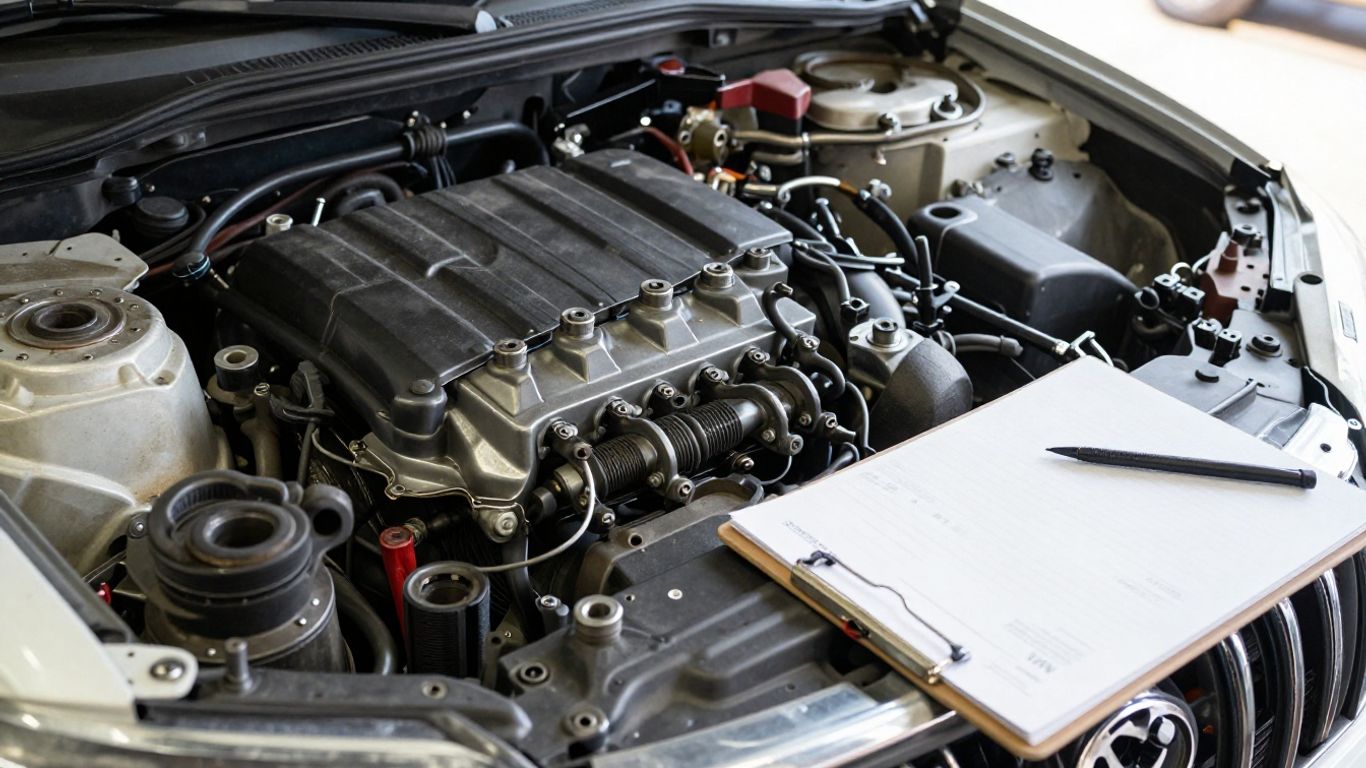
Start by recording whether the vehicle is petrol or diesel, the transmission type, and whether it uses the relevant two-wheel-drive or four-wheel-drive configuration. Major assemblies can look similar while using different mounts, sensors, connectors, or ratios. The vehicle’s service records and registration details can help establish the basic configuration.
For drivetrain parts, also confirm axle specifications, transfer-case details, and differential requirements where relevant. A seller may recognise the broad model immediately, but the final match should be based on identifying details rather than appearance alone.
Checking trim level and factory specifications
Trim level can change the equipment fitted inside and outside the vehicle. Seats, centre consoles, headlights, instrument clusters, audio units, and door trims may vary between grades or option packages. Colour and upholstery codes are useful for cosmetic parts, while factory specifications help clarify equipment that is less visible.
Photographs are helpful but should not replace measurements or part-number checks. When a component is difficult to identify, send clear images of the old part, its connectors, mounting points, and any stamped or printed codes.
Using VIN and OEM part numbers
The VIN is the strongest starting point for confirming the vehicle’s identity and production details. An OEM part number can then narrow the search further, although superseded numbers and regional variations still need to be checked. Give the seller both wherever possible, rather than relying on a casual description.
A useful request states the VIN, engine, transmission, body style, required component, and the number printed on the original part. This gives the dismantler several ways to verify the match and reduces the chance of a visually similar but unsuitable replacement.
Avoiding compatibility issues with imported vehicles
Imported vehicles may have equipment, lighting, emissions hardware, or wiring that differs from locally delivered models. Even when the body appears identical, a module or lamp assembly may use a different connector or compliance specification. Confirm the vehicle’s original market and compare the replacement with the part already fitted.
It is also sensible to ask about programming requirements before buying electronic components. A part can be physically compatible yet still need coding, calibration, or additional accessories before the vehicle operates correctly.
Finding reputable wreckers in Adelaide
Choosing a dismantler is about more than finding the lowest listed price. A reliable operator should communicate clearly, describe condition honestly, and make it possible to understand what happens if the part does not fit. Local access can also simplify inspection, collection, and returns.
What to look for in a local dismantler
Look for a business that can identify the donor vehicle, explain the part’s condition, and provide a written price or invoice. Clear contact details, a physical operating location, and consistent answers are reassuring signs. A dismantler that asks for the vehicle’s identifying information is generally taking compatibility seriously.
The best enquiry is specific and practical. Describe the part, provide the VIN or OEM number, and explain whether you need delivery or collection. This helps the business search its inventory efficiently and reduces vague back-and-forth.
Comparing inventory, pricing, and availability
Inventory changes constantly, so a phone conversation may reveal options that are not yet listed online. Compare at least the part number, condition, mileage or donor information where available, and the expected dispatch time. A cheaper part that takes weeks to arrive may not be better value for a vehicle already off the road.
Ask whether the quoted item is the exact component or a compatible alternative. Also clarify whether brackets, sensors, wiring, keys, remotes, or other attached pieces are included. Small omissions can create a second purchase and delay installation.
Checking warranties and return policies
A warranty should state what is covered, how long coverage lasts, and what the buyer must do if a fault appears. Return policies may exclude incorrectly ordered parts, electrical items, or components altered during installation. Read those conditions before payment, especially for expensive assemblies.
Ask whether labour, freight, diagnostic fees, and return shipping are excluded. A short written warranty with clear limits is more useful than a broad verbal assurance that provides no practical remedy.
Evaluating customer reviews and business credentials
Reviews can reveal patterns in communication, packaging, accuracy of descriptions, and after-sales support. One unhappy review does not establish a business’s overall quality, but repeated comments about incorrect parts or unresolved returns deserve attention. Check whether the business consistently identifies itself and responds professionally.
Credentials, trading details, invoices, and transparent terms also matter. These details do not guarantee a perfect transaction, but they give the buyer a clearer path to resolve a problem if the part arrives damaged or proves unsuitable.
Buying used Toyota Prado parts with confidence
Buying used parts becomes less uncertain when the transaction is treated like a technical purchase rather than an impulse bargain. The seller should know what the component is, where it came from, and what checks were performed. The buyer should know what evidence is needed before committing.
Questions to ask before purchasing
Ask for the donor vehicle details, part number, condition, test status, price, warranty, and return conditions. For mechanical assemblies, ask about mileage, storage, fluid contamination, and whether accessories are included. For electronics, ask about water exposure, connector condition, and programming requirements.
It is also worth confirming the exact dispatch date and packaging method. These questions are brief, but the answers can distinguish a carefully prepared component from one being sold with little useful information.
Inspecting photos and assessing part condition
Request clear photos from several angles, including mounting points, plugs, labels, seals, and damaged areas. Cosmetic marks may be acceptable on a door or trim piece, while cracks, broken tabs, bent mounts, or corrosion may make installation impractical. Compare photographs with the original component before approving the purchase.
Photos cannot reveal every problem, so ask directly about faults that may not be visible. A candid description of wear is usually more valuable than a polished image that leaves important details unanswered.
Confirming testing and quality-control procedures
Testing should be described in specific terms. A seller might confirm that an electrical unit was powered and checked, or that a mechanical part was inspected for obvious damage. If no testing has been performed, the buyer should understand that the price reflects greater uncertainty.
Ask how parts are labelled, stored, and checked before dispatch. For an engine or transmission, request any available compression, fluid, leak, or operational information, while recognising that used-component testing has limits. Documented checks reduce surprises, even though they cannot remove all risk.
A used part is a better purchase when its condition, limitations, and remedy are clear before payment.
After the checks are complete, compare the evidence with the warranty and installation plan. A part with modest cosmetic wear may be worthwhile when the fit is confirmed and the terms are fair; an untested safety-related component may not be worth the apparent saving.
Understanding shipping, pickup, and delivery arrangements
Confirm whether the part is available for local pickup, freight delivery, or both. Large panels and engines need suitable packaging and handling, while delicate electronic components should be protected from impact and moisture. Ask how damage in transit is documented and reported.
At collection or delivery, inspect the package before signing where possible and photograph visible damage. Keep the invoice, tracking details, messages, and photographs until the part has been fitted and tested.
Popular 2012 Toyota Prado parts worth sourcing
Some Prado components are attractive used purchases because they are costly new, difficult to find, or easy to compare visually. Others deserve more caution because their condition is hard to establish without specialist testing. The priority should be the component’s role, not simply its size or price.
Engines, transmissions, and drivetrain components
Engines, transmissions, transfer cases, differentials, and driveshafts can provide substantial savings when their identity and condition are documented. Confirm the engine code, transmission type, mileage information, included accessories, and warranty terms. Ask whether the assembly is complete or supplied without sensors, manifolds, wiring, or control units.
Installation costs can be significant, so fitment confirmation is essential. A lower-priced assembly that needs additional parts or extensive preparation may ultimately cost more than a better-documented option.
Suspension, steering, and braking parts
Suspension arms, hubs, steering components, calipers, and related hardware may be suitable for reuse when they are inspected for wear, damage, and corrosion. These are safety-related parts, so a visual inspection alone may not be enough. Confirm whether bushes, bearings, seals, or friction materials are included and usable.
For braking components in particular, factor in replacement wear items and professional inspection. Used parts can be sensible for some supporting hardware, but any component with uncertain structural or operating condition deserves caution.
Doors, panels, mirrors, and interior trim
Body and trim parts are often easier to source used because their condition can be assessed through photographs and physical inspection. Confirm paint code, panel alignment, mounting tabs, glass type, mirror functions, seat configuration, and trim colour. Small differences between grades can affect fit or appearance.
A matching used panel may avoid painting and reduce downtime. Still, ask about dents, repaired areas, rust, broken clips, and included hardware before comparing its price with a new or repairable alternative.
Electronics, lighting, and air-conditioning components
Electronic modules, switches, sensors, lamps, compressors, fans, and control panels can be useful used purchases, but their condition is less obvious than that of a body panel. Check connectors, part numbers, moisture exposure, and whether programming or calibration is required. Lighting components may also differ by market, specification, and compliance requirements.
Air-conditioning parts should be assessed alongside the vehicle’s wider system. A compressor or control unit may not solve the fault if the underlying issue is a leak, wiring problem, condenser fault, or incorrect refrigerant service.
Selling or disposing of a 2012 Toyota Prado
A Prado that is damaged, incomplete, or uneconomical to repair may still have value as a source of reusable parts and recyclable materials. Preparing accurate information helps a dismantler assess it fairly. It also makes the handover less stressful when registration and ownership details need attention.
Preparing the vehicle for an appraisal
Remove personal belongings, record the vehicle’s identifying details, and photograph its overall condition. Note whether it starts, drives, rolls, or has major missing components. Keep keys, service records, manuals, and useful accessories together because they may help establish value or simplify dismantling.
Do not attempt unsafe repairs merely to improve an appraisal. Instead, describe known faults honestly and identify damage caused by collision, flood, fire, or prolonged storage.
Documents needed for a wrecking quote
A dismantler may ask for proof of ownership, registration details, photo identification, the VIN, and information about the vehicle’s location. Requirements vary, so confirm them before arranging collection. If the vehicle is financed, written confirmation about the finance status may also be needed.
Keep copies of the sale or disposal paperwork and record the date the vehicle leaves your possession. These documents can help with insurance, registration, and later questions about ownership.
How vehicle condition affects the offer
The offer usually reflects the demand for usable parts, the vehicle’s completeness, damage, age, location, and likely recovery costs. A running engine, intact interior, straight panels, and complete electronic equipment may increase interest, but there is no fixed value based on model year alone.
Be precise about major faults and missing parts. A realistic description produces a more dependable quote than an optimistic one that changes after inspection or collection.
Environmentally responsible recycling and deregistration
Professional dismantling can direct reusable parts toward repairs and separate materials for recycling. Fluids, batteries, tyres, refrigerants, and other regulated items should be handled through appropriate processes rather than ordinary disposal. Ask how the dismantler manages the vehicle after collection.
Check the applicable South Australian registration and disposal requirements, then retain confirmation that the vehicle was sold, transferred, or dismantled. Completing the administrative steps protects you from future confusion about a vehicle that is no longer in your possession.
Comparing the total value of used Prado parts
A used part is worthwhile when it solves the repair at an acceptable level of risk and cost. The purchase price is only one part of that calculation. Freight, fitting, inspection, programming, consumables, and the consequences of a failed component should all be included.
Calculating savings against new replacement parts
Start with the installed price of the used part, then compare it with the installed price of a new genuine or aftermarket alternative. Include delivery, taxes, seals, fluids, belts, filters, and any parts that must be replaced during installation. This makes the comparison more realistic than placing two component prices side by side.
A useful comparison also considers availability. A slightly more expensive part that arrives promptly and carries clear warranty coverage may be preferable to a cheaper item with uncertain condition or timing.
Factoring in installation and inspection costs
Labour can outweigh the difference between two component prices, particularly for engines, transmissions, and difficult-to-access electrical units. Ask the installer whether the replacement will need diagnostics, coding, calibration, fluid changes, or related new hardware. Obtain those costs before authorising the work.
Have safety-related components inspected after installation. Spending a little more on verification may prevent a second repair, premature failure, or an unsafe vehicle.
Recognizing when a used part is not the best choice
A used part may be unsuitable when its service history is unknown, its failure would cause major secondary damage, or installation is so expensive that repeating the job would erase the saving. Parts with hidden wear, uncertain compatibility, or no meaningful remedy deserve particular caution.
New or professionally rebuilt components may be better for critical systems where reliability, warranty, and predictable service life are more valuable than the initial discount. The right decision depends on evidence, not the used label by itself.
Balancing price, warranty, and expected service life
A fair comparison weighs price against confidence. A documented, tested component with a practical warranty can justify a higher price than an untested item, while a clean cosmetic part may not need the same level of assurance. Consider how long you expect to keep the Prado and how heavily it is used.
The best purchase is usually the one with a clear fit, sensible condition, transparent terms, and a total cost that remains reasonable after installation. That approach keeps the saving meaningful rather than merely attractive at the point of sale.
Conclusion
Finding suitable parts through 2012 Toyota Prado wreckers Adelaide is easiest when identification, condition, warranty, and total cost are checked together. Whether buying a panel, electronic module, or major mechanical assembly, confirm the exact specification and ask practical questions before payment. A careful comparison can reduce repair costs while avoiding the inconvenience of an incompatible or poorly documented part.