

Key Takeaways
Finding the right Toyota part online starts with careful identification and ends with checking the full order terms. A few minutes spent comparing details can prevent a costly mismatch.
- Use the VIN and vehicle details to narrow down the correct part.
- Compare genuine and aftermarket options by fit, quality information, and warranty terms.
- Check seller details, fitment notes, and recent customer feedback.
- Compare part numbers and the full delivered price, not just the listing price.
- Read delivery, return, and warranty conditions before placing an order.
Identify the part your Toyota needs
A part that looks right in a photo may still differ by model year, trim, engine, or body style. Start with the vehicle details, then check those against the listing and, where possible, the part already fitted. If you’re searching for toyota auto parts online Australia, accurate identification is the step that makes every later comparison more useful.
Use your VIN, registration details, and model year
The VIN can help a seller or parts catalogue narrow down which vehicle you have, while registration details and model year provide useful cross-checks. Enter information carefully and compare the result with your vehicle’s documents rather than assuming a search tool has resolved every variation. If a listing or seller asks for more than one detail, supply it; matching several identifiers is safer than relying on a model name alone.
Check the model, trim, engine, and body style
Two Toyotas with the same model name can have different specifications, and those differences may affect which replacement part fits. Check the trim level, engine, body style, and any relevant production details against the item description. When a listing gives a range of compatible vehicles, make sure your exact version falls within it instead of treating a broad model match as confirmation.
Compare the old part’s number and specifications
If the old component is accessible, note its part number and compare its shape, connections, dimensions, and other visible specifications with the replacement listing. Part numbers can be more useful than a product title, but they should still be checked alongside fitment information. A short comparison table can help keep the details straight when you are reviewing several options:
| Detail to compare | What to check | Why it helps |
|---|---|---|
| Part number | Number printed or stamped on the old part | Helps distinguish similar components |
| Connections | Plugs, ports, mounting points, or fasteners | Reveals differences that a photo may hide |
| Dimensions | Measurements given in the listing | Helps confirm physical fit |
| Vehicle details | Model year, trim, engine, and body style | Checks compatibility against your Toyota |
Use the table as a cross-check, not a substitute for seller fitment confirmation where details are uncertain. If the number or specification differs, pause before ordering and ask the seller to confirm the match.
Choose between genuine and aftermarket parts
The right choice depends on the part, your budget, and the information available for the specific listing. Genuine, aftermarket, and used options may each suit different repair needs, but the label alone does not settle fit or quality. Compare the exact item and its terms rather than making the decision on category or price alone.
Understand what genuine Toyota parts offer
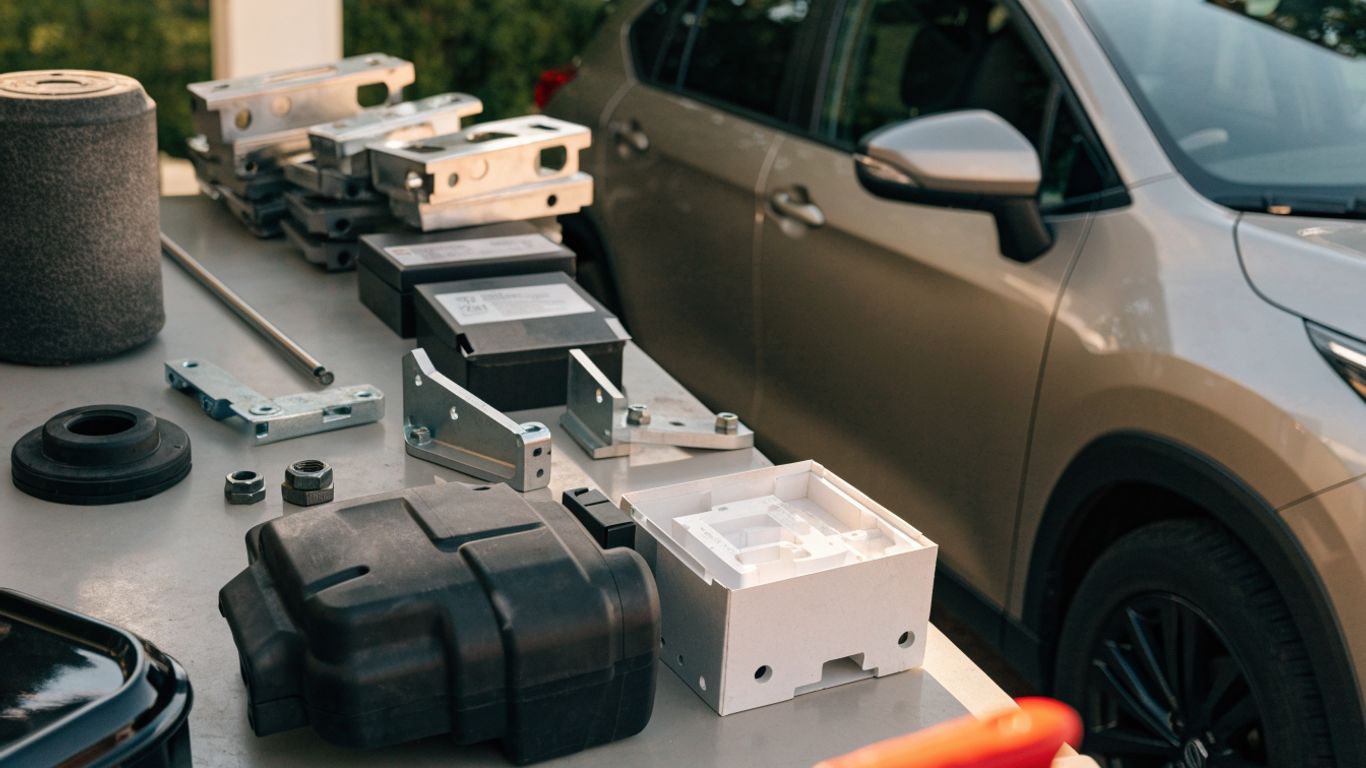
A genuine part may be the preference when you want a replacement identified as a Toyota part, but check that the listing clearly describes what is being sold and confirms compatibility with your vehicle. The supplier connects customers with quality used, genuine, and aftermarket parts through a car parts network, so you can consider more than one type of part while checking the details. As with any option, verify the part number and condition before committing.
Weigh aftermarket options for price and availability
Aftermarket parts can provide another option to compare when you are looking at price or availability. Check the maker, product description, fitment notes, and any included components instead of assuming that every item in the category has the same specification. This supplier’s stated offer includes quality used, genuine, and aftermarket parts, giving buyers categories to consider without removing the need to check each individual listing.
Check quality, warranties, and compatibility claims
Read the listing closely for condition, specifications, and the limits of any compatibility statement. A warranty can be useful, but its value depends on what it covers and how a claim must be made. The most convincing listing is not necessarily the one with the broadest claim; look for information that relates to your exact vehicle and the part being sold.
Find and evaluate online parts sellers
A useful parts listing is only one part of a satisfactory order; it also helps to know who is selling the item and what support is available. Take a moment to review the seller’s business details and policies before entering payment information. For an online purchase, clear information is a practical sign that you can follow up if a fitment question comes up.
Look for clear business and contact details
Check that the seller provides a business identity and a way to get in touch about product questions or an order. The supplier describes its business as connecting customers with quality parts across Melbourne, Sydney, Brisbane, and nationwide. Whatever the seller’s location, make sure its contact and order information is easy to find and that you understand how to ask for help before buying.
Check product listings and fitment information
Look for a specific description, usable images, condition details, and vehicle-fitment information rather than a generic title alone. If a detail that matters to your vehicle is missing, ask before ordering and keep the response with your order records. That simple step can clarify whether a listing’s compatibility claim actually covers your model, year, and specification.
Read recent reviews and seller policies
Recent reviews may help you understand how buyers describe communication, order handling, or the accuracy of listings, though an individual review is not a guarantee of your experience. Read the seller’s own policies too, especially where they explain returns, warranties, dispatch, or support. Treat feedback as one input alongside the written terms, not a replacement for them.
A clear answer to a specific fitment question is more useful than a vague promise that a part fits.
After reading reviews, use a direct question to test any uncertainty that remains. Save the reply and the listing details so you can refer to them if the item or order terms differ from what you expected.
Compare parts and prices before ordering
The lowest displayed price is not always the lowest-cost choice once delivery and the contents of the package are considered. Compare listings for the same part and specification, then calculate what the order will actually cost. A little consistency in the comparison makes it easier to spot when two listings only appear to be equivalent.
Match part numbers across listings
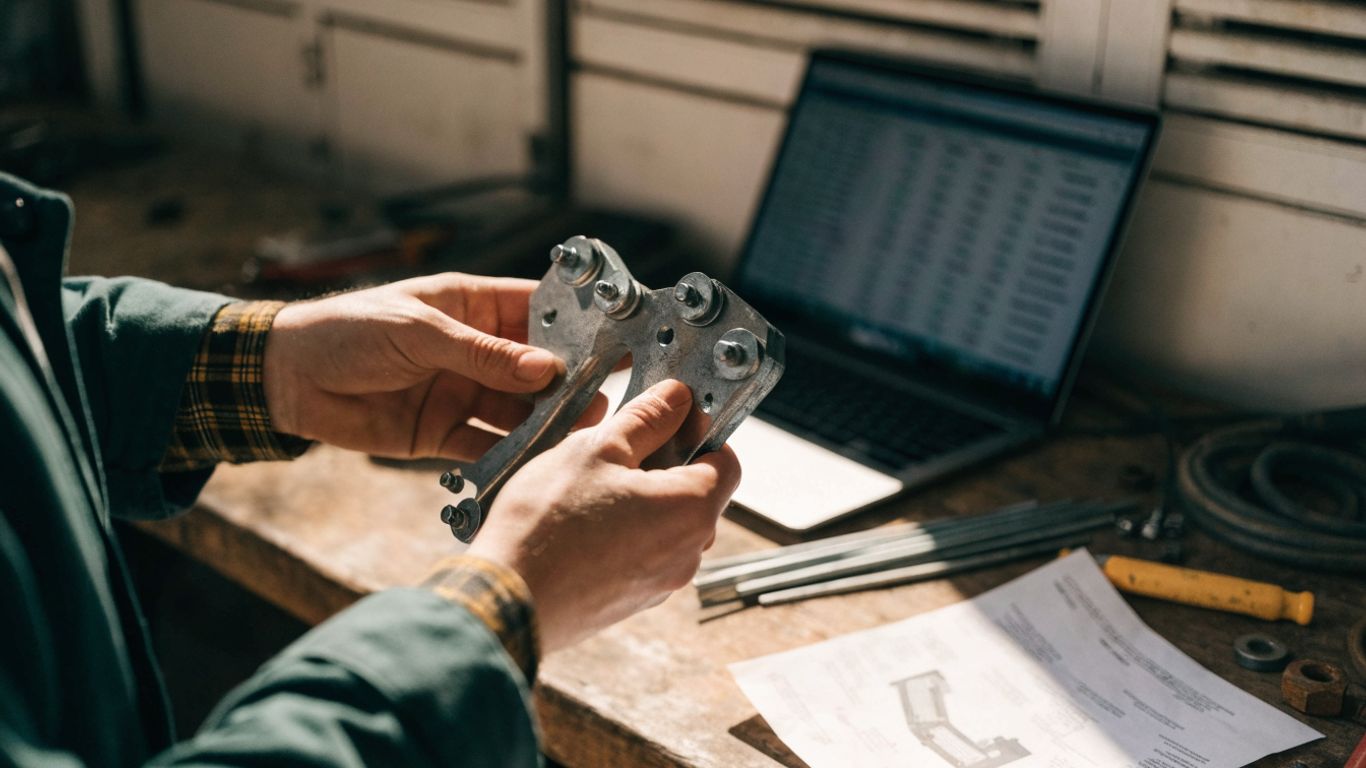
Start by comparing the part number, then confirm that the remaining fitment details also line up. A matching number can help narrow the search, while differences in condition, included hardware, or product specification may still explain a price gap. The supplier says it helps customers find parts fast and affordably across Melbourne, Sydney, Brisbane, and nationwide; regardless of where you are ordering from, verify the item itself before using price as the deciding factor.
Compare the total cost, including delivery
Delivery charges can change the value of an otherwise attractive listing, particularly when comparing sellers or destinations. Check the price of the item, shipping, and any stated additional charges before deciding. For a simple side-by-side check, note the components of the final total rather than comparing headline prices alone.
Check whether the listing is for one part or a set
A product image may show several pieces even when the listing price covers only one. Confirm the quantity, side or position where relevant, and whether clips, fittings, or related pieces are included. If the description is unclear, ask the seller to confirm exactly what will arrive; that answer can make a seemingly cheaper or more expensive option easier to judge fairly.
Understand delivery across Australia
Delivery expectations can vary with the seller, the item, and the destination. Before checkout, check how quickly an order is expected to leave the seller and how long delivery may take after dispatch. A delivery estimate is most helpful when you know what it includes and whether the stated service reaches your address.
Review dispatch times and delivery estimates
Look for separate information about dispatch and transit, since an order may take time to prepare before it is handed to a carrier. Check whether the timing is an estimate and whether it changes for items that require additional handling. If you need the part by a certain date, confirm the likely timeline before ordering rather than relying on a general estimate.
Check shipping costs for regional and remote areas
Shipping prices and delivery services may depend on the destination, so enter your full address or postcode where the seller’s checkout allows it. Ask about any regional or remote-area conditions before payment if the charge or delivery timeframe is not clear. Knowing the complete delivered cost helps you compare options fairly, especially when a listing price looks low but the final shipping cost is not shown upfront.
Ask how bulky or fragile parts are packaged
Large panels and delicate components may need different packaging from small, durable parts. If the item could be damaged in transit, ask how it will be protected and whether delivery requires someone to be present. The seller’s answer can help you plan for receipt and gives you a clear expectation of how the part should arrive.
Check returns, warranties, and order support
Even a careful search cannot remove every uncertainty, so understand what happens if a part does not fit or arrives in poor condition. Read the conditions before checkout and keep copies of the listing and order confirmation. Clear terms make it easier to act promptly if something goes wrong.
Read the return window and eligibility conditions
Check how long you have to request a return and whether the item must meet specific conditions, such as being unused or in its original packaging. Look for exclusions that may apply to particular parts or order circumstances. If you are unsure whether your situation qualifies, ask the seller before ordering and save the answer.
Confirm how warranty claims are handled
A warranty description should explain what is covered, how long coverage lasts, and what information is needed to make a claim. Check who handles the claim and whether you need proof of purchase or other documentation. Keep the terms with your order records so you can find them without relying on a product page that may later change.
Find out what to do if a part arrives damaged or incorrect
If an order arrives damaged or differs from the listing, contact the seller promptly and follow its stated process. Keep the packaging, take clear photos of the item and parcel, and avoid fitting a part until the issue is resolved. A record of the order, the original description, and your communication can make the next steps easier to explain.
Conclusion
Finding the right Toyota part online is a matter of checking details at each step: vehicle fitment, the part itself, seller information, total cost, delivery, and the terms for returns or warranty support. Take time to resolve uncertainties before checkout, and you are more likely to order a part that suits your vehicle and your needs.