

Key Takeaways
A little checking before you buy can prevent a costly mismatch or a frustrating delay. Use your vehicle details, the seller’s information, and the full delivered price to guide the decision.
- Confirm your model, year, variant, and VIN before choosing a part.
- Ask the seller to verify fitment and any updated or superseded part number.
- Compare the total cost, including shipping, pickup, and installation where relevant.
- Check seller details, product identification, and return terms before paying.
- Inspect the delivery promptly and compare the part with your order.
What Toyota genuine parts are and why they matter
When people search for Toyota genuine parts Australia, they are usually looking for a part identified as genuine for their vehicle, rather than a used item or an aftermarket alternative. The label alone does not settle whether a part suits a particular car, so the vehicle details and part identification still matter. Knowing how the options differ makes it easier to decide what to ask a seller before buying.
How genuine parts differ from aftermarket and used parts
A genuine part is offered as a part for the vehicle’s manufacturer and should be identified as such by the seller. Aftermarket parts are made and sold outside that genuine-parts channel, while used parts have been removed from another vehicle. Each category can involve different information about condition, origin, fitment, and returns, so compare the actual listing rather than relying on a category label alone. If you are considering Toyota Genuine Parts, ask the seller to confirm the product’s identification and application for your vehicle.
How Toyota designs parts for specific models
A part that looks similar to the one already fitted may still differ in its mounting points, connections, or other details. The available source describes Toyota Genuine Parts as purposely designed to integrate with Toyota vehicles, but that does not remove the need to check fitment for your specific model and variant. Production year, trim, engine, and market can all be useful details to share when asking about a part. The safest approach is to verify the exact application rather than infer compatibility from appearance.
When a genuine part may be the better choice
A genuine option may suit buyers who want the part identified for their vehicle through a Toyota parts channel and can confirm the fitment before purchase. An aftermarket or used option may also be worth considering, depending on the part, its condition, and the seller’s terms. Price is only one part of the decision: include the cost of correcting a mismatch or arranging another delivery in your comparison. The right choice is the one that meets your needs with clear identification and acceptable terms.
How to identify the correct part for your Toyota
A part search gets much easier once you can describe the vehicle precisely. Start with the details in your registration or service documents, then ask the seller to use them to confirm the application. A little care here can save time spent comparing listings that were never suitable in the first place.

Find your model, year, and variant details
Write down the model name, build or model year, variant, and relevant engine or body details before you browse. The registration documents and the vehicle identification plate can help you confirm information, though the exact location of labels varies by vehicle. Do not assume that two vehicles with the same model name use identical parts across every year or trim. Sharing the full set of details gives a seller a better basis for checking an application.
Use your vehicle identification number to check fitment
A vehicle identification number, or VIN, can help a seller identify the vehicle more precisely than a model name alone. Provide it through a suitable channel when requesting a fitment check, and ask the seller to confirm the result in writing before you place an order. A VIN is a useful cross-check, not a reason to skip questions about the exact item being sold. If the seller cannot confirm the application, pause and seek clarification rather than guessing.
Match part numbers and confirm superseded parts
If you have an old part number, compare it with the listing and ask whether it is current for your vehicle. Part numbers can change, and a seller may be able to explain whether a listed number replaces an earlier one. Keep the response with your order details so you can refer to it if the delivered item appears different. When comparing results, these distinctions can help you sort out what to verify:
| Detail to compare | Why it matters | What to ask |
|---|---|---|
| Part number | Helps identify the listed item | Is this number correct for my vehicle? |
| Superseded number | May connect an older reference to a newer one | Does this number replace the one I provided? |
| Vehicle application | Distinguishes similar-looking parts | Which model, year, and variant does it fit? |
| Included items | Clarifies what arrives in the package | Are any clips, seals, or fittings included? |
A matching number is useful evidence, but it should sit alongside a fitment confirmation and a clear description of what is included. If a number differs, get an explanation before paying rather than treating the difference as either automatically correct or automatically wrong.
Where to buy Toyota genuine parts in Australia
You can look for parts through authorised Toyota dealers, online parts retailers, or suppliers that can source items on request. The best route depends on whether you value in-person help, online convenience, or access to a wider parts network. Wherever you shop, make sure the seller can explain what the listing means and how fitment will be checked.
Order through an authorised Toyota dealer
An authorised Toyota dealer is a direct place to ask about a part described as genuine and its application to your vehicle. Provide your model details and VIN, and request confirmation of the part number, price, and expected availability. If you are visiting in person, bring the old part or a clear photograph only as supporting information; it is not a substitute for a fitment check. Ask what the order process involves before you commit, especially if the item needs to be brought in.
Compare reputable online parts retailers
Online retailers can make it easier to compare descriptions and prices from home, but the quality of the listing matters. Look for a clearly named seller, a specific part number or application, contact details, and written delivery and return conditions. A supplier with a wider parts network may also be able to help customers search across locations, including Melbourne, Sydney, Brisbane, and elsewhere in Australia. Treat that as a starting point for an enquiry, not proof that a particular item is in stock or fits your car.
Ask about sourcing parts that are not in stock
If a part is unavailable, ask whether the seller can source it and what information they need to search. Confirm whether the quoted timeframe is an estimate, whether the price could change, and whether the order can be cancelled if the item cannot be supplied. It is also worth asking whether the quoted part is new, used, genuine, or aftermarket, since availability alone does not answer that question. Written details make it easier to compare the offer with other options.
How to compare prices and understand the total cost
Two listings can look similar while covering different items or delivery arrangements. Compare the full amount you would pay and the details attached to each offer, not just the headline price. That broader view is especially useful when choosing between pickup and delivery or weighing a genuine part against another suitable option.
Check what is included in each listing
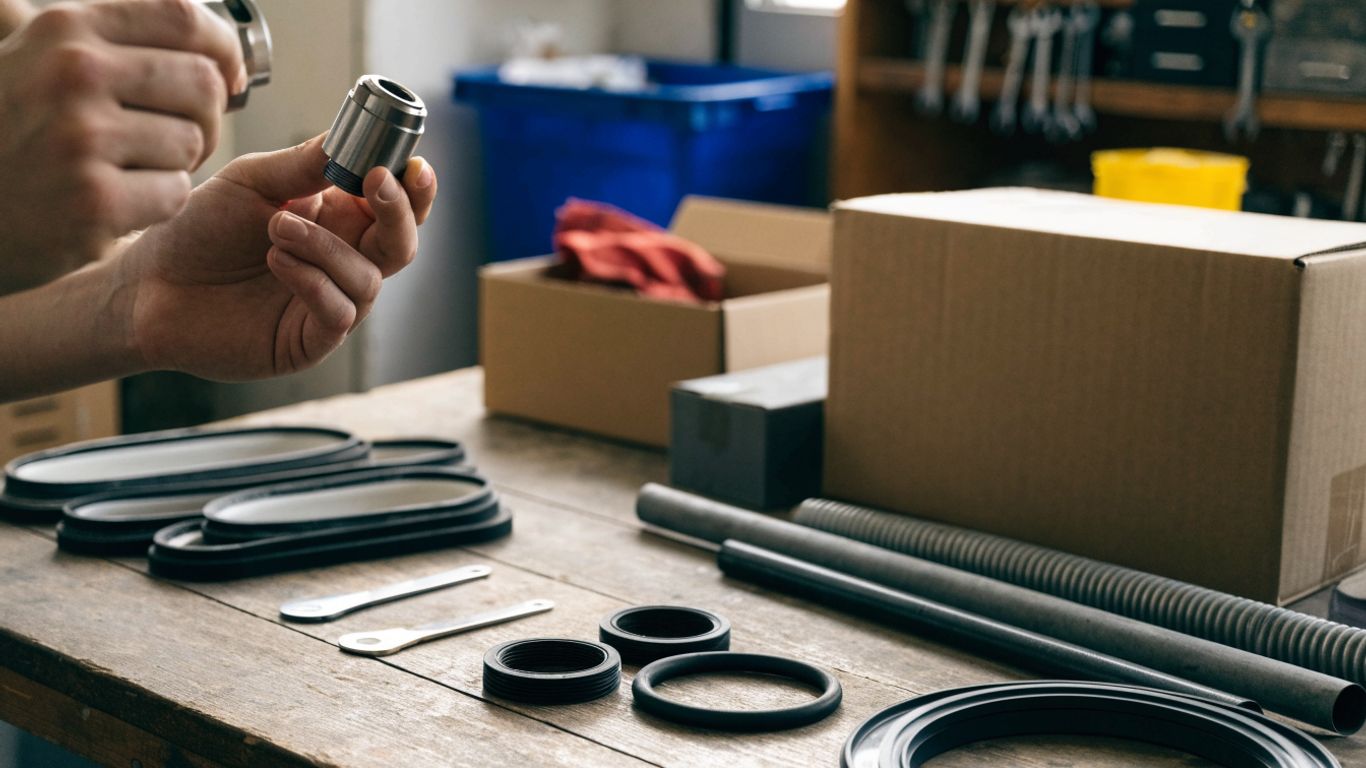
Read the description to see whether the price covers one part or a set, and whether any necessary fittings are included. If a listing is brief, ask for clarification before checkout rather than assuming the pictured components are part of the sale. This is also a good moment to verify the part number and the seller’s description of its condition and origin. A clear answer helps ensure the prices you compare are for like-for-like items.
Factor in shipping, installation, and local pickup
The final cost may include delivery, handling, or the expense of getting the part installed. Check whether local pickup is available and where it would take place; a lower item price may not be the lower total once travel or freight is considered. If a part requires professional fitting, ask a repairer for an estimate before comparing offers. Keep the item price and these additional costs together so the decision reflects the amount you are likely to spend.
Compare genuine parts with suitable alternatives
A lower-priced alternative is not automatically the better value, just as a genuine label does not automatically make every listing the right fit. Compare verified application, included items, condition, seller support, and return terms alongside price. The following principle is useful when the options are close:
Compare what each offer actually includes, not just the number shown beside it.
Then consider how much certainty you need about the item and what recourse you would have if it does not match the order. If those details are unclear, ask for them before treating the prices as comparable.
How to check a part’s authenticity before buying
Online descriptions and photos can help you assess a listing, but they may not prove where a part came from. Take time to check the seller’s identity and request specific product details, especially if the listing uses a genuine-parts label. Clear answers and consistent information are more useful than broad claims or a polished product image.
Review the seller’s credentials and product details
Check who is taking payment and whether the business provides contact information and written purchase conditions. If the seller says the part is genuine, ask how it is identified and whether they can confirm the relevant part number and vehicle application. A supplier that sells used, genuine, and aftermarket parts should be able to state which category applies to the item you are considering. Keep the listing and any written replies until the part has arrived and been checked.
Check packaging, labels, and part numbers
Before buying, ask what identifying details will be supplied with the part and whether the product photos show the actual item or a representative image. On delivery, compare packaging labels and part numbers with the order information, while remembering that packaging by itself is not conclusive proof of origin. If anything differs, contact the seller before installation and document the discrepancy with clear photographs. Do not alter or discard the packaging until the issue is resolved.
Be cautious of unusually low prices and vague listings
A price far below other offers can be a reason to ask more questions, particularly when the listing omits a part number, condition, or return policy. It does not prove that an item is counterfeit, but vague information makes it harder to judge what you are buying. Request the missing details and wait for a clear response before paying. If the seller cannot identify the part or explain the terms, choosing another clearly documented offer may be the more practical decision.
What to check before placing and receiving your order
Before checkout, bring the important details together: the vehicle information, confirmed part number, full price, and seller’s terms. Save the order confirmation and any fitment advice so you can check the delivery against what was promised. A few minutes of review can make it much easier to resolve a problem if the item is delayed or arrives differently than expected.
Confirm fitment, availability, and estimated delivery
Ask the seller to confirm the part fits your model and variant, and check whether the item is in stock or needs to be sourced. Get an estimated delivery date and clarify whether it is a target or a guaranteed date. For local pickup, confirm the collection location and when the order will be ready. These details help you plan without assuming that an online listing reflects current availability.
Review warranty, return, and exchange conditions
Read the written terms before paying, including any conditions for returning an incorrectly ordered or unsuitable part. Check who pays return shipping, how long you have to report an issue, and whether the item must remain unused or in its original packaging. If the listing does not explain the process, ask the seller to clarify it in writing. Do not assume that the same terms apply to every product or seller.
Inspect the part and verify it matches your order
When the order arrives, check the package for visible damage and compare the part, labels, and number with your confirmation. If something appears wrong, take photographs and contact the seller promptly, before installation or modification. Keep the packaging and delivery documents while the issue is being addressed. A quick, careful check gives you a clear record of what arrived and what needs to be resolved.
Conclusion
Buying Toyota parts in Australia is less about finding the first listing and more about verifying the details behind it. Confirm fitment with your vehicle information, compare the full cost and terms, and keep a record of what the seller has promised. With those checks in place, you can choose a genuine, aftermarket, or used option with a clearer understanding of what you are ordering.