

Key Takeaways
A careful check before ordering can save time and help avoid fitment surprises. Use the vehicle details, seller information, and total cost to make a considered choice.
- Confirm the vehicle’s model, year, trim, and VIN or chassis number before searching.
- Ask a Toyota dealer to check fitment when part details are uncertain.
- Review seller contact details, return conditions, and warranty terms before paying.
- Compare the full delivered cost, not just the listed part price.
- Keep order records and inspect the parcel before arranging installation.
Confirm the part your Toyota needs
Start with the vehicle details rather than a guess based on appearance. Small differences between model years or trims can affect which component is suitable. Taking a few minutes to gather the information below gives you a stronger basis for checking a listing or asking a seller for help.
Find your vehicle’s model, year, and trim
Write down the exact model name, year, and trim shown in your vehicle documents or owner information. If you know the engine or body style, note that too, since it may help distinguish between similar versions. Use the details as a set rather than relying on the model name alone when checking parts online.
Locate the VIN or chassis number
The VIN or chassis number can help a seller identify the vehicle more precisely than a broad model description. Check the number against your registration documents and the vehicle itself, taking care not to confuse characters such as zero and the letter O. Share it only through a seller’s appropriate order or inquiry channel, and confirm how it will be used if you have privacy concerns.
Check the part number on the existing component
If the old component is accessible, look for a printed, stamped, or labeled part number. Record it exactly, including letters, spaces, and suffixes, and compare it with any number shown in the listing. A matching number is a useful clue, but it should not replace a vehicle-specific fitment check where the application is uncertain.
Ask a Toyota dealer to verify fitment when details are unclear
When the number is missing or the vehicle has been modified, a Toyota dealer may be able to help check which part is appropriate. Give them the VIN or chassis number and a clear description of the component and its location. Keep the response or reference details so you can compare them with the seller’s listing before placing an order.
Choose a reliable online seller
A clear listing is only part of a good buying experience; you also need to understand who is taking the order and what happens if something goes wrong. Check the seller’s identity, contact options, and written terms before entering payment details. These simple checks make it easier to resolve questions about the item, delivery, or a return.

Check whether the seller is an authorized Toyota dealer
If buying through a Toyota dealer matters to you, look for the seller’s stated dealer status and verify it using an official Toyota dealer directory or by contacting the dealer directly. Do not assume that a site is authorized merely because it uses Toyota-related wording or imagery. Ask the seller to clarify the source of the part if the listing leaves that point uncertain.
Look for clear business and contact details
A seller should make it reasonably easy to identify the business and get in touch. Look for a business name, physical or mailing address, working email or phone contact, and information about order support. If you need clarification, send a specific question before buying and note whether the response actually addresses it.
Review the returns policy and warranty terms
Read the terms before checkout, not after a part arrives. Pay attention to time limits, return shipping, restocking charges, and any conditions for parts that have been opened or fitted. Warranty coverage can vary by seller and item, so keep the written terms rather than relying on a brief product-page statement.
Distinguish genuine Toyota parts from aftermarket alternatives
Check how the listing identifies the item and whether the seller states that it is a Toyota Genuine Part. Toyota Genuine Parts are described as purposely designed to integrate seamlessly with Toyota, but that does not eliminate the need to verify the particular item’s fitment. If a listing uses vague terms or mixes several product types, ask the seller to confirm exactly what will be supplied.
Search for and verify the right part
Once you have the vehicle information and a seller you can contact, search carefully rather than choosing the first result that looks familiar. Product titles can be abbreviated, and two listings may use similar photos while describing different items. Compare the specific details and ask about anything that does not line up.
Search by part number for a closer match
Entering the complete part number can narrow the results and make comparisons more useful. Check each character and any suffix, then look for the same number in the listing details rather than trusting the title alone. Toyota Genuine Parts are described as designed to integrate with Toyota, but confirming the correct number for your vehicle remains an important step.
Compare product descriptions and compatibility notes
Read the full description for stated model years, trims, engine details, and other fitment limits. Compare those notes with your own vehicle information, and treat missing or broad compatibility language as a reason to ask a question. A listing that clearly states what it fits is easier to assess than one that relies on a generic title.
Check photos, packaging details, and included components
Photos can help you compare shape, connectors, mounting points, and what appears to be included. They are not proof of fitment or authenticity, so use them alongside the part number and written description. If a kit, clip, gasket, or other component appears important but is not mentioned, ask whether it is included before you order.
Confirm superseded part numbers with the seller
A seller may indicate that a listed number replaces an older one. Before accepting that as a match, ask them to confirm the replacement applies to your exact vehicle and, if possible, have a Toyota dealer verify the reference. This extra check can prevent an assumption about a number change from becoming an avoidable return.
Compare the full cost before ordering
The listed price is only one part of what you will pay. Delivery charges, taxes, stock timing, and the cost of obtaining a different item if the first choice is wrong can all affect the decision. Compare like with like, using the same part specification and delivery destination each time.
Check the part price and delivery fees
Before checkout, note the item price and the delivery charge shown for your address. The following simple breakdown can help you compare offers without overlooking a charge that appears later in the process.
| Cost item | What to check |
|---|---|
| Part price | Confirm the listed item and quantity match what you need. |
| Delivery | Check the charge for your address and delivery method. |
| Taxes or fees | Review any amounts displayed before payment. |
| Possible return cost | Check who pays shipping if the part must be returned. |
Use the checkout total, rather than the headline price, as the figure for comparison. If the totals differ, check whether the listings include the same part, delivery service, and return conditions before deciding.
Confirm stock status and estimated dispatch times
Check whether the item is shown as in stock, available to order, or awaiting supply, and ask what that status means in practice. Dispatch time is not always the same as delivery time, so look for estimates for both where available. If timing matters, get the seller’s current estimate in writing before you pay.
Review payment options and any applicable taxes
At checkout, confirm the currency, payment amount, and any tax or other charge displayed for your order. Use a payment method you are comfortable with and read the seller’s payment terms, including any fees or conditions. If the final amount differs from the product page, pause to understand the change before submitting the order.
Compare the total cost with a local Toyota dealer
A local Toyota dealer can provide a useful point of comparison, especially if you still have questions about fitment or availability. Ask for the same part and clarify whether the quoted amount includes any delivery or collection costs. The lowest initial price is not necessarily the best value if the item, timing, or return terms differ.
Place your order and track delivery
Once you have confirmed the part and checked the seller’s terms, take care with the details entered at checkout. A correct order record makes it easier to follow up if dispatch takes longer than expected or if a parcel arrives with an issue. Save the key information somewhere you can find it again.
Enter vehicle and delivery details carefully
Enter the vehicle information requested by the seller and recheck the delivery address, contact number, and email before submitting the order. Include apartment, unit, or access details where needed. If the seller provides a field for fitment notes, keep the information concise and make sure it matches the details you have already verified.
Save the order confirmation and seller correspondence
Keep the order confirmation, invoice, payment record, and any messages about part numbers or compatibility. These records can help establish what you ordered and what the seller confirmed. Save them together rather than relying on a temporary browser page or an email that may be difficult to find later.
Check tracking updates and delivery estimates
Use the tracking details supplied by the seller or carrier, and compare updates with the estimated delivery window. If tracking does not change or the estimate passes, contact the seller with your order number and ask for a clear status update. Keep the reply with your other order records.
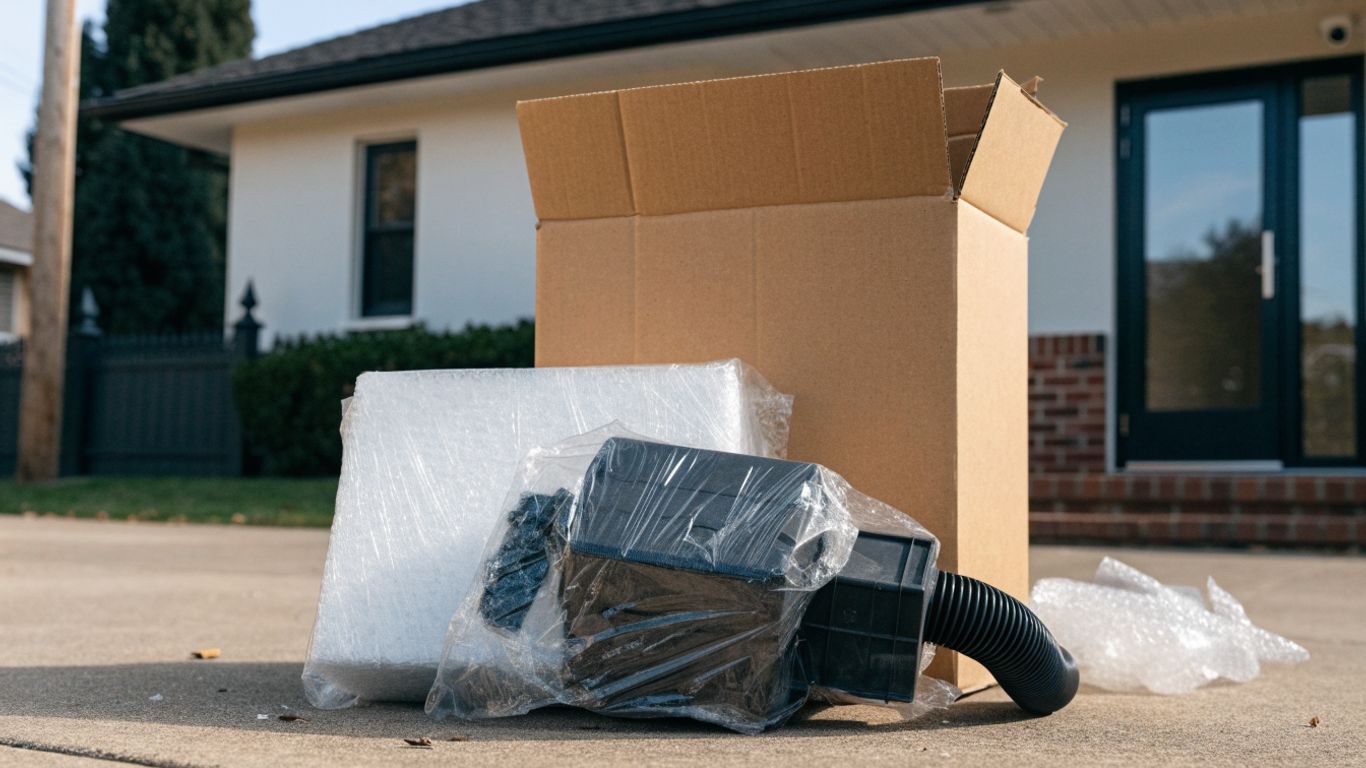
Inspect the package for damage or missing items
When the parcel arrives, check the outer packaging for damage and compare the contents with the order confirmation and product description. If something is missing or appears damaged, take photographs before discarding the packaging and contact the seller promptly. A clear record of the parcel’s condition can make it easier to explain the issue.
Handle fitment, returns, and warranty concerns
Take a moment to check the part before installation, even if the order appeared straightforward. A mismatch is easier to address while the item is still in the condition required by the seller’s return terms. Keep your documents and ask for guidance when a concern involves safe operation or unclear warranty coverage.
Confirm the part matches before installation
Compare the received part number and physical features with the information you verified before ordering. Check connectors, mounting points, and included components without altering or fitting the item. If anything differs, pause and contact the seller before proceeding; Toyota Genuine Parts are described as designed to integrate with Toyota, but the specific part still needs to match your vehicle.
Check return conditions for opened or installed parts
Policies may treat unopened, opened, and installed items differently. Review the conditions that apply to your purchase and contact the seller before returning or attempting installation if the part seems incorrect. Ask what steps to follow and keep a record of the instructions so the return process is clear.
Keep receipts and packaging in case of a claim
Store the receipt, order number, product details, and seller correspondence together. Keep the packaging until you are satisfied that the part is correct and there is no issue requiring a return or warranty inquiry. If you do need to make a claim, these records can help you describe the purchase and the problem accurately.
Ask a qualified technician to install safety-critical components
If a component affects braking, steering, restraint systems, or another safety-critical function, have a qualified technician assess and install it. A professional can also flag a fitment concern before the component is put into service. When you are unsure whether a part is safe to install, do not rely on appearance alone; seek qualified advice first.
Conclusion
To buy toyota genuine parts online Australia with fewer surprises, verify the vehicle and part details, assess the seller’s terms, and compare the full delivered cost before ordering. Save your records, check the item on arrival, and get professional help when fitment or safety is uncertain.